
Before Memmo my notes were scattered across PDFs. Now a workspace pulls everything into one place — I see exactly what's still left to study.
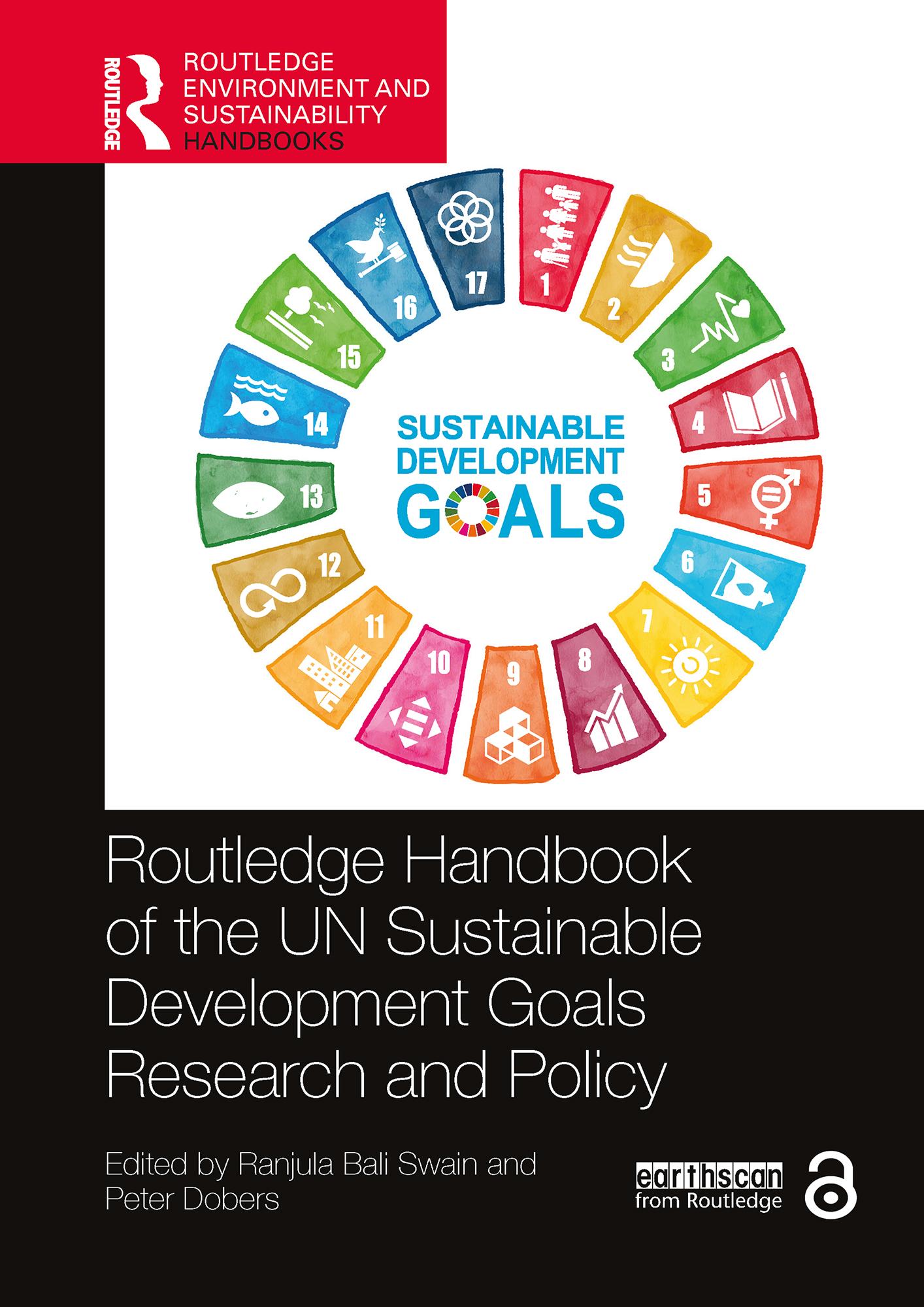
This handbook brings together a collection of seminal research on the Sustainable Development Goals (SDGs) and investigates the effectiveness of the 17 goals for achieving transformative change toward sustainable development.
As a collection of inter- and transdisciplinary research from around the world, this volume explores the applications, implications, and best practices of the goals at thematic, regional, and national levels, providing specific examples from a diverse range of places, such as Australia, Brazil, China, DRC, India, Italy, the Sahel region of Africa, and the USA, among others. The book serves as a mid-term evaluation of the SDGs, bringing to the fore comprehensive experiences and evidence related to the SDGs, whilst highlighting the interlinkages between the different goals. The handbook is divided into two parts: Part I brings together groundbreaking research to define, identify, and present conceptual frameworks for a sustainable future, whilst Part II focuses on the policies, practices, and implementation of the SDGs. The chapters identify key aspects missing from the 2030 Agenda, such as global power imbalances, cultural diversity, Indigenous rights, and unsustainable levels of consumption; they also critically evaluate the overall delivery and effectiveness of the SDGs whilst outlining potential future directions for the post-SDG 2030 Agenda.
This handbook is aimed at a diverse and global audience of academics and students of economics, business studies, political science, and development studies. It will also serve as a valuable reference for leaders in the industry, the public sector, civil society, and international policymakers keen to gain a better understanding of the SDGs.
Chapter 1,9,11 and 30 of this book is freely available as a downloadable Open Access PDF at http://www.taylorfrancis.com under a Creative Commons [Attribution-Non Commercial-No Derivatives (CC-BY-NC-ND)] 4.0 International license.
Before Memmo my notes were scattered across PDFs. Now a workspace pulls everything into one place — I see exactly what's still left to study.
Memmo's summaries are gold before exams. I don't have to re-read 800 pages two weeks before — just the important parts.
The AI chat has saved me the night before an exam more than once. I just keep asking until I get it — no waiting on a study group to reply.
The quizzes hit exactly what I need to know. Memmo tracks what I get stuck on — so I only practice what's worth it.
Flashcards with spaced repetition are magic. Memmo knows when I'm about to forget something and brings it back.
The AI podcasts are my favorite. I listen on my way to school and get a recap without sitting at a computer.

Handbok i kvalitativa metoder
281 kr

Hållbar utveckling: en introduktion för ingenjörer och andra problemlösare
334 kr

Brymans Samhällsvetenskapliga metoder
390 kr

Projektledning
491 kr

Den orättvisa hälsan: om socioekonomiska skillnader i hälsa och livslängd
326 kr

Vetenskapsteori för nybörjare
196 kr

Organizational Leadership
429 kr

På väg mot läraryrket
172 kr

Det sociala livet i skolan: Socialpsykologiska perspektiv
253 kr

Betygsättningens didaktik
151 kr

Personality
402 kr

Studying Leadership
404 kr

Managing Innovation
477 kr

Introduktion till samhällsvetenskaplig metod
347 kr

The Psychology of Sex and Gender
698 kr

Evidens och kunskap för socialt arbete
207 kr

Introduction to Leadership
605 kr