
Before Memmo my notes were scattered across PDFs. Now a workspace pulls everything into one place — I see exactly what's still left to study.
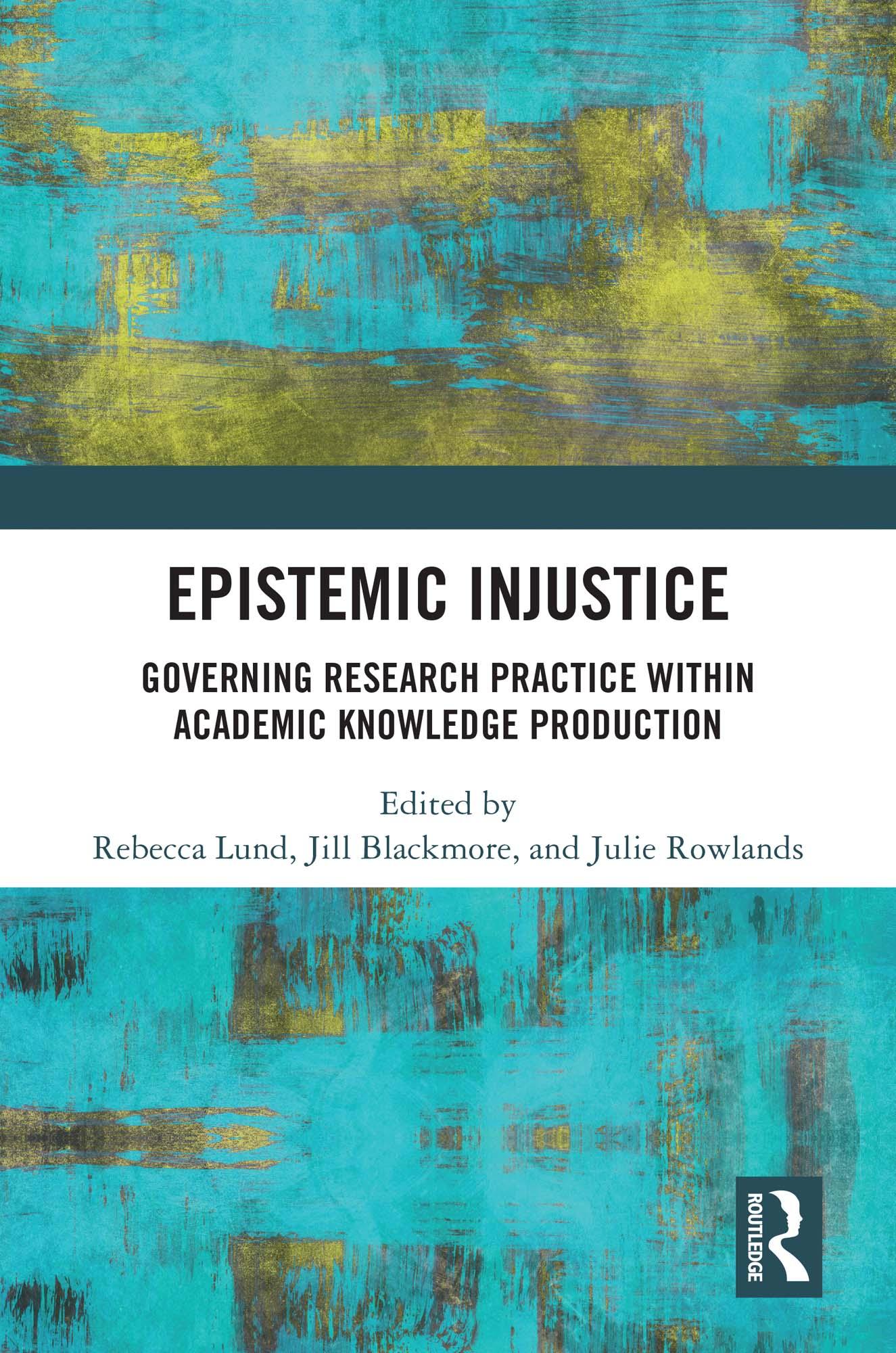
This book illustrates how feminist knowledge and postcolonial knowledge are marginalized in universities due to policies, organizational structures, and knowledge hierarchies that privilege metrics as measures of success and narrow views of science and research.
The changing relationship between the state and knowledge production is a critical issue for universities and governments when disinformation is creating a crisis in expertise and trust in democratic institutions. Yet academic autonomy is being undermined by processes of corporatization of the university: managerialism, marketisation, technologization and privatization. Epistemic injustice occurs when particular knowledges are privileged due to policy priorities, metrics and organizational practices as these are underpinned by unequal power relations that inform who does what research and with whom. In turn, injustice occurs when knowledge is evaluated primarily on the basis of its usefulness. The chapters in this book illustrate the epistemic implications of changing institutional and organizational conditions produced by narrow conceptions of ‘knowledge’ and ‘good science’ and relations between them. It explores these arrangements at the level of colonial and geopolitical relations, and their effects in terms of institutional processes, practices, and agency. The text shows how a lack of epistemic diversity reinforces structural and cultural racial and gender injustices arising from colonialism, patriarchy, and dominant views of science.
This volume will appeal to policy makers and researchers in higher education reform and scholars interested in changing academic practices from feminist and postcolonial perspectives. It was originally published as a special issue of Critical Studies in Education.
Before Memmo my notes were scattered across PDFs. Now a workspace pulls everything into one place — I see exactly what's still left to study.
Memmo's summaries are gold before exams. I don't have to re-read 800 pages two weeks before — just the important parts.
The AI chat has saved me the night before an exam more than once. I just keep asking until I get it — no waiting on a study group to reply.
The quizzes hit exactly what I need to know. Memmo tracks what I get stuck on — so I only practice what's worth it.
Flashcards with spaced repetition are magic. Memmo knows when I'm about to forget something and brings it back.
The AI podcasts are my favorite. I listen on my way to school and get a recap without sitting at a computer.

Handbok i kvalitativa metoder
281 kr

Hållbar utveckling: en introduktion för ingenjörer och andra problemlösare
334 kr

Brymans Samhällsvetenskapliga metoder
390 kr

Projektledning
491 kr

Den orättvisa hälsan: om socioekonomiska skillnader i hälsa och livslängd
326 kr

Organizational Leadership
429 kr

Vetenskapsteori för nybörjare
196 kr

På väg mot läraryrket
172 kr

Det sociala livet i skolan: Socialpsykologiska perspektiv
253 kr

Betygsättningens didaktik
151 kr

Personality
402 kr

Studying Leadership
404 kr

Managing Innovation
477 kr

Introduktion till samhällsvetenskaplig metod
347 kr

The Psychology of Sex and Gender
698 kr

Evidens och kunskap för socialt arbete
207 kr

Introduction to Leadership
605 kr