
Before Memmo my notes were scattered across PDFs. Now a workspace pulls everything into one place — I see exactly what's still left to study.
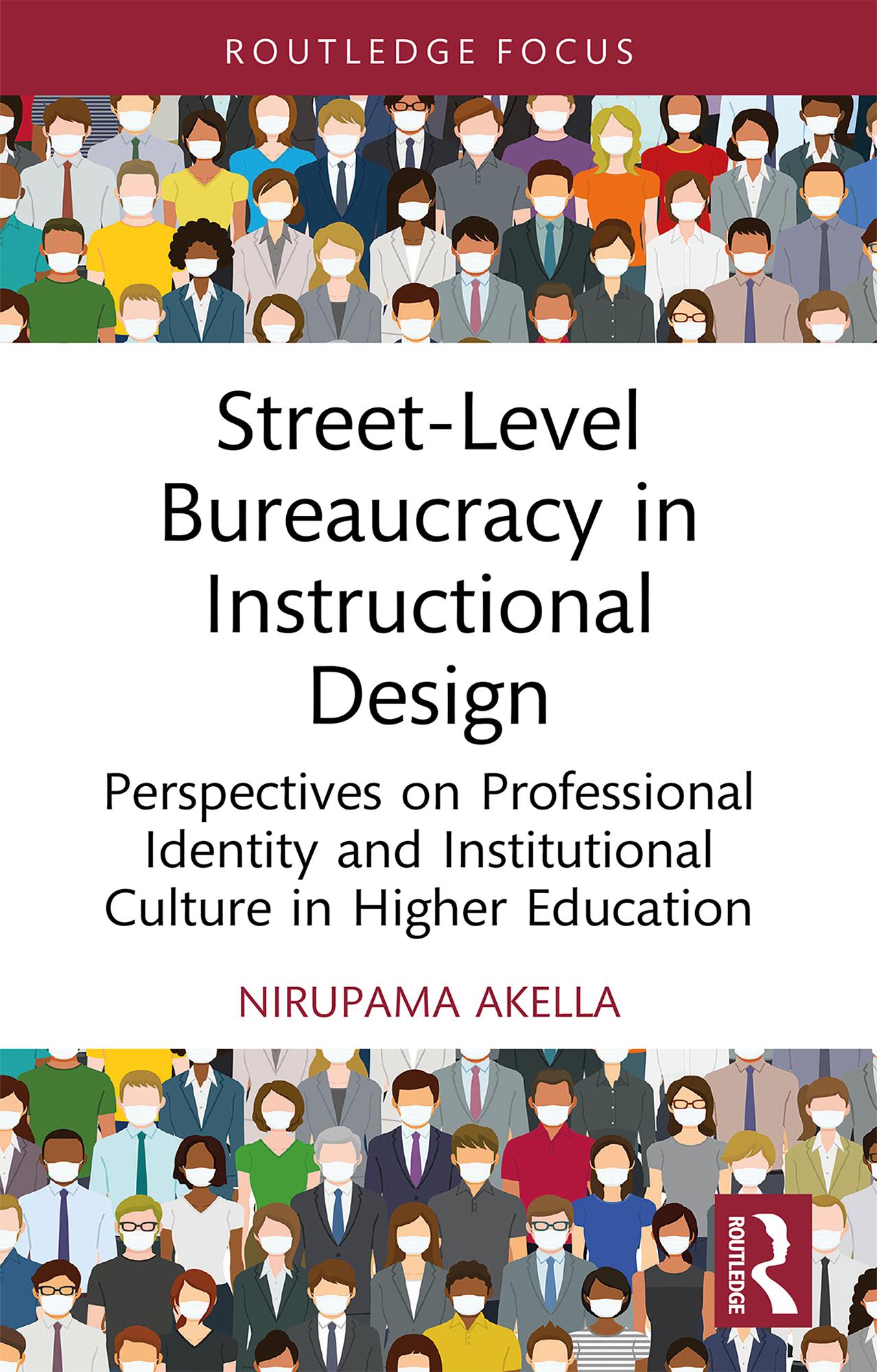
This book explores the role and function of instructional designers in higher education, highlighting the real-world discrepancy between their actual contributions to organizational growth and the official job descriptions provided by universities.
Investigating how higher education professionals navigate the daily conflict arising from this misalignment, it highlights a number of approaches including improvising to accommodate additional tasks, or strictly adhering job descriptions. The volume is structured around main three themes: the interpretation of instructional design and the role of instructional designers, the concept of street-level bureaucracy and coping strategies, and the contribution of instructional designers to organizational development. The research is grounded in the sociological and management theory of street-level bureaucracy, allowing the author to dissect employee behavior into microelements and connect these to the macro-outcomes of organizational development. The study employs a qualitative approach, using quantitative content analysis and qualitative interviewing on a sample of 17 instructional designers from three different regions in the US. The findings challenge institutional and practice assumptions, offering a new perspective of understanding which asks whether instructional designers are predominantly acting as street-level bureaucrats, or whether behavior and performance is framed by institutional culture and personal characteristics. The author then discusses the implications of these findings for policy, practice, theory, and future research.
It will be of interest to academicians, post-graduate students, and higher education leadership professionals from fields across education, management, instructional design, sociology, and research methods.
Before Memmo my notes were scattered across PDFs. Now a workspace pulls everything into one place — I see exactly what's still left to study.
Memmo's summaries are gold before exams. I don't have to re-read 800 pages two weeks before — just the important parts.
The AI chat has saved me the night before an exam more than once. I just keep asking until I get it — no waiting on a study group to reply.
The quizzes hit exactly what I need to know. Memmo tracks what I get stuck on — so I only practice what's worth it.
Flashcards with spaced repetition are magic. Memmo knows when I'm about to forget something and brings it back.
The AI podcasts are my favorite. I listen on my way to school and get a recap without sitting at a computer.

Handbok i kvalitativa metoder
281 kr

Hållbar utveckling: en introduktion för ingenjörer och andra problemlösare
334 kr

Brymans Samhällsvetenskapliga metoder
390 kr

Projektledning
491 kr

Den orättvisa hälsan: om socioekonomiska skillnader i hälsa och livslängd
326 kr

Vetenskapsteori för nybörjare
196 kr

Organizational Leadership
429 kr

På väg mot läraryrket
172 kr

Det sociala livet i skolan: Socialpsykologiska perspektiv
253 kr

Betygsättningens didaktik
151 kr

Personality
402 kr

Studying Leadership
404 kr

Managing Innovation
477 kr

Introduktion till samhällsvetenskaplig metod
347 kr

The Psychology of Sex and Gender
698 kr

Evidens och kunskap för socialt arbete
207 kr

Introduction to Leadership
605 kr