
Before Memmo my notes were scattered across PDFs. Now a workspace pulls everything into one place — I see exactly what's still left to study.
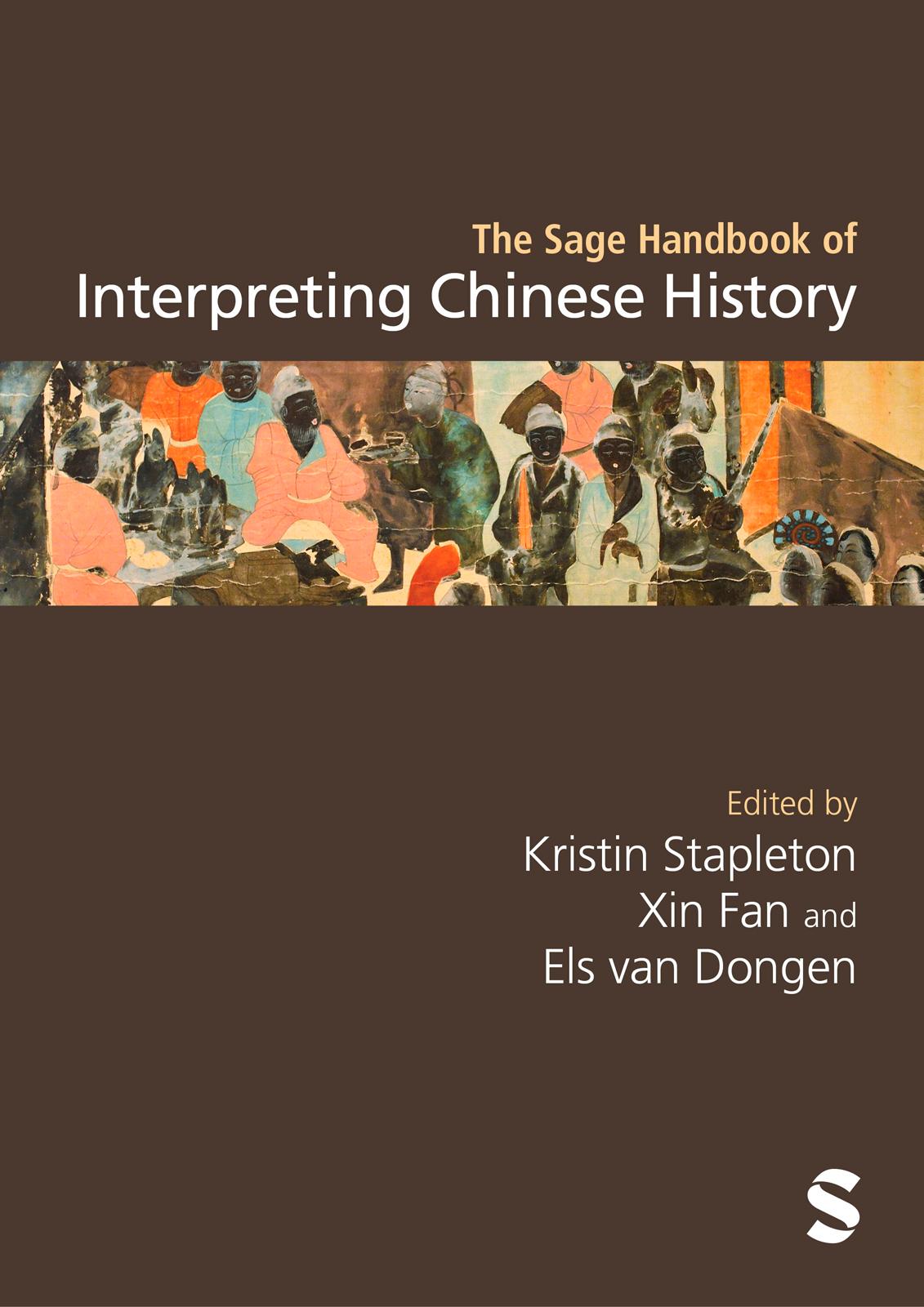
The Sage Handbook of Interpreting Chinese History offers an in-depth exploration of the evolution of historical narratives in China over the past century. Bringing together some of the world’s leading scholars, this handbook provides both depth and breadth to our understanding of how Chinese leaders, intellectuals, and the public conceive of their place in the world. It examines the dramatic shifts in historical interpretation, documenting both the creative use and disastrous abuse of the Chinese past.
China′s growing global influence has led to increased interest in its historical perspectives. Understanding contemporary Chinese conceptions of international politics and intercultural relations requires a deep dive into how history is interpreted and taught in China. This handbook aims to "look under the hood" at the motivations and methods behind historical storytelling, the role of historical knowledge in social and political stability, and the deployment of key terms and images in politics and social life.
The handbook is organized into several key sections. The first section provides an overview of key ideas such as the "tributary system" and constitutionalism, alongside critical analyses of intellectual history and Sino-foreign relations. The subsequent sections delve into how history was written and historical narratives disseminated and deployed in four different eras of modern Chinese history: the late-Qing period, the Republican era, the Maoist era, and the Reform era. Each era is examined through the lens of official and popular history, exploring the relationship between history and memory. The final section introduces perspectives on historical narratives from Chinese border regions, as well as Sinophone narratives produced outside the PRC state system, highlighting the diversity of views on Chinese history.
The Sage Handbook of Interpreting Chinese History is an essential resource for scholars, practitioners, and students seeking to understand the complexities of historical interpretation in modern China. It provides a comprehensive and nuanced exploration of the field, equipping readers to engage with the theoretical and practical aspects of Chinese historical narratives.
Part I: Overviews and Framing Chapters
Part II: History in the Late-Qing Era
Part III: History in the Republican Era
Part IV: History in the Maoist Era
Part V: History in the Reform Era
Part VI: Border Histories
Before Memmo my notes were scattered across PDFs. Now a workspace pulls everything into one place — I see exactly what's still left to study.
Memmo's summaries are gold before exams. I don't have to re-read 800 pages two weeks before — just the important parts.
The AI chat has saved me the night before an exam more than once. I just keep asking until I get it — no waiting on a study group to reply.
The quizzes hit exactly what I need to know. Memmo tracks what I get stuck on — so I only practice what's worth it.
Flashcards with spaced repetition are magic. Memmo knows when I'm about to forget something and brings it back.
The AI podcasts are my favorite. I listen on my way to school and get a recap without sitting at a computer.

Handbok i kvalitativa metoder
281 kr

Hållbar utveckling: en introduktion för ingenjörer och andra problemlösare
334 kr

Brymans Samhällsvetenskapliga metoder
390 kr

Projektledning
491 kr

Den orättvisa hälsan: om socioekonomiska skillnader i hälsa och livslängd
326 kr

Vetenskapsteori för nybörjare
196 kr

Organizational Leadership
429 kr

På väg mot läraryrket
172 kr

Det sociala livet i skolan: Socialpsykologiska perspektiv
253 kr

Betygsättningens didaktik
151 kr

Personality
402 kr

Studying Leadership
404 kr

Managing Innovation
477 kr

Introduktion till samhällsvetenskaplig metod
347 kr

The Psychology of Sex and Gender
698 kr

Evidens och kunskap för socialt arbete
207 kr

Introduction to Leadership
605 kr