
Before Memmo my notes were scattered across PDFs. Now a workspace pulls everything into one place — I see exactly what's still left to study.
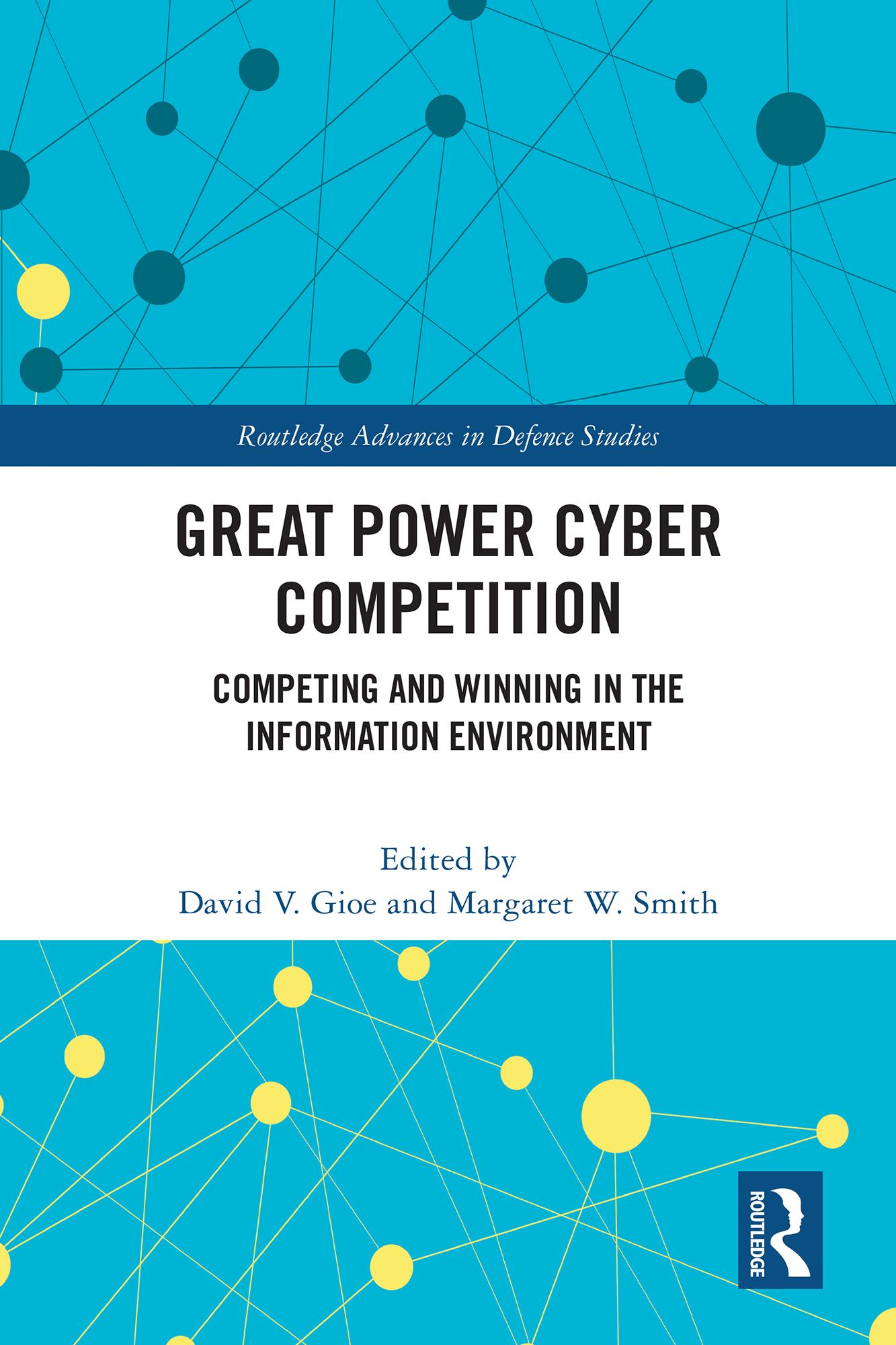
This volume conceptualizes the threats, challenges, opportunities, and boundaries of great power cyber competition of the 21st century.
This book focuses on a key dimension of contemporary great power competition that is often less understood due to its intangible character: the competition taking place in the cyber domain, including information and cyber operations. Democracies across the globe find themselves in an unrelenting competition with peer and near-peer competitors, with a prevailing notion that no state is "safe" from the informational contest. Adversarial powers, particularly China and Russia, recognize that most competition is principally non-kinetic but dominates the information environment and cyberspace, and the volume articulates the Russian and Chinese strategies to elevate cyber and information competition to a central position. Western governments and, in particular, the U.S. government have long conceived of a war–peace duality, but that perspective is giving way to a more nuanced perception of competition. This volume goes beyond analyzing the problems prevalent in the information space and offers a roadmap for Western powers to compete in and protect the global information environment from malicious actors. Its genesis is rooted in the proposition that it is time for the West to push back against aggression and that it needs a relevant framework and tools to do so. The book demonstrates that Western democratic states currently lack both the strategic and intellectual acumen to compete and win in the information and cyber domains, and argues that the West needs a strategy to compete with near-peer powers in information and cyber warfare.
This book will be of much interest to students of cyber-warfare, information warfare, defense studies, and international relations in general, as well as practitioners.
Before Memmo my notes were scattered across PDFs. Now a workspace pulls everything into one place — I see exactly what's still left to study.
Memmo's summaries are gold before exams. I don't have to re-read 800 pages two weeks before — just the important parts.
The AI chat has saved me the night before an exam more than once. I just keep asking until I get it — no waiting on a study group to reply.
The quizzes hit exactly what I need to know. Memmo tracks what I get stuck on — so I only practice what's worth it.
Flashcards with spaced repetition are magic. Memmo knows when I'm about to forget something and brings it back.
The AI podcasts are my favorite. I listen on my way to school and get a recap without sitting at a computer.

Handbok i kvalitativa metoder
281 kr

Hållbar utveckling: en introduktion för ingenjörer och andra problemlösare
334 kr

Brymans Samhällsvetenskapliga metoder
390 kr

Projektledning
491 kr

Den orättvisa hälsan: om socioekonomiska skillnader i hälsa och livslängd
326 kr

Organizational Leadership
429 kr

Vetenskapsteori för nybörjare
196 kr

På väg mot läraryrket
172 kr

Det sociala livet i skolan: Socialpsykologiska perspektiv
253 kr

Betygsättningens didaktik
151 kr

Personality
402 kr

Studying Leadership
404 kr

Managing Innovation
477 kr

Introduktion till samhällsvetenskaplig metod
347 kr

The Psychology of Sex and Gender
698 kr

Evidens och kunskap för socialt arbete
207 kr

Introduction to Leadership
605 kr