
Before Memmo my notes were scattered across PDFs. Now a workspace pulls everything into one place — I see exactly what's still left to study.
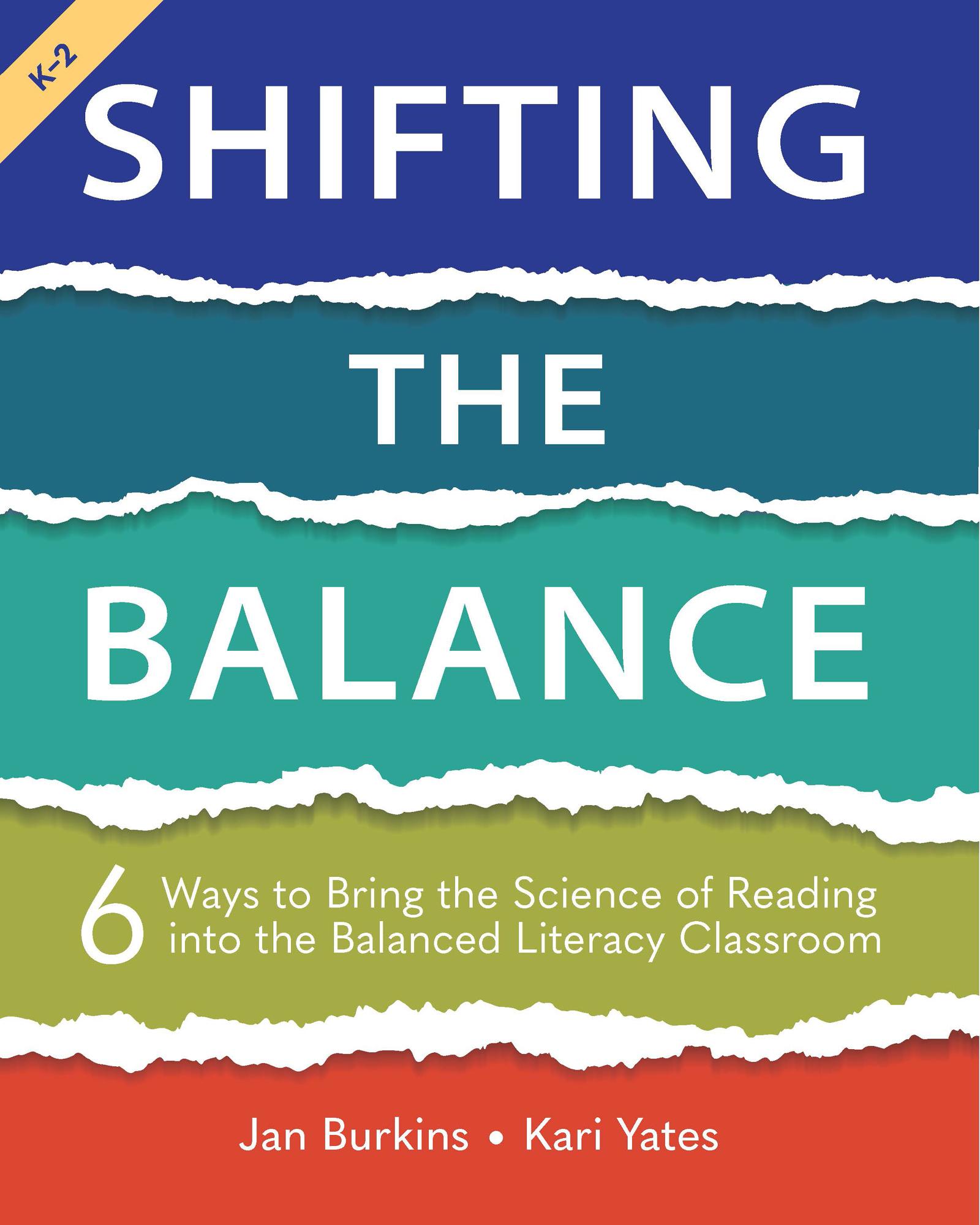
The current emphasis on the body of research known as the "Science of Reading" has renewed the reading wars and raised challenging questions for balanced literacy teachers about the best way to teach reading. Instead of fueling the debate, Dr. Jan Burkins and Kari Yates immersed themselves in the research and produced Shifting the Balance, Grades K-2: 6 Ways to Bring the Science of Reading into the Balanced Literacy Classroom.
This best-selling guide is concise and practical, integrating effective reading strategies from each perspective. Every chapter of Shifting the Balance, Grades K-2 focuses on one of the six simple and scientifically sound shifts reading teachers can make to strengthen their approach to early reading instruction in these areas:
Practical Instruction for Primary Grades: Whether your students are just learning to read or building more advanced reading comprehensive skills, Shifting the Balance, K-2 is designed to help teachers meet the instructional needs of K-2 students.
Six Manageable Shifts: Each chapter focuses on a key shift that helps educators understand common misconceptions and adjust their thinking around some common instructional practices that teachers have been using for decades.
Evidence-Based Instruction: Burkins and Yates offer busy educators a blueprint for integrating finding from brain research, cognitive science, and child development into their daily instruction, while keeping meaningful experiences with books a priority.
Classroom Applications: Shifting the Balance, K-2 is full of sample activities and classroom vignettes that paint a picture of what these shifts look like in action with roomful of learners.
The book has already helped countless educators by taking the guesswork out of how to blend best practices with the latest research while keeping students at the forefront of reading instruction. We've written this book to support you in making sound decisions anchored in the best of science, the truth of responsiveness, and a relentless focus on providing all children learning experiences saturated with meaning, the authors write.
Before Memmo my notes were scattered across PDFs. Now a workspace pulls everything into one place — I see exactly what's still left to study.
Memmo's summaries are gold before exams. I don't have to re-read 800 pages two weeks before — just the important parts.
The AI chat has saved me the night before an exam more than once. I just keep asking until I get it — no waiting on a study group to reply.
The quizzes hit exactly what I need to know. Memmo tracks what I get stuck on — so I only practice what's worth it.
Flashcards with spaced repetition are magic. Memmo knows when I'm about to forget something and brings it back.
The AI podcasts are my favorite. I listen on my way to school and get a recap without sitting at a computer.

Handbok i kvalitativa metoder
281 kr

Hållbar utveckling: en introduktion för ingenjörer och andra problemlösare
334 kr

Brymans Samhällsvetenskapliga metoder
390 kr

Projektledning
491 kr

Den orättvisa hälsan: om socioekonomiska skillnader i hälsa och livslängd
326 kr

Vetenskapsteori för nybörjare
196 kr

Organizational Leadership
429 kr

På väg mot läraryrket
172 kr

Det sociala livet i skolan: Socialpsykologiska perspektiv
253 kr

Betygsättningens didaktik
151 kr

Personality
402 kr

Studying Leadership
404 kr

Managing Innovation
477 kr

Introduktion till samhällsvetenskaplig metod
347 kr

The Psychology of Sex and Gender
698 kr

Evidens och kunskap för socialt arbete
207 kr

Introduction to Leadership
605 kr