
Before Memmo my notes were scattered across PDFs. Now a workspace pulls everything into one place — I see exactly what's still left to study.
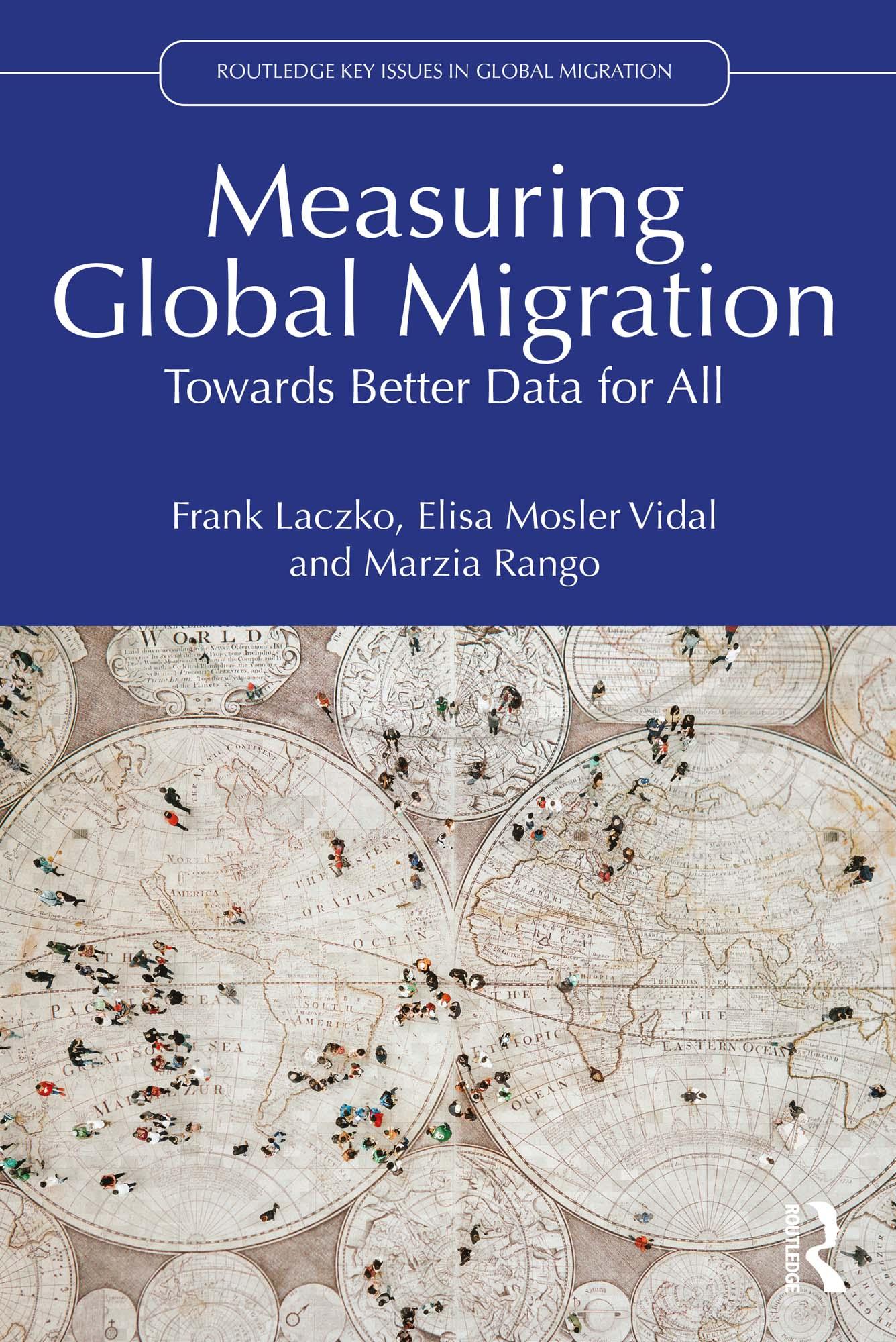
This book focuses on how to improve the collection, analysis and responsible use of data on global migration and international mobility. While migration remains a topic of great policy interest for governments around the world, there is a serious lack of reliable, timely, disaggregated and comparable data on it, and often insufficient safeguards to protect migrants’ information. Meanwhile, vast amounts of data about the movement of people are being generated in real time due to new technologies, but these have not yet been fully captured and utilized by migration policymakers, who often do not have enough data to inform their policies and programmes. The lack of migration data has been internationally recognized; the Global Compact for Safe, Orderly and Regular Migration urges all countries to improve data on migration to ensure that policies and programmes are “evidence-based”, but does not spell out how this could be done.
This book examines both the technical issues associated with improving data on migration and the wider political challenges of how countries manage the collection and use of migration data. The first part of the book discusses how much we really know about international migration based on existing data, and key concepts and approaches which are often used to measure migration. The second part of the book examines what measures could be taken to improve migration data, highlighting examples of good practice from around the world in recent years, across a range of different policy areas, such as health, climate change and sustainable development more broadly.
Written by leading experts on international migration data, this book is the perfect guide for students, policymakers and practitioners looking to understand more about the existing evidence base on migration and what can be done to improve it.
Before Memmo my notes were scattered across PDFs. Now a workspace pulls everything into one place — I see exactly what's still left to study.
Memmo's summaries are gold before exams. I don't have to re-read 800 pages two weeks before — just the important parts.
The AI chat has saved me the night before an exam more than once. I just keep asking until I get it — no waiting on a study group to reply.
The quizzes hit exactly what I need to know. Memmo tracks what I get stuck on — so I only practice what's worth it.
Flashcards with spaced repetition are magic. Memmo knows when I'm about to forget something and brings it back.
The AI podcasts are my favorite. I listen on my way to school and get a recap without sitting at a computer.

Handbok i kvalitativa metoder
281 kr

Hållbar utveckling: en introduktion för ingenjörer och andra problemlösare
334 kr

Brymans Samhällsvetenskapliga metoder
390 kr

Projektledning
491 kr

Den orättvisa hälsan: om socioekonomiska skillnader i hälsa och livslängd
326 kr

Vetenskapsteori för nybörjare
196 kr

Organizational Leadership
429 kr

På väg mot läraryrket
172 kr

Det sociala livet i skolan: Socialpsykologiska perspektiv
253 kr

Betygsättningens didaktik
151 kr

Personality
402 kr

Studying Leadership
404 kr

Managing Innovation
477 kr

Introduktion till samhällsvetenskaplig metod
347 kr

The Psychology of Sex and Gender
698 kr

Evidens och kunskap för socialt arbete
207 kr

Introduction to Leadership
605 kr