
Before Memmo my notes were scattered across PDFs. Now a workspace pulls everything into one place — I see exactly what's still left to study.
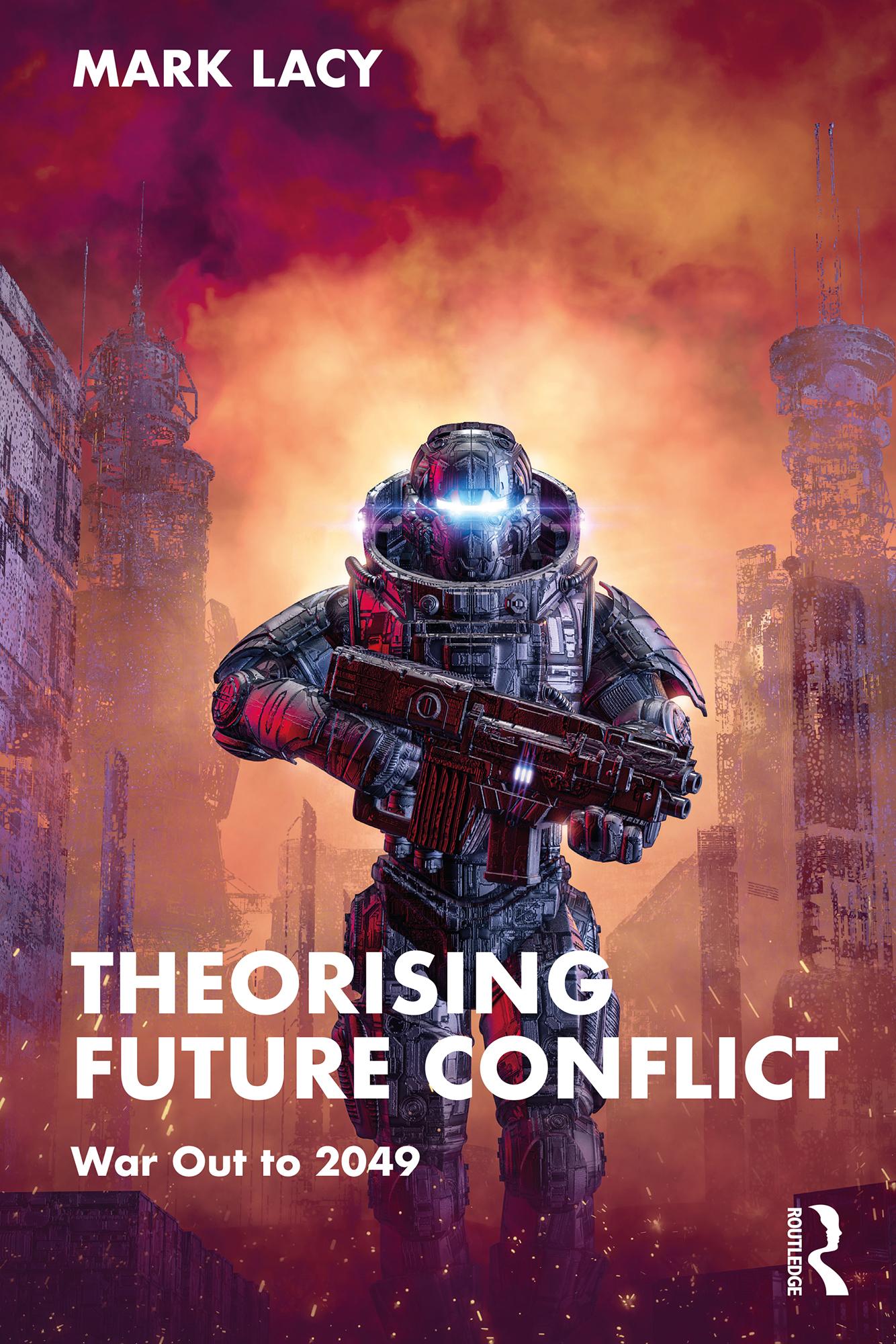
This book explores the changing tactics, technologies and terrains of twenty-first century war.
It argues that the world in 2049 is unlikely to look like the climate change/artificial intelligence (AI) dystopia depicted in Blade Runner 2049, but nor will it be a world where conflict and war has been transformed by a ‘civilising process’ that eradicates violence and conflict from the human condition. 2049 is also the year that the US Department of Defense has suggested China will become a world-shaping military power. All states will be engaged in ‘arms races’ across a variety of new tools and technologies—from drones, robotics, AI and quantum computing—that will transform politics, economy, society and war.
Drawing on thinkers such as Zygmunt Bauman and Paul Virilio, the book suggests that future war will be shaped by three broad tendencies that include a broad range of tactics, technologies and trends; the impure, the granular and the machinic. Through discussions of cybersecurity, urban war, robotics, AI, climate change, science fiction and new strategic concepts, it examines how these tendencies might evolve in the different geopolitical futures and types of war ahead of us. The book provides a thought-provoking and distinctive framework through which to think about the changing character of war. It concludes that for all the novel and dangerous challenges ahead, the futuristic possibilities of warfare will likely continue to be shaped by problems familiar to students of international relations and the history of war—albeit problems that will play out in geopolitical and technological contexts that we have never encountered before.
This book will be of much interest to students of critical war studies, security studies, science and technology studies, and International Relations in general.
Before Memmo my notes were scattered across PDFs. Now a workspace pulls everything into one place — I see exactly what's still left to study.
Memmo's summaries are gold before exams. I don't have to re-read 800 pages two weeks before — just the important parts.
The AI chat has saved me the night before an exam more than once. I just keep asking until I get it — no waiting on a study group to reply.
The quizzes hit exactly what I need to know. Memmo tracks what I get stuck on — so I only practice what's worth it.
Flashcards with spaced repetition are magic. Memmo knows when I'm about to forget something and brings it back.
The AI podcasts are my favorite. I listen on my way to school and get a recap without sitting at a computer.

Handbok i kvalitativa metoder
281 kr

Hållbar utveckling: en introduktion för ingenjörer och andra problemlösare
334 kr

Brymans Samhällsvetenskapliga metoder
390 kr

Projektledning
491 kr

Den orättvisa hälsan: om socioekonomiska skillnader i hälsa och livslängd
326 kr

Organizational Leadership
429 kr

Vetenskapsteori för nybörjare
196 kr

På väg mot läraryrket
172 kr

Det sociala livet i skolan: Socialpsykologiska perspektiv
253 kr

Betygsättningens didaktik
151 kr

Personality
402 kr

Studying Leadership
404 kr

Managing Innovation
477 kr

Introduktion till samhällsvetenskaplig metod
347 kr

The Psychology of Sex and Gender
698 kr

Evidens och kunskap för socialt arbete
207 kr

Introduction to Leadership
605 kr