
Before Memmo my notes were scattered across PDFs. Now a workspace pulls everything into one place — I see exactly what's still left to study.
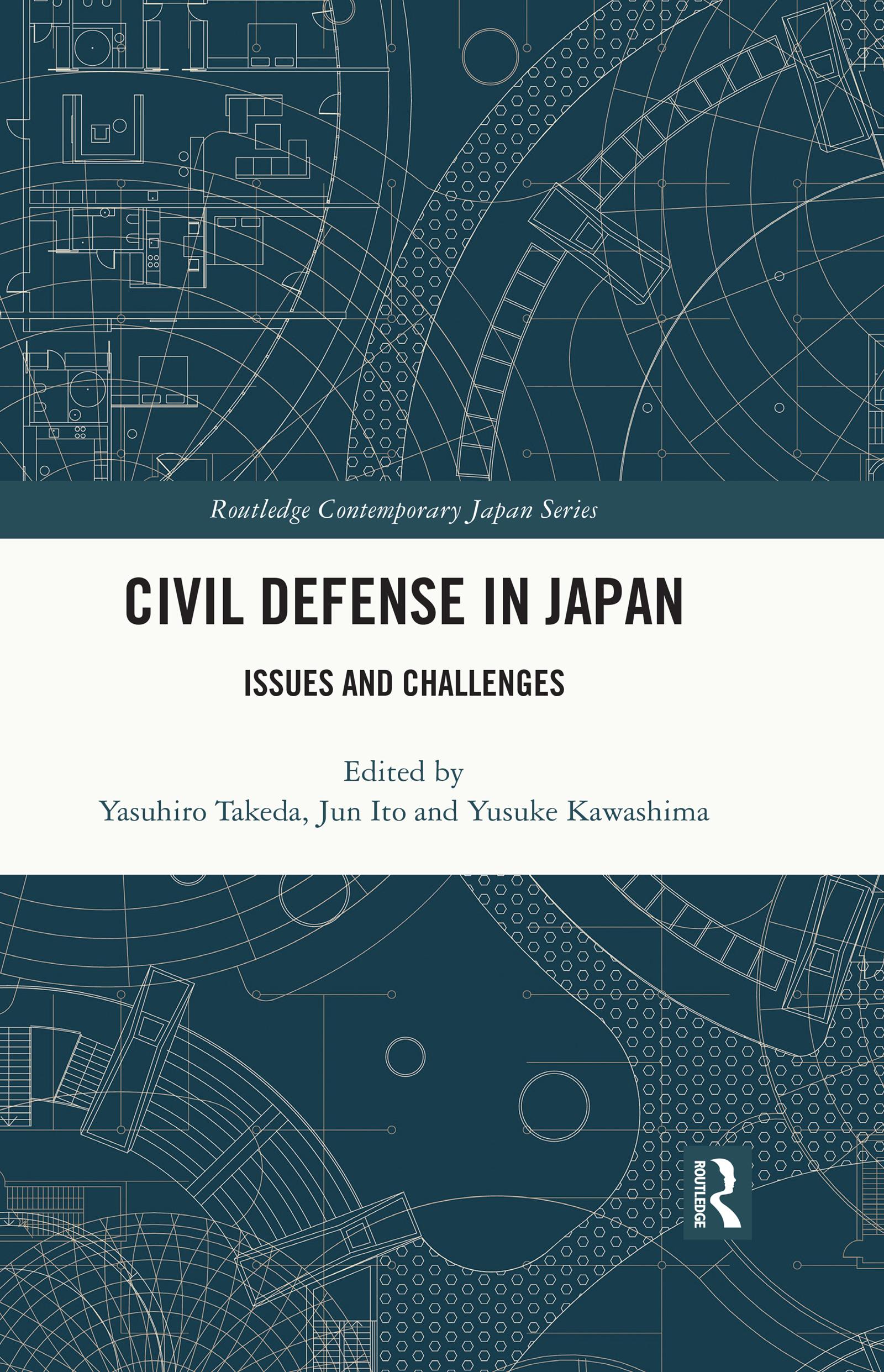
In 2004, Japan instituted a system to protect citizens against military attacks and terrorism for the first time after World War II. Faced with the Tokyo subway attack (1995), the 9/11 terrorist attacks (2001), and the changing security environment in East Asia, the Japanese government was forced to implement the most extensive reform of its domestic crisis management ["kiki-kanri"] system in the postwar era.
Japan’s civil defense system is now called civil protection ["kokumin-hogo"]. Two world wars in the 20th century led to the development of national institutions based on civil defense in Western democratic countries (including the United States and Canada). As times have changed, most countries have adopted a comprehensive crisis (or emergency) management system, integrating civil defense and disaster management (against natural and technological hazards). However, Japan continues to take a different path. Why has a comprehensive crisis management system yet to be formed? How do complex and fragmented institutions work? This book examines the institutions and policies of civil protection (i.e., Japan's civil defense) and further analyzes their effectiveness and issues. Furthermore, it also examines the trade-offs resulting from the coexistence of two independent institutions: civil protection and natural disaster management.
A valuable read for scholars of Japan’s public administration and security/ defense policy, as well as for those researching and comparing disaster-preparedness across countries.
Before Memmo my notes were scattered across PDFs. Now a workspace pulls everything into one place — I see exactly what's still left to study.
Memmo's summaries are gold before exams. I don't have to re-read 800 pages two weeks before — just the important parts.
The AI chat has saved me the night before an exam more than once. I just keep asking until I get it — no waiting on a study group to reply.
The quizzes hit exactly what I need to know. Memmo tracks what I get stuck on — so I only practice what's worth it.
Flashcards with spaced repetition are magic. Memmo knows when I'm about to forget something and brings it back.
The AI podcasts are my favorite. I listen on my way to school and get a recap without sitting at a computer.

Handbok i kvalitativa metoder
281 kr

Hållbar utveckling: en introduktion för ingenjörer och andra problemlösare
334 kr

Brymans Samhällsvetenskapliga metoder
390 kr

Projektledning
491 kr

Den orättvisa hälsan: om socioekonomiska skillnader i hälsa och livslängd
326 kr

Vetenskapsteori för nybörjare
196 kr

Organizational Leadership
429 kr

På väg mot läraryrket
172 kr

Det sociala livet i skolan: Socialpsykologiska perspektiv
253 kr

Betygsättningens didaktik
151 kr

Personality
402 kr

Studying Leadership
404 kr

Managing Innovation
477 kr

Introduktion till samhällsvetenskaplig metod
347 kr

The Psychology of Sex and Gender
698 kr

Evidens och kunskap för socialt arbete
207 kr

Introduction to Leadership
605 kr