
Before Memmo my notes were scattered across PDFs. Now a workspace pulls everything into one place — I see exactly what's still left to study.
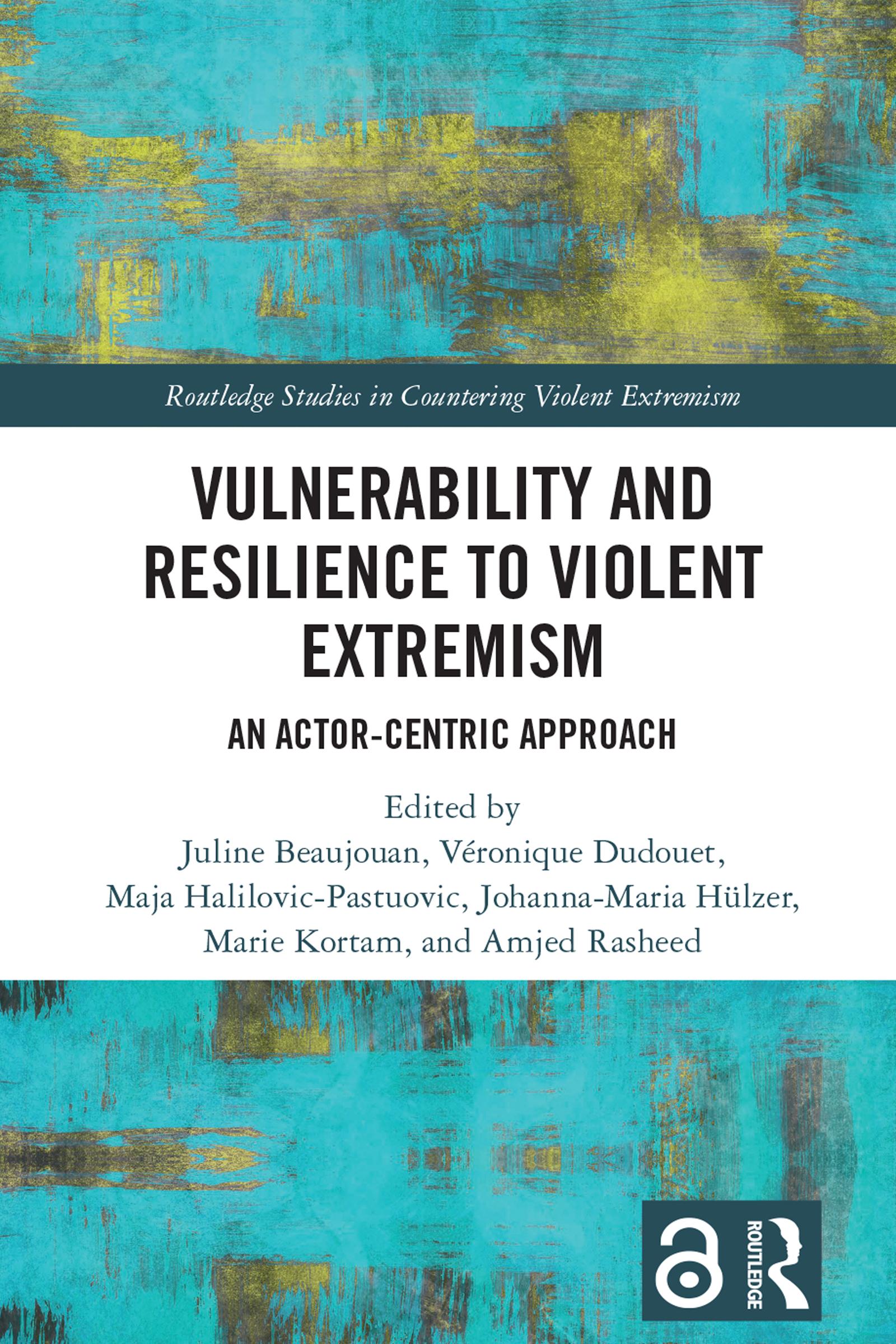
This book examines the actors that shape societal dynamics leading to, or preventing, violent extremism from taking roots in their communities, including state representatives, religious institutions, and civil society actors.
The volume contributes to an emerging stream of research focusing on intra- and inter-group dynamics to explain the emergence and persistence of, or resilience against, violent extremism. It utilises an actor-centric approach, uncovering the landscape of actors that play relevant roles in shaping societal dynamics leading to, or preventing, violent extremism affecting their communities. The analysis builds on new empirical evidence collected in Bosnia and Herzegovina, Kosovo, North Macedonia, Serbia, Iraq, Lebanon, and Tunisia. This allows for an innovative comparative perspective on two regions in the European neighbourhood that are rarely studied together, even though they seem to share common patterns of (de-)radicalisation and violent extremism despite their distinct historical, political, and cultural trajectories and relations with the EU. In both regions, the book analyses the roles of and interactions between state, political, religious, and civil society actors in shaping community vulnerability to and/or resilience against violent extremism. Different types of community leaders are equipped with varying levels of authority, trust, legitimacy, and influence over community members. As such, the categories of actors analysed can play either detrimental or beneficial roles, which makes vulnerability and resilience to violent extremism two sides of the same coin.
This volume will be of much interest to students of countering violent extremism, terrorism, political violence, security studies, and International Relations generally.
The Open Access version of this book, available at www.taylorfrancis.com, has been made available under a Creative Commons Attribution (CC-BY) 4.0 International license.
Before Memmo my notes were scattered across PDFs. Now a workspace pulls everything into one place — I see exactly what's still left to study.
Memmo's summaries are gold before exams. I don't have to re-read 800 pages two weeks before — just the important parts.
The AI chat has saved me the night before an exam more than once. I just keep asking until I get it — no waiting on a study group to reply.
The quizzes hit exactly what I need to know. Memmo tracks what I get stuck on — so I only practice what's worth it.
Flashcards with spaced repetition are magic. Memmo knows when I'm about to forget something and brings it back.
The AI podcasts are my favorite. I listen on my way to school and get a recap without sitting at a computer.

Handbok i kvalitativa metoder
281 kr

Hållbar utveckling: en introduktion för ingenjörer och andra problemlösare
334 kr

Brymans Samhällsvetenskapliga metoder
390 kr

Projektledning
491 kr

Den orättvisa hälsan: om socioekonomiska skillnader i hälsa och livslängd
326 kr

Organizational Leadership
429 kr

Vetenskapsteori för nybörjare
196 kr

På väg mot läraryrket
172 kr

Det sociala livet i skolan: Socialpsykologiska perspektiv
253 kr

Betygsättningens didaktik
151 kr

Personality
402 kr

Studying Leadership
404 kr

Managing Innovation
477 kr

Introduktion till samhällsvetenskaplig metod
347 kr

The Psychology of Sex and Gender
698 kr

Evidens och kunskap för socialt arbete
207 kr

Introduction to Leadership
605 kr