
Before Memmo my notes were scattered across PDFs. Now a workspace pulls everything into one place — I see exactly what's still left to study.
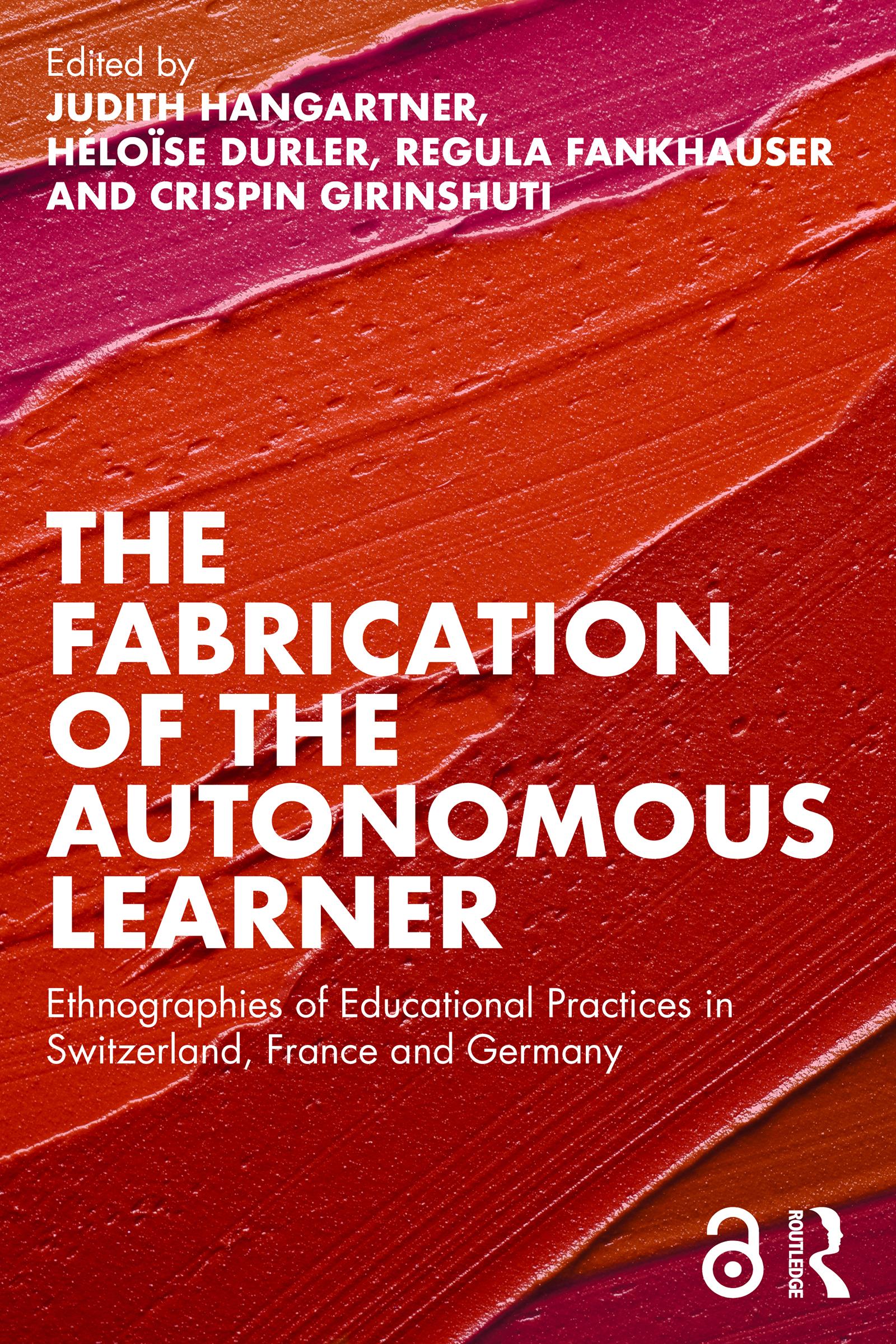
This book provides a thorough and detailed analysis of how the figure of the ‘autonomous learner’ shapes educational practices. It unpacks the impact of current educational reform discourse that focuses on the individual pupil as a learner, while neglecting the social dimensions of classroom practices. In view of the yet unknown requirements of the knowledge economy, students are demanded to take more responsibility for their learning and to become self-reliant, independent, lifelong learners. In turn, teachers are asked to tailor education to the individual needs of their students and to foster their individual learning trajectories.
Based on in-depth fieldwork and long-term observation of interactions in classrooms and other scholastic settings, scholars from three European countries – France, Germany and Switzerland – show how the translation of the figure of the ‘autonomous learner’ into classrooms is shaped by distinct cultural traditions. Chapters analyse teaching routines and conceptions of self-reliance involved in autonomy-oriented settings and discuss how these change the sociality of the classroom. They scrutinize how autonomy is used to differentiate between students and how it contributes to the reproduction of social inequality. The book brings into dialogue two neighbouring research traditions that research autonomous learning from a sociological perspective and which have largely ignored each other until now. In so doing, the contributions engage a critical perspective for a careful empirical analysis in order to better understand what is being done in the name of autonomy.
Providing insight into the many facets of developing and nurturing self-standing pupils across various educational contexts, this is ideal reading for scholars in the field of education, as well as teachers and decision-makers across the educational sector.
Before Memmo my notes were scattered across PDFs. Now a workspace pulls everything into one place — I see exactly what's still left to study.
Memmo's summaries are gold before exams. I don't have to re-read 800 pages two weeks before — just the important parts.
The AI chat has saved me the night before an exam more than once. I just keep asking until I get it — no waiting on a study group to reply.
The quizzes hit exactly what I need to know. Memmo tracks what I get stuck on — so I only practice what's worth it.
Flashcards with spaced repetition are magic. Memmo knows when I'm about to forget something and brings it back.
The AI podcasts are my favorite. I listen on my way to school and get a recap without sitting at a computer.

Handbok i kvalitativa metoder
281 kr

Hållbar utveckling: en introduktion för ingenjörer och andra problemlösare
334 kr

Brymans Samhällsvetenskapliga metoder
390 kr

Projektledning
491 kr

Den orättvisa hälsan: om socioekonomiska skillnader i hälsa och livslängd
326 kr

Organizational Leadership
429 kr

Vetenskapsteori för nybörjare
196 kr

På väg mot läraryrket
172 kr

Det sociala livet i skolan: Socialpsykologiska perspektiv
253 kr

Betygsättningens didaktik
151 kr

Personality
402 kr

Studying Leadership
404 kr

Managing Innovation
477 kr

Introduktion till samhällsvetenskaplig metod
347 kr

The Psychology of Sex and Gender
698 kr

Evidens och kunskap för socialt arbete
207 kr

Introduction to Leadership
605 kr