
Before Memmo my notes were scattered across PDFs. Now a workspace pulls everything into one place — I see exactly what's still left to study.
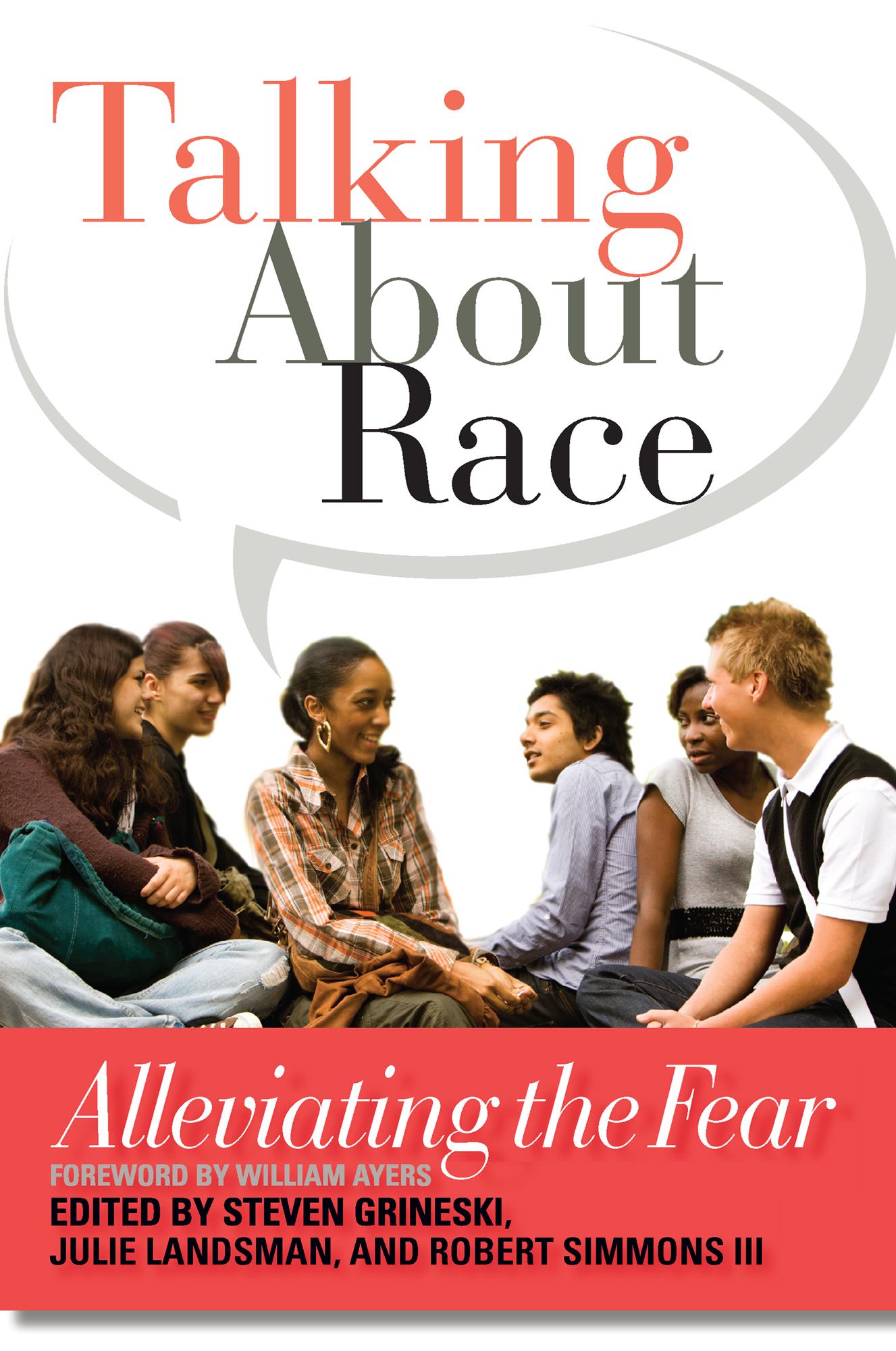
What is it that gives many of us White people a visceral fear about discussing race?Do you realize that being able to not think about or talk about it is a uniquely White experience?Do you warn your children about how people might react to them; find store staff following or watching you; get stopped by the police for no reason?The students of color in your classroom experience discrimination every day, in small and large ways. They don’t often see themselves represented in their textbooks, and encounter hostility in school, and outside. For them race is a constant reality, and an issue they need, and want, to discuss. Failure to do so can inhibit their academic performance.Failure to discuss race prevents White students from getting a real, critical and deep understanding of our society and their place in it. It is essential for the well-being of all students that they learn to have constructive conversations about the history of race in this country, the impact of racism on different ethnic communities, and how those communities and cultures contribute to society. The need to model for our students how to talk openly and comfortably about race is critical in America today, but it is still an issue that is difficult to tackle.To overcome the common fear of discussing race, of saying “something wrong”, this book brings together over thirty contributions by teachers and students of different ethnicities and races who offer their experiences, ideas, and advice. With passion and sensitivity they: cover such topics as the development of racial consciousness and identity in children; admit their failures and continuing struggles; write about creating safe spaces and the climate that promotes thoughtful discussion; model self-reflection; demonstrate the importance of giving voice to students; recount how they responded to racial incidents and used current affairs to discuss oppression; describe courses and strategies they have developed; explain the “n” word; present exercises; and pose questions. For any teacher grappling with addressing race in the classroom, and for pre-service teachers confronting their anxieties about race, this book offers a rich resource of insights, approaches and guidance that will allay fears, and provide the reflective practitioner with the confidence to initiate and respond to discussion of race, from the pre-school and elementary classroom through high school.
Before Memmo my notes were scattered across PDFs. Now a workspace pulls everything into one place — I see exactly what's still left to study.
Memmo's summaries are gold before exams. I don't have to re-read 800 pages two weeks before — just the important parts.
The AI chat has saved me the night before an exam more than once. I just keep asking until I get it — no waiting on a study group to reply.
The quizzes hit exactly what I need to know. Memmo tracks what I get stuck on — so I only practice what's worth it.
Flashcards with spaced repetition are magic. Memmo knows when I'm about to forget something and brings it back.
The AI podcasts are my favorite. I listen on my way to school and get a recap without sitting at a computer.

Handbok i kvalitativa metoder
281 kr

Hållbar utveckling: en introduktion för ingenjörer och andra problemlösare
334 kr

Brymans Samhällsvetenskapliga metoder
390 kr

Projektledning
491 kr

Den orättvisa hälsan: om socioekonomiska skillnader i hälsa och livslängd
326 kr

Organizational Leadership
429 kr

Vetenskapsteori för nybörjare
196 kr

På väg mot läraryrket
172 kr

Det sociala livet i skolan: Socialpsykologiska perspektiv
253 kr

Betygsättningens didaktik
151 kr

Personality
402 kr

Studying Leadership
404 kr

Managing Innovation
477 kr

Introduktion till samhällsvetenskaplig metod
347 kr

The Psychology of Sex and Gender
698 kr

Evidens och kunskap för socialt arbete
207 kr

Introduction to Leadership
605 kr