
Before Memmo my notes were scattered across PDFs. Now a workspace pulls everything into one place — I see exactly what's still left to study.
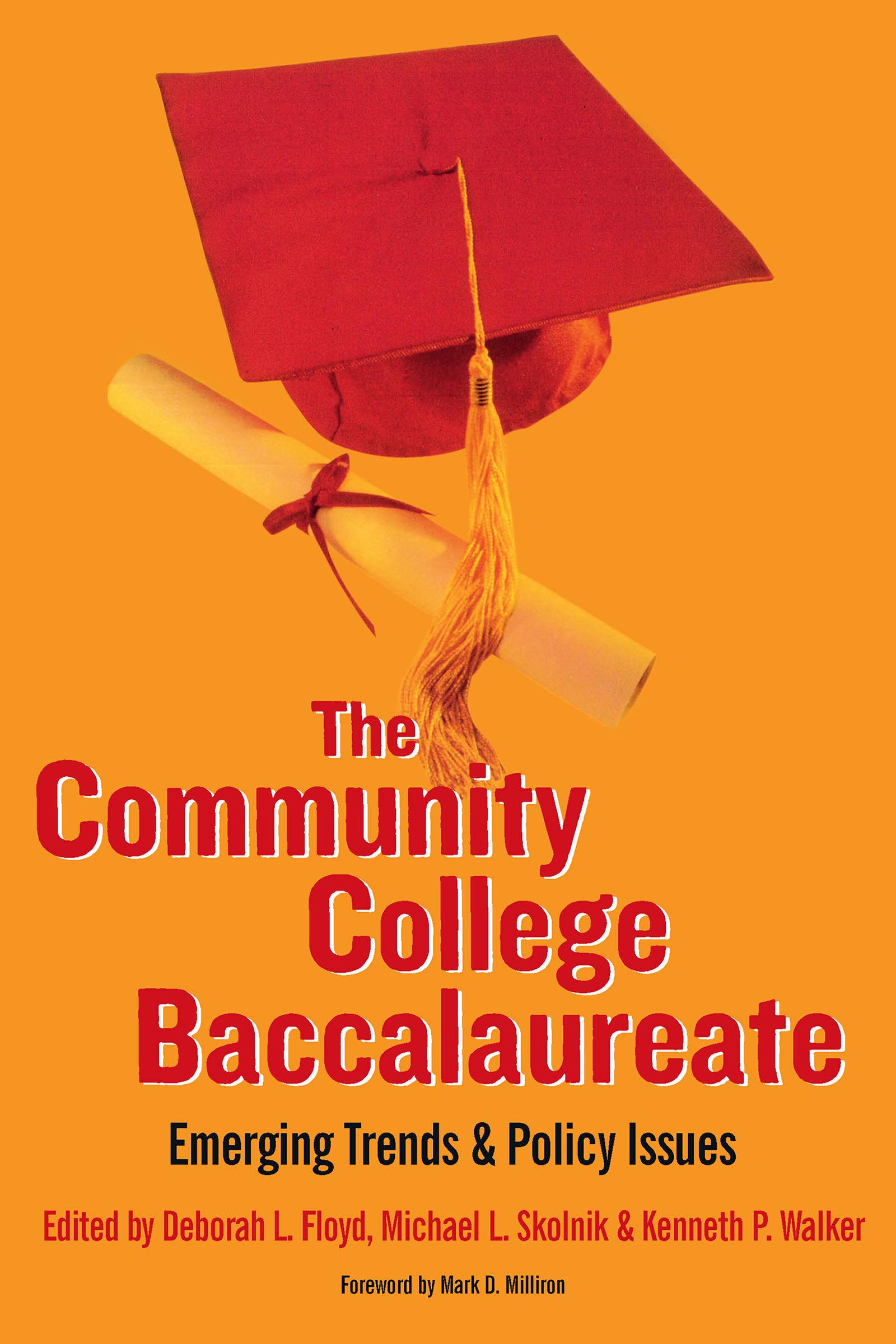
* Is the conferring of baccalaureate degrees by community colleges a solution to increasing access to and capacity in higher education?* Will the conferring of baccalaureate degrees restrict open access to, and imperil the existing mission of, community colleges?* What are the models and alternative methods of delivery? What are the implications?Breaking away from their traditional mission of conferring only associate degrees and occupational credentials, an increasing number of community colleges have begun seriously to explore and, indeed, in some U.S. states and Canadian provinces, to actually implement offering and conferring bachelor’s degrees. Some leaders see these changes as a natural extension of community colleges’ commitment to access, while others view their awarding of baccalaureate degrees as inappropriate and threatening the basic core values of this unique sector of higher education. This has become a "hot" and controversial topic, not only among community college and university leaders, but also among policy makers, business leaders and students concerned with issues of access, cost and the structure and purposes of post-secondary education. This book analyzes the emerging trend of the community college baccalaureate degree in the United States and Canada in order to contribute to the development of policy. The authors aim to describe, document, and explain this significant development in higher education. They present the background, examples of practice and different models of delivery, develop a common terminology to facilitate discussion, give voice to the views of proponents and critics alike, and include a comprehensive bibliography and set of resources. This book is intended as a catalyst for dialog, action and further research on this critical and emerging trend. It is essential reading for leaders of community colleges, for administrators and planners in higher education concerned with issues of access and articulation, and anyone in public policy grappling with demographic trends and society’s need for educated citizens able to meet the challenges of the future.
Before Memmo my notes were scattered across PDFs. Now a workspace pulls everything into one place — I see exactly what's still left to study.
Memmo's summaries are gold before exams. I don't have to re-read 800 pages two weeks before — just the important parts.
The AI chat has saved me the night before an exam more than once. I just keep asking until I get it — no waiting on a study group to reply.
The quizzes hit exactly what I need to know. Memmo tracks what I get stuck on — so I only practice what's worth it.
Flashcards with spaced repetition are magic. Memmo knows when I'm about to forget something and brings it back.
The AI podcasts are my favorite. I listen on my way to school and get a recap without sitting at a computer.

Handbok i kvalitativa metoder
281 kr

Hållbar utveckling: en introduktion för ingenjörer och andra problemlösare
334 kr

Brymans Samhällsvetenskapliga metoder
390 kr

Projektledning
491 kr

Den orättvisa hälsan: om socioekonomiska skillnader i hälsa och livslängd
326 kr

Vetenskapsteori för nybörjare
196 kr

Organizational Leadership
429 kr

På väg mot läraryrket
172 kr

Det sociala livet i skolan: Socialpsykologiska perspektiv
253 kr

Betygsättningens didaktik
151 kr

Personality
402 kr

Studying Leadership
404 kr

Managing Innovation
477 kr

Introduktion till samhällsvetenskaplig metod
347 kr

The Psychology of Sex and Gender
698 kr

Evidens och kunskap för socialt arbete
207 kr

Introduction to Leadership
605 kr