
Before Memmo my notes were scattered across PDFs. Now a workspace pulls everything into one place — I see exactly what's still left to study.
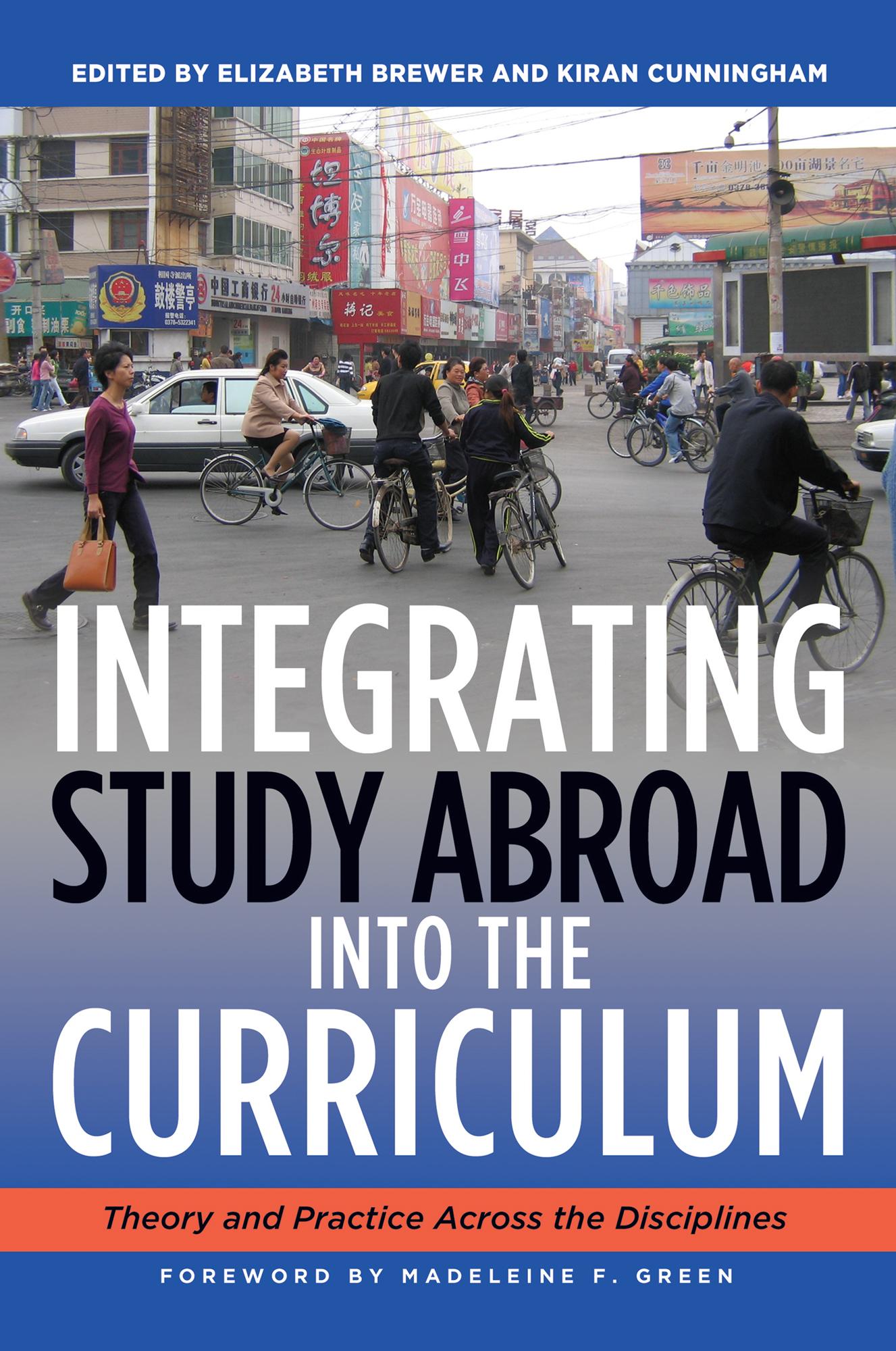
With the increased interest in study abroad from government, educators, employers and students, the question is: is study abroad engendering the desired intercultural competencies and intellectual development?To achieve this goal, this book proposes two strategies: structure study abroad to bridge the separation of academic learning from experiential and intercultural learning; and integrate study abroad with the undergraduate curriculum.In proposing this integration, the editors take into account the need for institutional change, and recognize faculty members’ concerns about maintaining the integrity of the curriculum, teaching in areas outside their expertise, and keeping up with ever-evolving institutional missions.This book opens with two chapters presenting different theoretical perspectives relevant to the integration of study abroad into the curriculum. The following nine chapters provide examples from a variety of disciplines – from anthropology and religious studies, to literature, urban studies, biology and public health – and within such contexts as distance learning, service learning, and the senior thesis. The concluding chapter considers faculty development activities and institutional structures and policies that support curriculum integration. While the examples are drawn from Beloit College and Kalamazoo College – liberal arts colleges with substantial study abroad enrollments, and nationally recognized for their innovative practices – readers will recognize they are easily adaptable to their own institutions. The two colleges achieved their curricular innovations with limited financial resources, and in the context that most of their students are dependent on financial aid. The transformational ideas and practices described here provide material for reflection and campus conversations for anyone concerned with developing global citizens and well-educated students, and offer a blueprint for implementation.
Before Memmo my notes were scattered across PDFs. Now a workspace pulls everything into one place — I see exactly what's still left to study.
Memmo's summaries are gold before exams. I don't have to re-read 800 pages two weeks before — just the important parts.
The AI chat has saved me the night before an exam more than once. I just keep asking until I get it — no waiting on a study group to reply.
The quizzes hit exactly what I need to know. Memmo tracks what I get stuck on — so I only practice what's worth it.
Flashcards with spaced repetition are magic. Memmo knows when I'm about to forget something and brings it back.
The AI podcasts are my favorite. I listen on my way to school and get a recap without sitting at a computer.

Handbok i kvalitativa metoder
281 kr

Hållbar utveckling: en introduktion för ingenjörer och andra problemlösare
334 kr

Brymans Samhällsvetenskapliga metoder
390 kr

Projektledning
491 kr

Den orättvisa hälsan: om socioekonomiska skillnader i hälsa och livslängd
326 kr

Organizational Leadership
429 kr

Vetenskapsteori för nybörjare
196 kr

På väg mot läraryrket
172 kr

Det sociala livet i skolan: Socialpsykologiska perspektiv
253 kr

Betygsättningens didaktik
151 kr

Personality
402 kr

Studying Leadership
404 kr

Managing Innovation
477 kr

Introduktion till samhällsvetenskaplig metod
347 kr

The Psychology of Sex and Gender
698 kr

Evidens och kunskap för socialt arbete
207 kr

Introduction to Leadership
605 kr