
Before Memmo my notes were scattered across PDFs. Now a workspace pulls everything into one place — I see exactly what's still left to study.
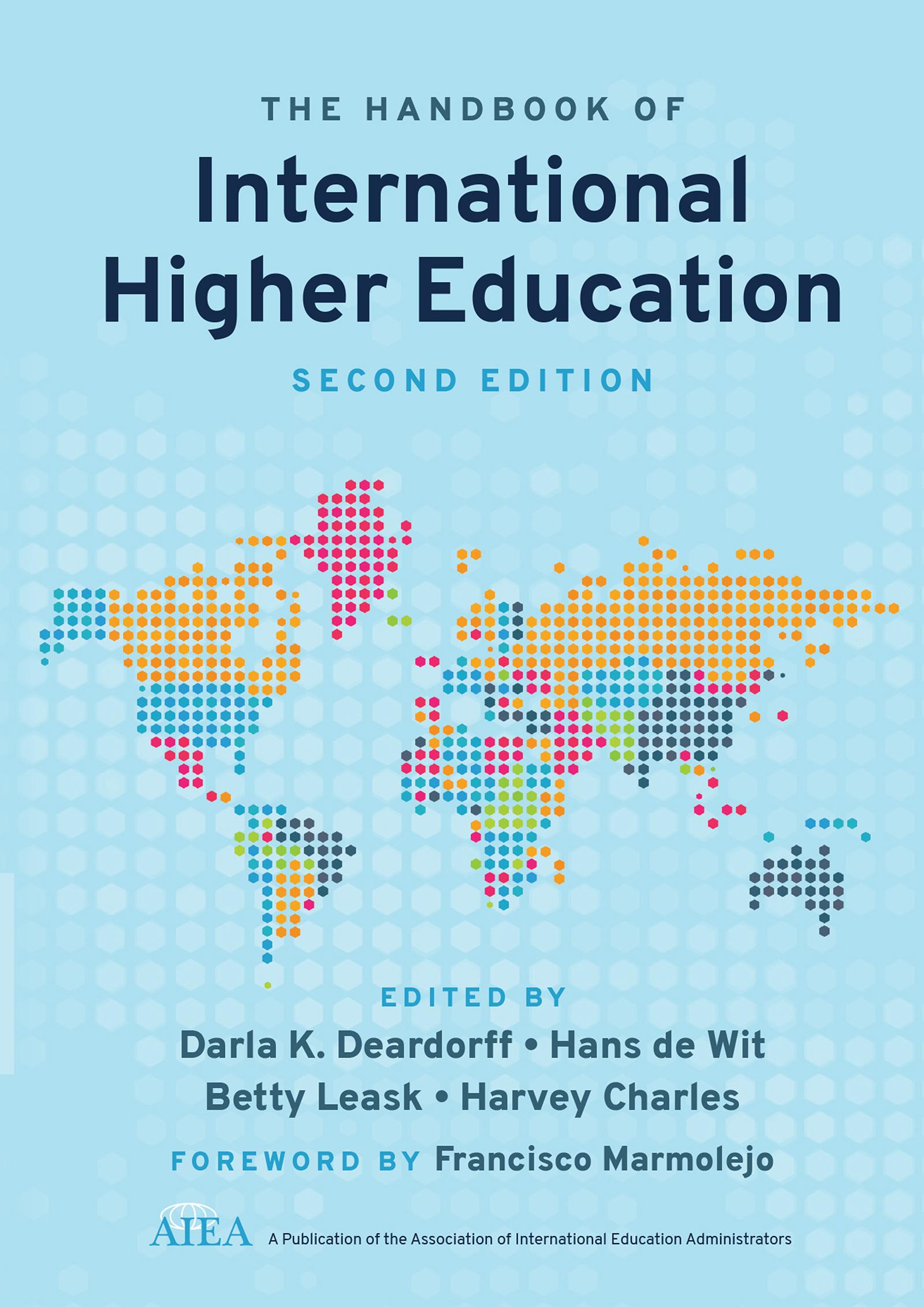
Co-published with AIEAInternational higher education has evolved, in some respects dramatically, in the decade since publication of the first edition of this handbook. The new issues, trends, practices and priorities of research that evolved over this time have in some instances been transformed by one of the most dynamic and tumultuous periods in the history of international higher education, brought on by the pandemic, a re-emergence of nationalism, and the recognition of the power imbalances between the developed economies and the global south, and racial inequities within and across borders. This new edition addresses the myriad changes across all aspects of international education, each chapter addressing to the extent possible the reality of the present in which they were written and offering some insights for the future. While updating a number of chapters from the first edition, it also includes a preponderance of new chapters written by contributors representing wider and more diverse backgrounds.In keeping with the first edition, the overall message is that the internationalization of higher education has a vital role to play in a world that is more interconnected than ever before. Recognizing changing economic, geopolitical, climatic, and public health issues, as well as the importance of international and cross-cultural collaboration to address global problems, this handbook offers a comprehensive range of models, data and ideas to stimulate new directions in the conception and practice of international education.This edition reflects today’s concerns around inclusion, diversity and equity, and how international education is being changed by issues such as decolonization, the focus on learning outcomes, the impact of digital tools to enhance access and learning and collaboration such a virtual exchange, competition for resources, risk, new patterns of mobility, and new models such as joint programs and qualifications.As with the first edition, the chapters often intentionally pair scholars and practitioners from different parts of the world, and include text boxes that highlight concrete institutional, national, or regional experiences, providing diverse voices and perspectives from around the world. This comprehensive new edition provides ideas, concepts, theories and practical ideas from around the world for those seeking to enhance the quality of the three core functions of higher education: teaching, research and service to society. It constitutes an essential resource for everyone involved in the delivery of international education and in determining its future direction. Summary of ContentsMaintaining a similar structure of the first edition, this revised Handbook is comprised of four sections. The first section includes five chapters that address national, regional and international frameworks and contexts. The second addresses key aspects of internationalization at the strategy level, covering leadership, institutional strategies, outcomes assessment, resources and financing, risk management, and institutional linkages and partnerships. The third describes core functions of internationalization, addressing intercultural competence development, the internationalization of the curriculum, teaching and learning, virtual exchange, international perspectives on the work of student affairs professionals, student engagement, engaging staff and faculty, the internationalization of research and finally, and a chapter on serving communities.
Before Memmo my notes were scattered across PDFs. Now a workspace pulls everything into one place — I see exactly what's still left to study.
Memmo's summaries are gold before exams. I don't have to re-read 800 pages two weeks before — just the important parts.
The AI chat has saved me the night before an exam more than once. I just keep asking until I get it — no waiting on a study group to reply.
The quizzes hit exactly what I need to know. Memmo tracks what I get stuck on — so I only practice what's worth it.
Flashcards with spaced repetition are magic. Memmo knows when I'm about to forget something and brings it back.
The AI podcasts are my favorite. I listen on my way to school and get a recap without sitting at a computer.

Handbok i kvalitativa metoder
281 kr

Hållbar utveckling: en introduktion för ingenjörer och andra problemlösare
334 kr

Brymans Samhällsvetenskapliga metoder
390 kr

Projektledning
491 kr

Den orättvisa hälsan: om socioekonomiska skillnader i hälsa och livslängd
326 kr

Vetenskapsteori för nybörjare
196 kr

Organizational Leadership
429 kr

På väg mot läraryrket
172 kr

Det sociala livet i skolan: Socialpsykologiska perspektiv
253 kr

Betygsättningens didaktik
151 kr

Personality
402 kr

Studying Leadership
404 kr

Managing Innovation
477 kr

Introduktion till samhällsvetenskaplig metod
347 kr

The Psychology of Sex and Gender
698 kr

Evidens och kunskap för socialt arbete
207 kr

Introduction to Leadership
605 kr