
Before Memmo my notes were scattered across PDFs. Now a workspace pulls everything into one place — I see exactly what's still left to study.
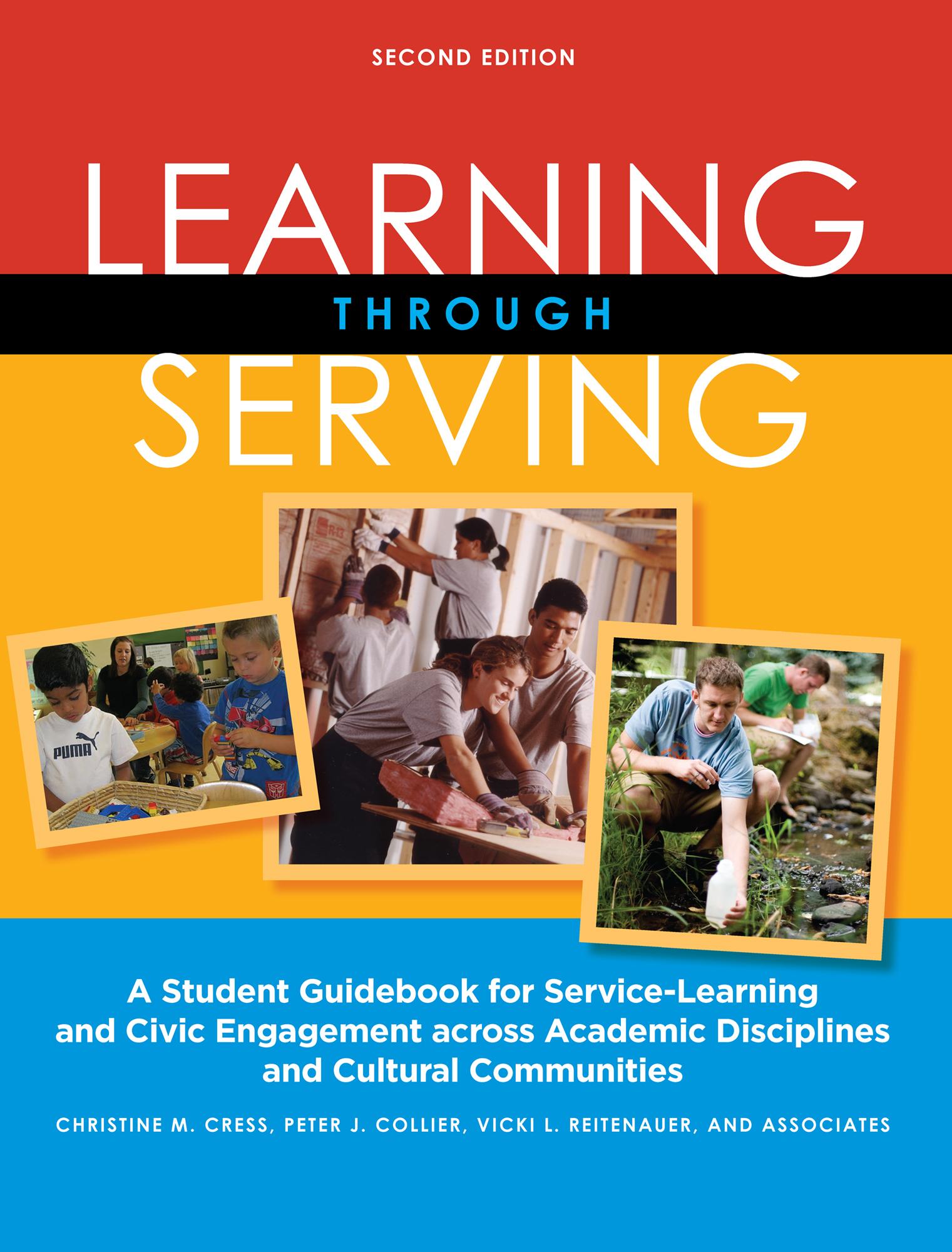
This substantially expanded new edition of this widely-used and acclaimed text maintains the objectives and tenets of the first. It is designed to help students understand and reflect on their community service experiences both as individuals and as citizens of communities in need of their compassionate expertise. It is designed to assist faculty in facilitating student development of compassionate expertise through the context of service in applying disciplinary knowledge to community issues and challenges. In sum, the book is about how to make academic sense of civic service in preparing for roles as future citizen leaders.
Each chapter has been developed to be read and reviewed, in sequence, over the term of a service-learning course. Students in a semester course might read just one chapter each week, while those in a quarter-term course might need to read one to two chapters per week. The chapters are intentionally short, averaging 8 to 14 pages, so they do not interfere with other course content reading.
This edition presents four new chapters on Mentoring, Leadership, Becoming a Change Agent, and Short-Term Immersive and Global Service-Learning experiences. The authors have also revised the original chapters to more fully address issues of social justice, privilege/power, diversity, intercultural communication, and technology; have added more disciplinary examples; incorporated additional academic content for understanding service-learning issues (e.g., attribution theory); and cover issues related to students with disabilities, and international students.
This text is a student-friendly, self-directed guide to service-learning that:
Instructor's Manual
This Instructor Manual discusses the following six key areas for aligning your course with use of Learning through Serving, whether you teach a senior-level high school class, freshman studies course, or a college capstone class:
1. Course and syllabus design
2. Community-partner collaboration
3. Creating class community
4. Strategic teaching techniques
5. Developing intercultural competence
6. Impact assessment
Before Memmo my notes were scattered across PDFs. Now a workspace pulls everything into one place — I see exactly what's still left to study.
Memmo's summaries are gold before exams. I don't have to re-read 800 pages two weeks before — just the important parts.
The AI chat has saved me the night before an exam more than once. I just keep asking until I get it — no waiting on a study group to reply.
The quizzes hit exactly what I need to know. Memmo tracks what I get stuck on — so I only practice what's worth it.
Flashcards with spaced repetition are magic. Memmo knows when I'm about to forget something and brings it back.
The AI podcasts are my favorite. I listen on my way to school and get a recap without sitting at a computer.

Handbok i kvalitativa metoder
281 kr

Hållbar utveckling: en introduktion för ingenjörer och andra problemlösare
334 kr

Brymans Samhällsvetenskapliga metoder
390 kr

Projektledning
491 kr

Den orättvisa hälsan: om socioekonomiska skillnader i hälsa och livslängd
326 kr

Vetenskapsteori för nybörjare
196 kr

Organizational Leadership
429 kr

På väg mot läraryrket
172 kr

Det sociala livet i skolan: Socialpsykologiska perspektiv
253 kr

Betygsättningens didaktik
151 kr

Personality
402 kr

Studying Leadership
404 kr

Managing Innovation
477 kr

Introduktion till samhällsvetenskaplig metod
347 kr

The Psychology of Sex and Gender
698 kr

Evidens och kunskap för socialt arbete
207 kr

Introduction to Leadership
605 kr