
Before Memmo my notes were scattered across PDFs. Now a workspace pulls everything into one place — I see exactly what's still left to study.
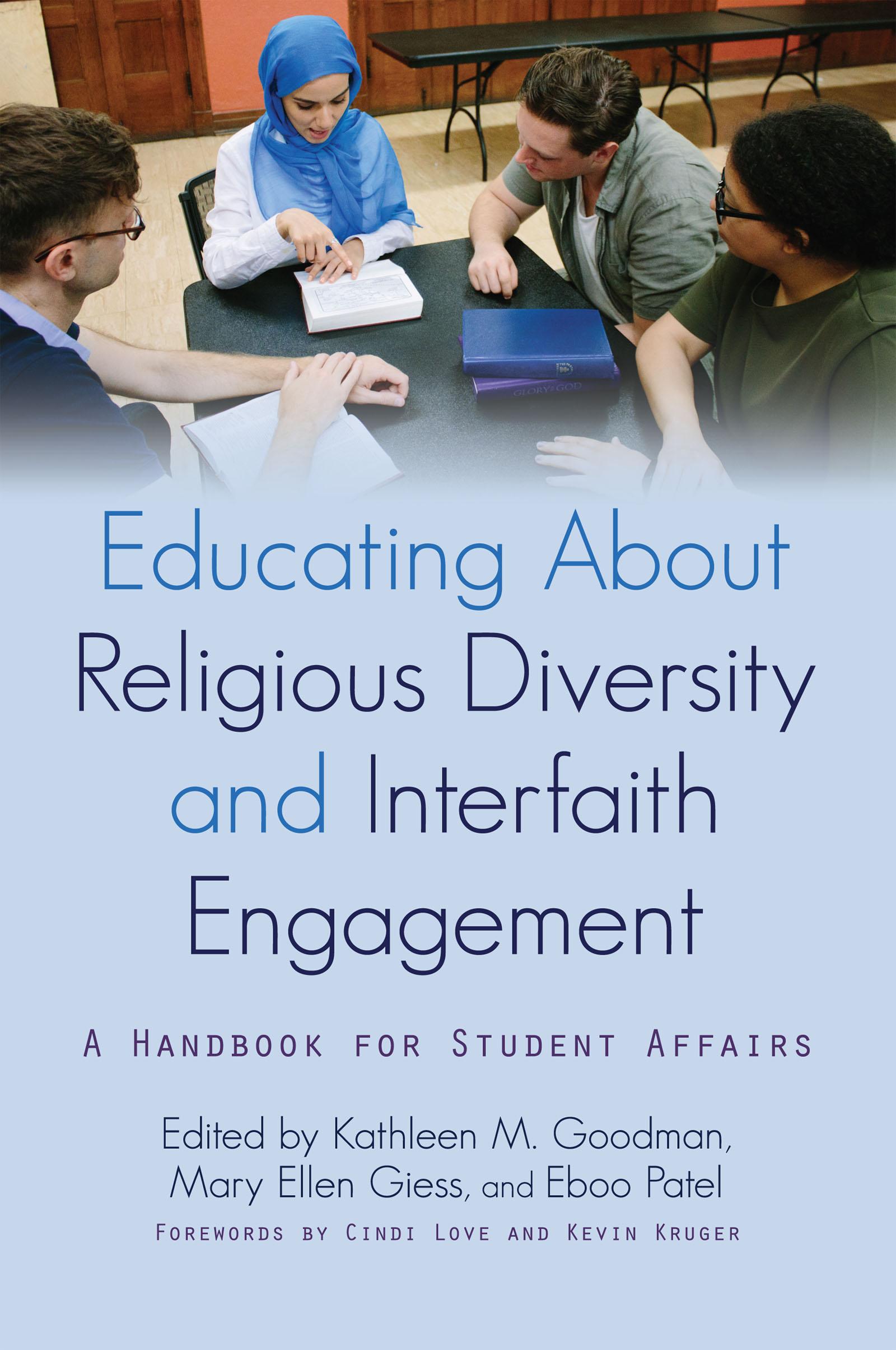
This book arises out of a recognition that student affairs professionals have little preparation or guidance in dealing with matters of spirituality, religion, secularity, and interfaith work at a time of greater diversity in students’ beliefs and, from a broad recognition that there is a need to engage with this aspect of student life. For those who don’t know how to begin and may be nervous about tackling a topic that has the potential to lead to heated disagreements, this book provides the resources and practical guidance to undertake this work.With the aim of providing student affairs practitioners and faculty with the tools they need to increase their comfort level and enable their ability to engage in discussions about belief both in and out of the classroom, the contributors provide foundational knowledge, concrete teaching ideas, sample activities, and case studies that can be used in a variety of settings. This book serves multiple audiences in student affairs by providing teaching ideas for practitioners who want to include a session or two about interfaith in their programs as well as ideas for student affairs faculty who may be teaching one session on this topic or a whole course. The book is divided into four sections. The first offers context, provides the findings of research, and asks readers to reflect on the framework they use to embark on this work, whether a social justice framework that aims to highlight issues of power and privilege or an interfaith cooperation framework that aims to create religious pluralism. Part Two provides concrete ideas for creating courses, activities, events, and programs focused on spirituality, religion, secularity, and interfaith engagement, as well as ideas for incorporating these topics into courses typically offered in student affairs preparation programs. Part Three presents case studies to engage students, practitioners, and faculty in thinking about campus situations related to religious diversity. Part Four provides some basic information about a variety of religions and worldviews held by college students.
Before Memmo my notes were scattered across PDFs. Now a workspace pulls everything into one place — I see exactly what's still left to study.
Memmo's summaries are gold before exams. I don't have to re-read 800 pages two weeks before — just the important parts.
The AI chat has saved me the night before an exam more than once. I just keep asking until I get it — no waiting on a study group to reply.
The quizzes hit exactly what I need to know. Memmo tracks what I get stuck on — so I only practice what's worth it.
Flashcards with spaced repetition are magic. Memmo knows when I'm about to forget something and brings it back.
The AI podcasts are my favorite. I listen on my way to school and get a recap without sitting at a computer.

Handbok i kvalitativa metoder
281 kr

Hållbar utveckling: en introduktion för ingenjörer och andra problemlösare
334 kr

Brymans Samhällsvetenskapliga metoder
390 kr

Projektledning
491 kr

Den orättvisa hälsan: om socioekonomiska skillnader i hälsa och livslängd
326 kr

Organizational Leadership
429 kr

Vetenskapsteori för nybörjare
196 kr

På väg mot läraryrket
172 kr

Det sociala livet i skolan: Socialpsykologiska perspektiv
253 kr

Betygsättningens didaktik
151 kr

Personality
402 kr

Studying Leadership
404 kr

Managing Innovation
477 kr

Introduktion till samhällsvetenskaplig metod
347 kr

The Psychology of Sex and Gender
698 kr

Evidens och kunskap för socialt arbete
207 kr

Introduction to Leadership
605 kr