
Before Memmo my notes were scattered across PDFs. Now a workspace pulls everything into one place — I see exactly what's still left to study.
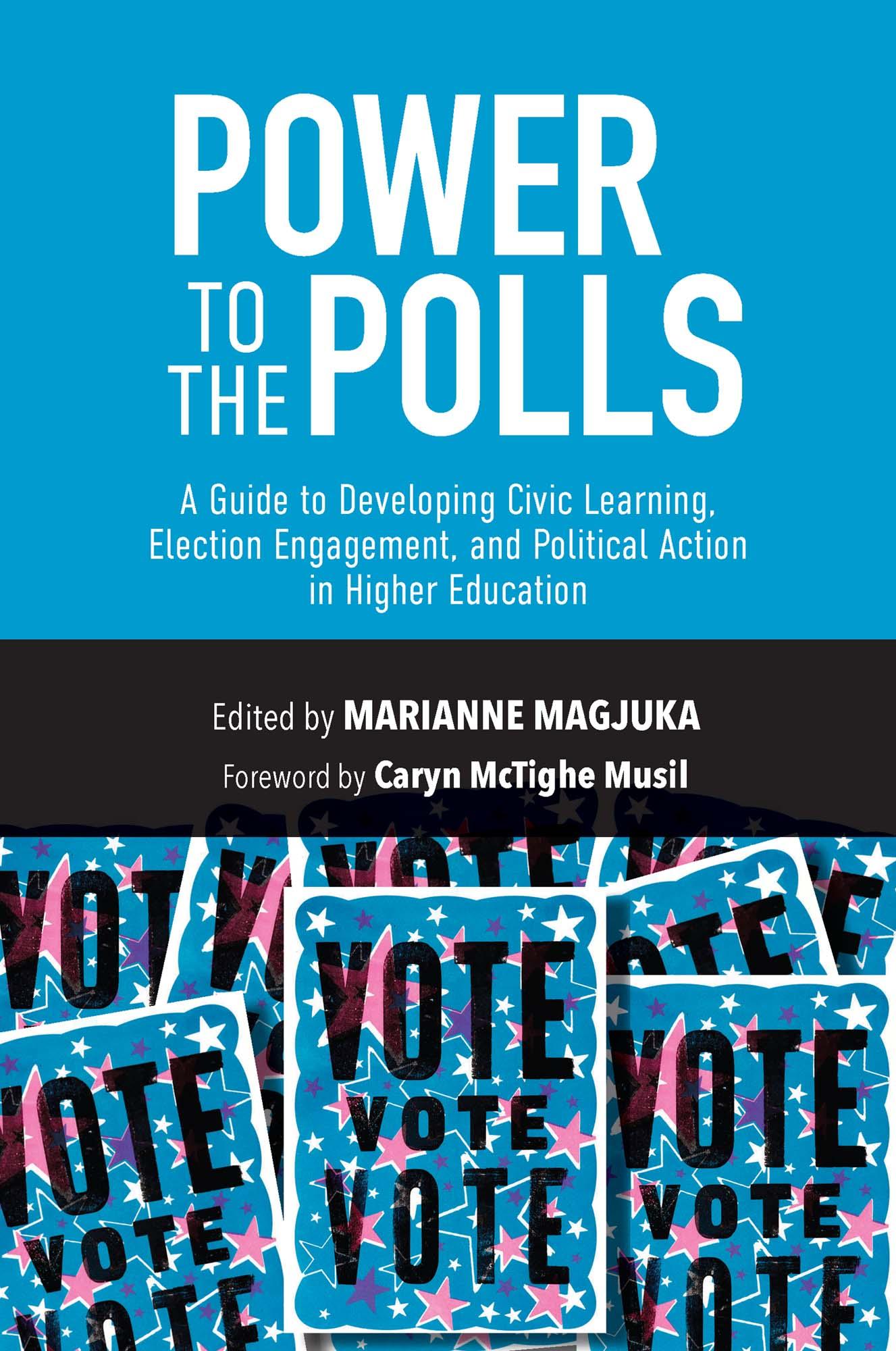
Given that students are increasingly arriving on campus with limited civic knowledge, and the fragile state of our democracy, there is an urgent need to incorporate civic learning into courses, programs, systems, and processes throughout our institutions. This book provides administrators, student affairs educators, and faculty with frameworks and examples for developing initiatives and programs to promote students’ civic learning and democratic engagement; set sustainable, campus-wide goals; track student learning outcomes; and make data-driven decisions that impact the campus climate for civic engagement.For many campuses, the first step is to assemble a diverse team of faculty, staff, students, and community partners to review existing programs; research national organizations that offer data, support, and benchmarks for sustainable initiatives; identify examples of practice such as those described in this book; and consider the diversity of the student body and local community, their needs, and the opportunities they offer.Beyond two opening chapters that provide foundational grounding for this work, this volume offers nineteen emerging and promising examples of how a range of institutions—from community colleges and liberal arts universities to state and Research One institutions—are addressing the need for civic learning, promoting civil political discourse, engaging students in voter registration and mobilization, and on how to work with legislators on issues—and how to promote this work on a non-partisan basis.The chapters identify a wide range of resources and organizations that support the work of civic engagement both nationally—such as AAC&U, Campus Compact, NASPA, Institute for Democracy & Higher Education, the National Study of Learning, Voting, and Engagement, and the Center for Information & Research on Civic Learning and Engagement—and at the state level.When designed and executed well, civic learning programs can foster competencies for lifelong citizenship and inspire young people to see themselves as civic actors and problem-solvers, to seek diverse viewpoints and perspectives, and to make change in their communities. This book offers ideas, resources, and frameworks to undertake this vital task.
Before Memmo my notes were scattered across PDFs. Now a workspace pulls everything into one place — I see exactly what's still left to study.
Memmo's summaries are gold before exams. I don't have to re-read 800 pages two weeks before — just the important parts.
The AI chat has saved me the night before an exam more than once. I just keep asking until I get it — no waiting on a study group to reply.
The quizzes hit exactly what I need to know. Memmo tracks what I get stuck on — so I only practice what's worth it.
Flashcards with spaced repetition are magic. Memmo knows when I'm about to forget something and brings it back.
The AI podcasts are my favorite. I listen on my way to school and get a recap without sitting at a computer.

Handbok i kvalitativa metoder
281 kr

Hållbar utveckling: en introduktion för ingenjörer och andra problemlösare
334 kr

Brymans Samhällsvetenskapliga metoder
390 kr

Projektledning
491 kr

Den orättvisa hälsan: om socioekonomiska skillnader i hälsa och livslängd
326 kr

Organizational Leadership
429 kr

Vetenskapsteori för nybörjare
196 kr

På väg mot läraryrket
172 kr

Det sociala livet i skolan: Socialpsykologiska perspektiv
253 kr

Betygsättningens didaktik
151 kr

Personality
402 kr

Studying Leadership
404 kr

Managing Innovation
477 kr

Introduktion till samhällsvetenskaplig metod
347 kr

The Psychology of Sex and Gender
698 kr

Evidens och kunskap för socialt arbete
207 kr

Introduction to Leadership
605 kr