
Before Memmo my notes were scattered across PDFs. Now a workspace pulls everything into one place — I see exactly what's still left to study.
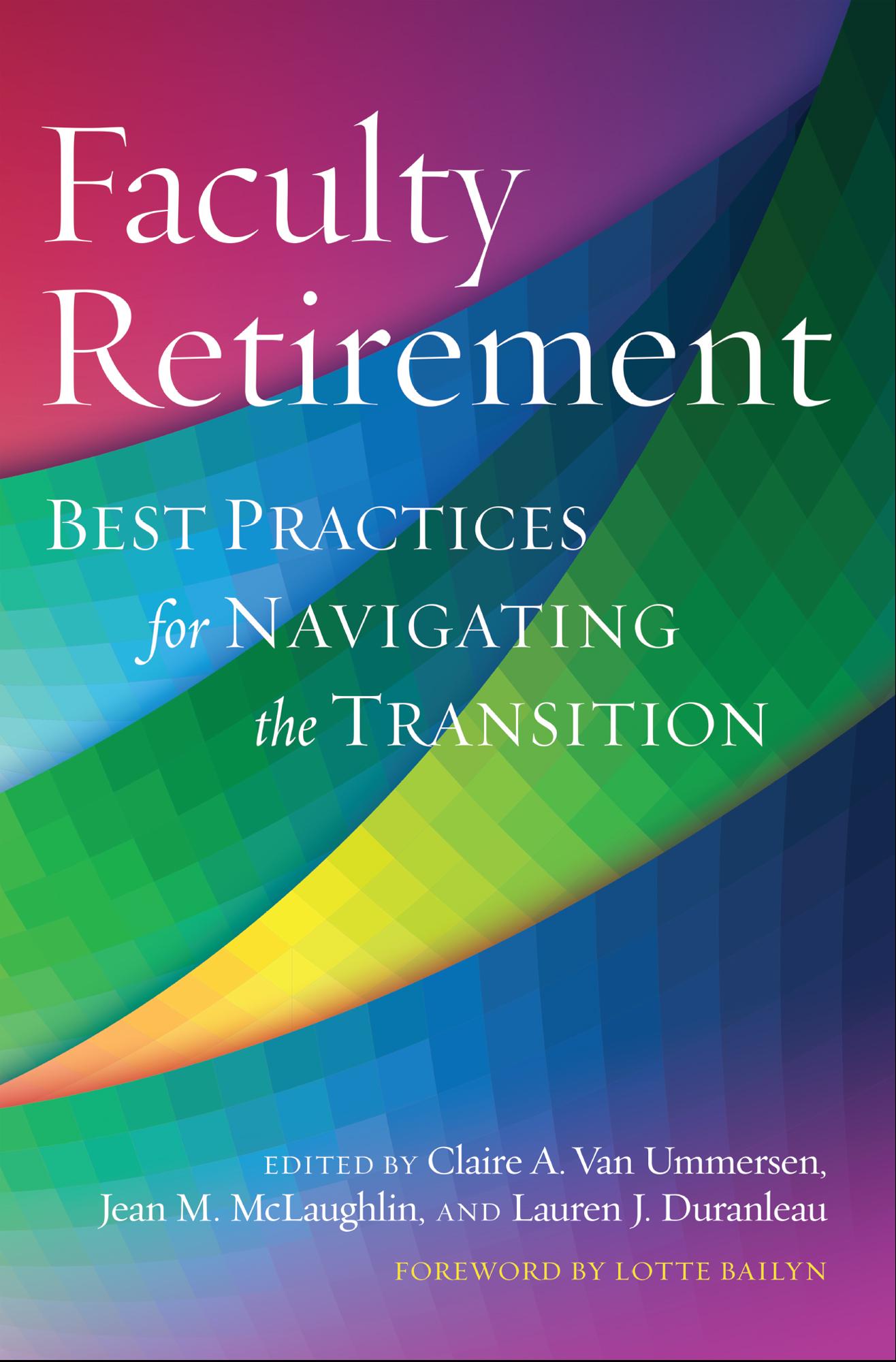
Co-published with ACE.This book addresses the critical and looming issue of retirement in higher education as the cohort of boomer generation faculty come to the close of their careers. On the one hand institutions need to replenish themselves, and so need older employees to retire. On the other, mass retirements can decimate departments, creating the need for mass hirings that will create another crisis in the future.At the same time, with the elimination of mandatory retirement, many faculty are working on into and beyond their seventies because they feel they still have much to contribute, because their identities are closely tied to their work, because they wish to remain connected to their institutions, or for financial reasons. Given institutions’ legal constraints and planning exigencies, and faculties’ varied motivations, what are the options that can satisfy the needs of both parties? This book presents a range of examples of how institutions of all types and sizes are addressing these dilemmas, and how faculty members have helped create or shape policies that address their needs and allow them to continue to play meaningful roles at their institutions.The contributors describe practices that address the concerns of those already nearing or in retirement, propose approaches to creating opportunities to start these sensitive discussions and address financial planning at early career stages, and outline strategies for developing clear structures and policies and communication so that individuals have a full understanding of their options as they make life-changing decisions. This book presents models from fifteen colleges and universities identified by the American Council on Education through a competition for having developed innovative and effective ways to help faculty transition into retirement. It offers clear messages about the need for greater transparency in addressing retirement and transitions, for better communication, and for close coordination between human resources and academic administrators. It offers a roadmap for HR personnel, senior administrators, department chairs, and faculty themselves.
Before Memmo my notes were scattered across PDFs. Now a workspace pulls everything into one place — I see exactly what's still left to study.
Memmo's summaries are gold before exams. I don't have to re-read 800 pages two weeks before — just the important parts.
The AI chat has saved me the night before an exam more than once. I just keep asking until I get it — no waiting on a study group to reply.
The quizzes hit exactly what I need to know. Memmo tracks what I get stuck on — so I only practice what's worth it.
Flashcards with spaced repetition are magic. Memmo knows when I'm about to forget something and brings it back.
The AI podcasts are my favorite. I listen on my way to school and get a recap without sitting at a computer.

Handbok i kvalitativa metoder
281 kr

Hållbar utveckling: en introduktion för ingenjörer och andra problemlösare
334 kr

Brymans Samhällsvetenskapliga metoder
390 kr

Projektledning
491 kr

Den orättvisa hälsan: om socioekonomiska skillnader i hälsa och livslängd
326 kr

Vetenskapsteori för nybörjare
196 kr

Organizational Leadership
429 kr

På väg mot läraryrket
172 kr

Det sociala livet i skolan: Socialpsykologiska perspektiv
253 kr

Betygsättningens didaktik
151 kr

Personality
402 kr

Studying Leadership
404 kr

Managing Innovation
477 kr

Introduktion till samhällsvetenskaplig metod
347 kr

The Psychology of Sex and Gender
698 kr

Evidens och kunskap för socialt arbete
207 kr

Introduction to Leadership
605 kr