
Before Memmo my notes were scattered across PDFs. Now a workspace pulls everything into one place — I see exactly what's still left to study.
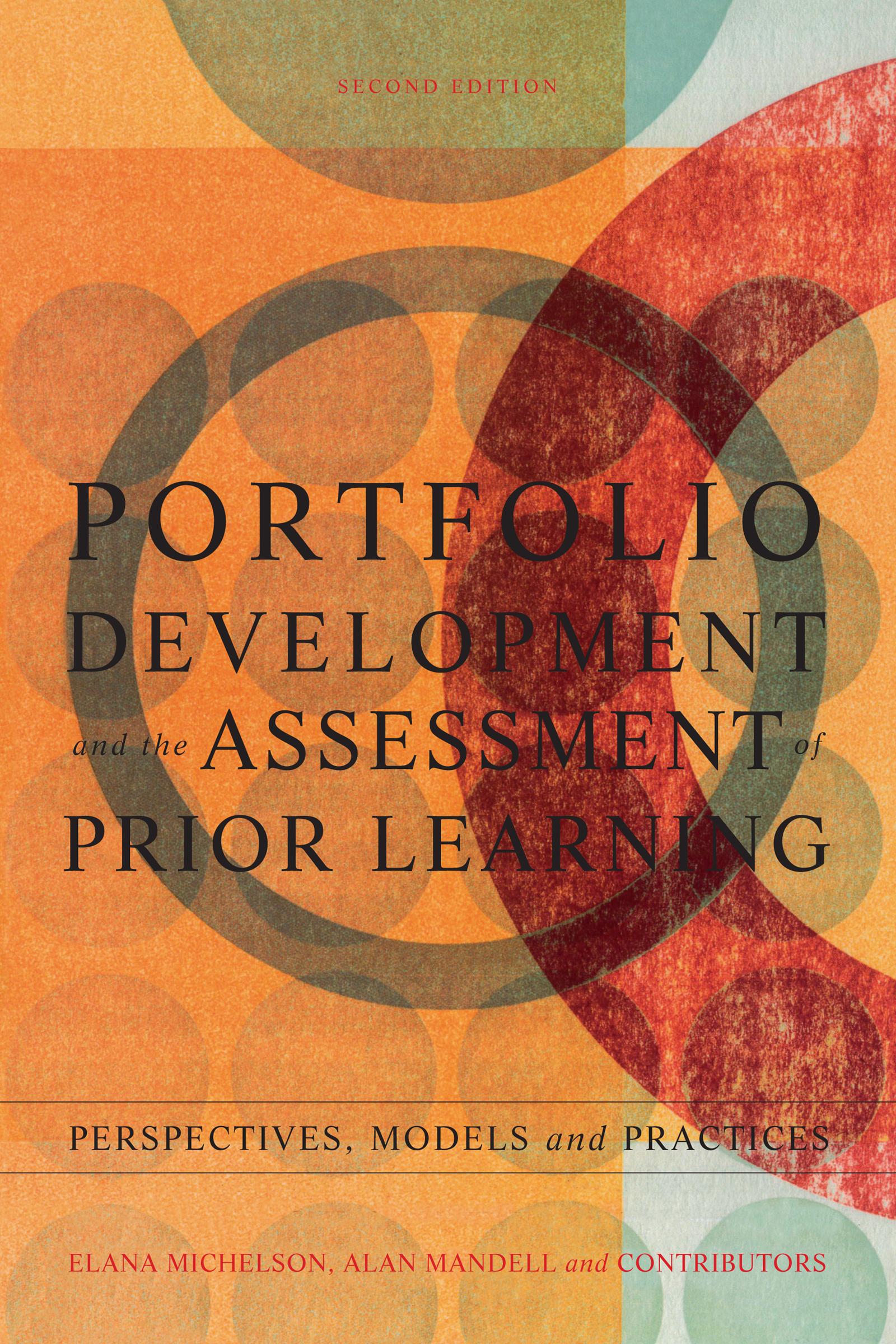
For over thirty years, portfolios have been used to help adult learners gain recognition for their prior learning and take greater control of their educational experiences. The portfolio has become a distinctive means of assessing such learning, serving as a meaningful alternative to conventional papers and standardized testing. Portfolio Development and the Assessment of Prior Learning: Perspectives, Models, and Practices provides a primer of flexible approaches to shaping and conducting portfolio-development courses. It offers practitioners in the field an extensive range of model assignments, readings, and classroom activities, each organized around a specific theme: Academic Orientation, The Meaning of Education, Personal Exploration, Learning from the Outsider Within, The World of Work and Careers, and Dimensions of Expertise. Twelve case studies by practitioners in the field then show how academics in the US and around the English-speaking world have adapted the portfolio to changing circumstances in order to deliver academically rich educational services for adults. These case studies highlight portfolio development in the context of web-based instruction, changing institutional imperatives, service to historically disenfranchised groups, partnerships with industry, and cross-institutional cooperation.In addition to serving as a valuable hands-on resource for practitioners, Portfolio Development and the Assessment of Prior Learning locates portfolios and assessment in a broad social and intellectual context. Thus, the authors also offer an historical overview of the usefulness of portfolios in the assessment of prior learning and then consider their use in the future, given current trends in higher education for adults. The book explores the implications of a changing educational landscape, in which new student populations, budgetary pressures, and understandings of knowledge both enrich and challenge student-centered approaches such as portfolios.The approaches and case studies are not only valuable to adult educators but, equally, to faculty in higher education concerned with the development of competency- and outcomes-based assessment.
Before Memmo my notes were scattered across PDFs. Now a workspace pulls everything into one place — I see exactly what's still left to study.
Memmo's summaries are gold before exams. I don't have to re-read 800 pages two weeks before — just the important parts.
The AI chat has saved me the night before an exam more than once. I just keep asking until I get it — no waiting on a study group to reply.
The quizzes hit exactly what I need to know. Memmo tracks what I get stuck on — so I only practice what's worth it.
Flashcards with spaced repetition are magic. Memmo knows when I'm about to forget something and brings it back.
The AI podcasts are my favorite. I listen on my way to school and get a recap without sitting at a computer.

Handbok i kvalitativa metoder
281 kr

Hållbar utveckling: en introduktion för ingenjörer och andra problemlösare
334 kr

Brymans Samhällsvetenskapliga metoder
390 kr

Projektledning
491 kr

Den orättvisa hälsan: om socioekonomiska skillnader i hälsa och livslängd
326 kr

Vetenskapsteori för nybörjare
196 kr

Organizational Leadership
429 kr

På väg mot läraryrket
172 kr

Det sociala livet i skolan: Socialpsykologiska perspektiv
253 kr

Betygsättningens didaktik
151 kr

Personality
402 kr

Studying Leadership
404 kr

Managing Innovation
477 kr

Introduktion till samhällsvetenskaplig metod
347 kr

The Psychology of Sex and Gender
698 kr

Evidens och kunskap för socialt arbete
207 kr

Introduction to Leadership
605 kr