
Before Memmo my notes were scattered across PDFs. Now a workspace pulls everything into one place — I see exactly what's still left to study.
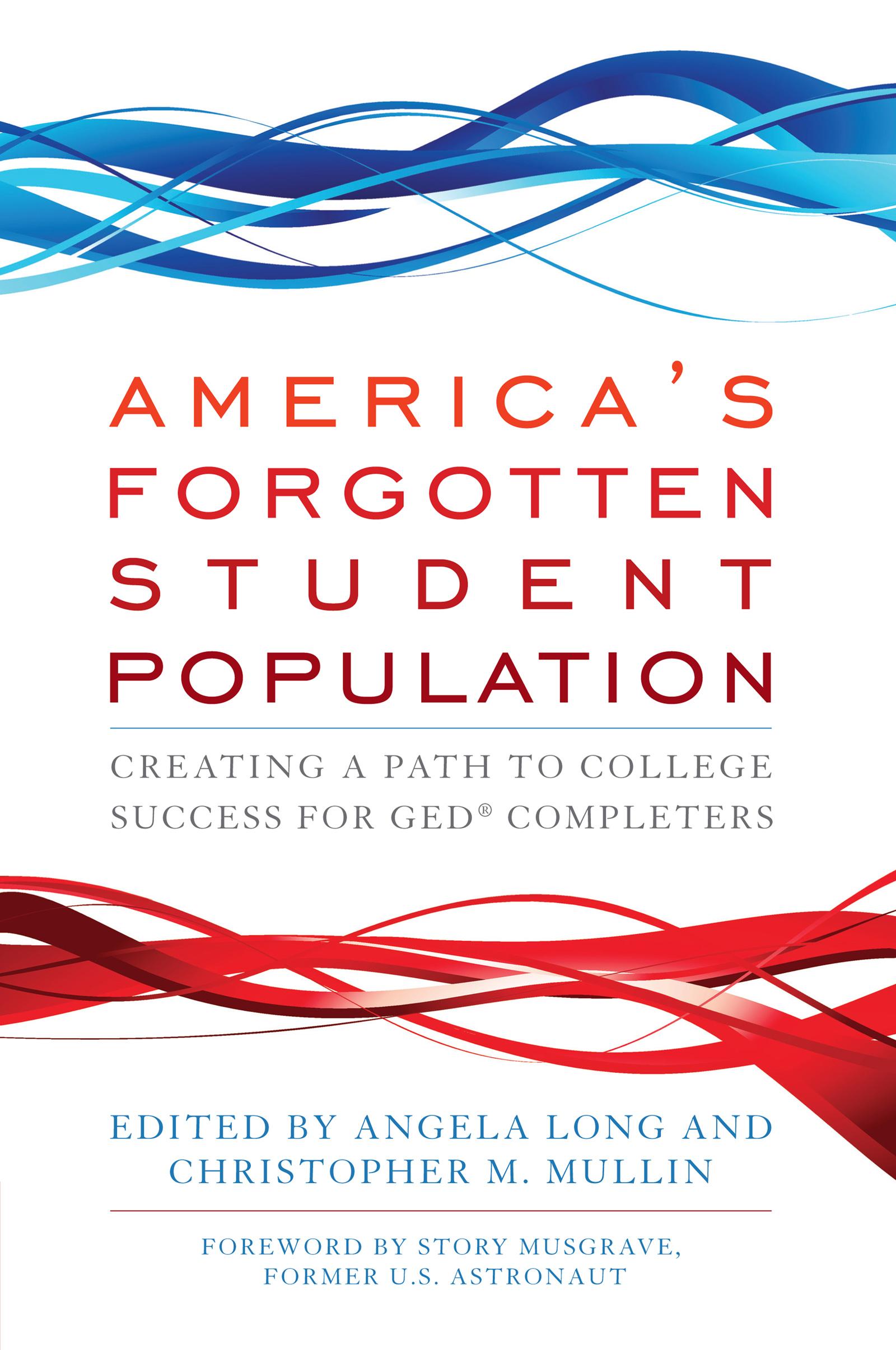
Constituting one in twelve of adult Americans, GED certificate holders comprise a major pool of underdeveloped human capital in our society. They are a resource that will be sorely needed as “boomers” reach retirement and the traditional pipeline of 17 – 23 year olds falls short of filling our growing workforce needs. Although these nontraditional students can potentially meet our future workforce demands, and although half of them enter post-secondary education, half of those who do so drop out of college for lack of basic support systems – often at the very same institutions that provided programs of retention while they were earning their GED and completing basic Adult Education classes. Yet national data collected by the National Center for Educational Statistics reveals that GED certificate holders who persist to their second year of community college studies accumulate grade point averages equal to high school graduates, refuting widely held beliefs that GED earners are not capable of rigorous academic work. This is the first book to remedy the dearth of data on this forgotten population, to present original research on these students, describing their characteristics and motivations, and to provide proven models for identifying, retaining and graduating this under-counted and underestimated cohort. It addresses the issue of the pipeline from GED centers to postsecondary education, and includes first-person narratives that offer vivid insights into GED earners’ resilience and needs. As this book reveals, more than 40 percent of community colleges responding to a 2010 ACT survey have no one responsible for coordinating retention efforts; and more than half have no goals for first-year student retention; and estimates that community colleges are cumulatively foregoing over $1.5 billion in revenues as the result of failing to retain their GED populations.This book is a comprehensive resource for college administrators, and for educational policy makers and researchers, offering both broad policy recommendations and tested ideas and models that can be implemented at the state and institutional level.
Before Memmo my notes were scattered across PDFs. Now a workspace pulls everything into one place — I see exactly what's still left to study.
Memmo's summaries are gold before exams. I don't have to re-read 800 pages two weeks before — just the important parts.
The AI chat has saved me the night before an exam more than once. I just keep asking until I get it — no waiting on a study group to reply.
The quizzes hit exactly what I need to know. Memmo tracks what I get stuck on — so I only practice what's worth it.
Flashcards with spaced repetition are magic. Memmo knows when I'm about to forget something and brings it back.
The AI podcasts are my favorite. I listen on my way to school and get a recap without sitting at a computer.

Handbok i kvalitativa metoder
281 kr

Hållbar utveckling: en introduktion för ingenjörer och andra problemlösare
334 kr

Brymans Samhällsvetenskapliga metoder
390 kr

Projektledning
491 kr

Den orättvisa hälsan: om socioekonomiska skillnader i hälsa och livslängd
326 kr

Organizational Leadership
429 kr

Vetenskapsteori för nybörjare
196 kr

På väg mot läraryrket
172 kr

Det sociala livet i skolan: Socialpsykologiska perspektiv
253 kr

Betygsättningens didaktik
151 kr

Personality
402 kr

Studying Leadership
404 kr

Managing Innovation
477 kr

Introduktion till samhällsvetenskaplig metod
347 kr

The Psychology of Sex and Gender
698 kr

Evidens och kunskap för socialt arbete
207 kr

Introduction to Leadership
605 kr