
Before Memmo my notes were scattered across PDFs. Now a workspace pulls everything into one place — I see exactly what's still left to study.
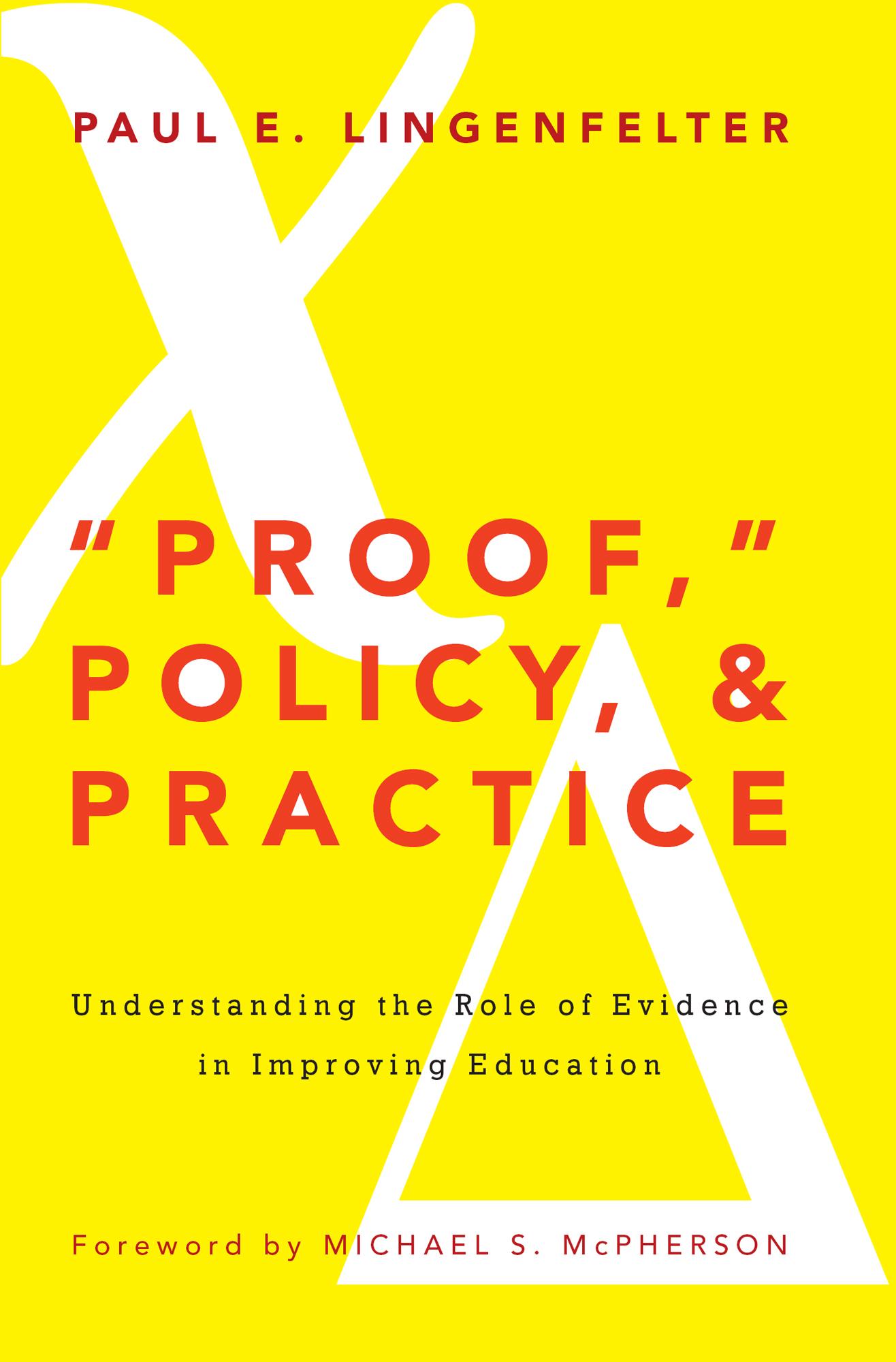
How can we “fix” our schools? Improve graduation rates in college? What works?These are questions that make the headlines and vex policy makers, practitioners, and educational researchers. While they strive to improve society, there are frequently gulfs of mutual incomprehension among them.Academics, longing for more influence, may wrongly fault irrationality, ideology, or ignorance for the failure of research to inform policy and practice more powerfully. Policy makers and practitioners may doubt that academics can deliver ideas that will reliably yield desirable results. This book bridges the divide. It argues that unrealistic expectations lead to both unproductive research and impossible standards for “evidence-based” policy and practice, and it offers promising ways for evidence to contribute to improvement. It analyzes the utility and limitations of the different research methods that have been applied to policy and practice, as well as the strengths and weaknesses of educational reform strategies. It explains why using evidence for “accountability” often makes things worse rather than better.Paul Lingenfelter offers educational researchers and policy makers a framework for considering such questions as: What problems are important and accessible? What methods will be fruitful? Which help policy makers and practitioners make choices and learn how to improve? What information is relevant? What knowledge is valid and useful? How can policy makers and practitioners establish a more productive division of labor based on their respective capabilities and limitations? He cautions against the illusion that straight-forward scientific approaches and data can be successfully applied to society’s most complex problems. While explaining why no single policy or intervention can solve complex problems, he concludes that determination, measurement, analysis, and adaptation based on evidence in specific situations can lead to significant improvement. This positive, even-handed introduction to the use of research for problem-solving concludes by suggesting emerging practices and approaches that can help scholars, practitioners, and policy leaders become more successful in reaching their fundamental goals.
Before Memmo my notes were scattered across PDFs. Now a workspace pulls everything into one place — I see exactly what's still left to study.
Memmo's summaries are gold before exams. I don't have to re-read 800 pages two weeks before — just the important parts.
The AI chat has saved me the night before an exam more than once. I just keep asking until I get it — no waiting on a study group to reply.
The quizzes hit exactly what I need to know. Memmo tracks what I get stuck on — so I only practice what's worth it.
Flashcards with spaced repetition are magic. Memmo knows when I'm about to forget something and brings it back.
The AI podcasts are my favorite. I listen on my way to school and get a recap without sitting at a computer.

Handbok i kvalitativa metoder
281 kr

Hållbar utveckling: en introduktion för ingenjörer och andra problemlösare
334 kr

Brymans Samhällsvetenskapliga metoder
390 kr

Projektledning
491 kr

Den orättvisa hälsan: om socioekonomiska skillnader i hälsa och livslängd
326 kr

Organizational Leadership
429 kr

Vetenskapsteori för nybörjare
196 kr

På väg mot läraryrket
172 kr

Det sociala livet i skolan: Socialpsykologiska perspektiv
253 kr

Betygsättningens didaktik
151 kr

Personality
402 kr

Studying Leadership
404 kr

Managing Innovation
477 kr

Introduktion till samhällsvetenskaplig metod
347 kr

The Psychology of Sex and Gender
698 kr

Evidens och kunskap för socialt arbete
207 kr

Introduction to Leadership
605 kr