
Before Memmo my notes were scattered across PDFs. Now a workspace pulls everything into one place — I see exactly what's still left to study.
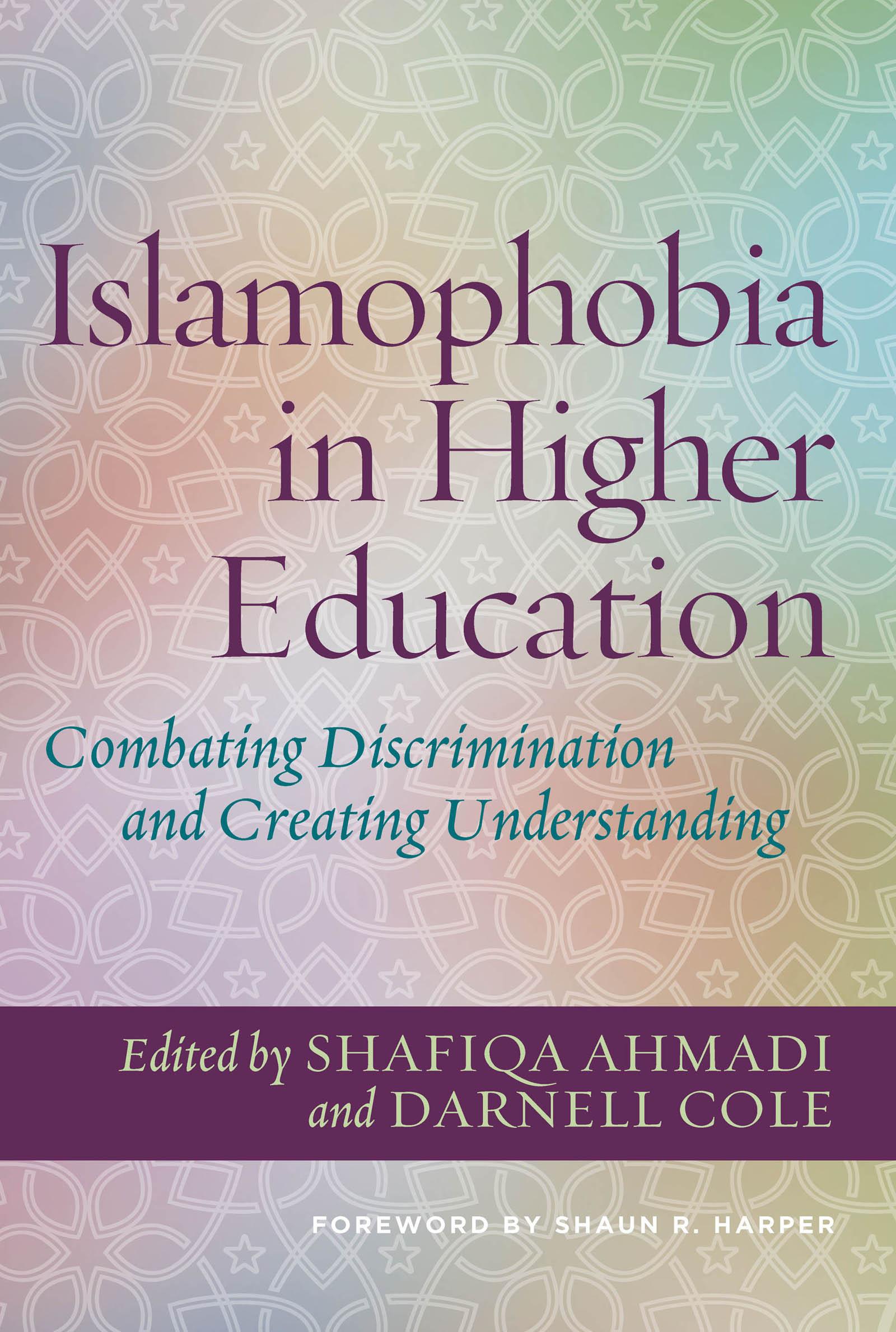
While Islamophobia was present in our society before 9/11, it has become more pervasive in recent years. This is evidenced by the current social and political climate, hate speech and hate crimes directed at Muslims, and the Supreme Court’s upholding of Presidential Proclamation 645 that effectively bans Muslim immigration from coming to the U.S. What does this mean for Muslim students in college, and indeed for institutions of higher education as they navigate law and policy on the one hand and adhere to their mission of achieving inclusive and equitable educational environments on the other? Two thirds of Muslims in the U.S. are vexed with current policy, and there has been an alarming increase in reports of bigotry and discrimination against them since the 2016 presidential elections. The fear of Islam, in general, and Muslims, specifically, not only compels non-Muslims to differentially treat Muslims, but also trade some of their own civil rights and civil liberties under the guise of national security. To address these issues, institutions require a nuanced understanding of laws and policies that institutionalize Islamophobia, and a greater understanding of the diverse college students that identify as Muslim. This book fills what has been a dearth of research that explores the experiences and navigation of Muslim students in colleges and universities, and addresses the even less studied domain of the experiences of Muslim students who hold multiple marginalized identities -- such as race, ethnicity, and LGBTQ status – as well as the intersection of those identities that may create multiple burdens of oppression and discrimination. This book begins by critically engaging with how current laws and policies institutionalize Islamophobia and affect the intersectionality and diversity within the Muslim community. It includes multidisciplinary voices, such as an international human rights attorney, a civil rights attorney, a criminal law attorney, student affairs practitioners, and research faculty whose work on this marginalized student population is traditionally not recognized within academic settings; and brings the voices of female Muslim scholars to the fore. Each chapter includes a critical analysis of the literature, a legal analysis when appropriate, a set of recommendations for policy and practice, and discussion questions.
Before Memmo my notes were scattered across PDFs. Now a workspace pulls everything into one place — I see exactly what's still left to study.
Memmo's summaries are gold before exams. I don't have to re-read 800 pages two weeks before — just the important parts.
The AI chat has saved me the night before an exam more than once. I just keep asking until I get it — no waiting on a study group to reply.
The quizzes hit exactly what I need to know. Memmo tracks what I get stuck on — so I only practice what's worth it.
Flashcards with spaced repetition are magic. Memmo knows when I'm about to forget something and brings it back.
The AI podcasts are my favorite. I listen on my way to school and get a recap without sitting at a computer.

Handbok i kvalitativa metoder
281 kr

Hållbar utveckling: en introduktion för ingenjörer och andra problemlösare
334 kr

Brymans Samhällsvetenskapliga metoder
390 kr

Projektledning
491 kr

Den orättvisa hälsan: om socioekonomiska skillnader i hälsa och livslängd
326 kr

Vetenskapsteori för nybörjare
196 kr

Organizational Leadership
429 kr

På väg mot läraryrket
172 kr

Det sociala livet i skolan: Socialpsykologiska perspektiv
253 kr

Betygsättningens didaktik
151 kr

Personality
402 kr

Studying Leadership
404 kr

Managing Innovation
477 kr

Introduktion till samhällsvetenskaplig metod
347 kr

The Psychology of Sex and Gender
698 kr

Evidens och kunskap för socialt arbete
207 kr

Introduction to Leadership
605 kr