
Before Memmo my notes were scattered across PDFs. Now a workspace pulls everything into one place — I see exactly what's still left to study.
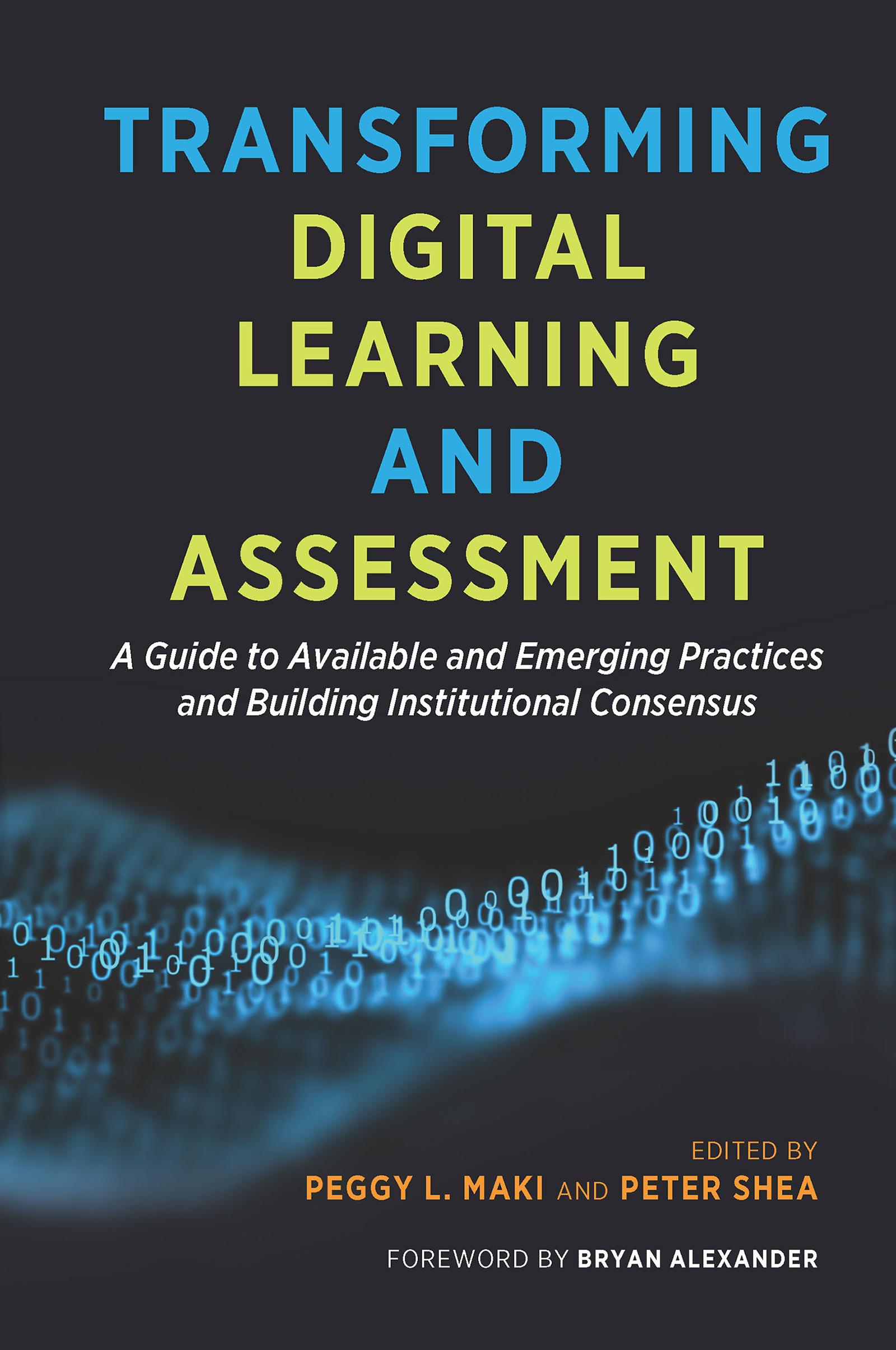
Responding to both the trend towards increasing online enrollments as the demand for face-to-face education declines, and to the immediate surge in remote learning owing to the COVID-19 pandemic, this book provides vital guidance to higher education institutions on how to develop faculty capacity to teach online and to leverage the affordances of an ever-increasing array of new and emerging learning technologies.This book provides higher education leaders with the context they need to position their institutions in the changing online environment, and with guidance to build support in a period of transition.It is intended for campus leaders and administrators who work with campus teams charged with identifying learning technologies to meet an agreed upon program- or institution-level educational needs; for those coordinating across campus to build consensus on implementing online strategies; and for instructional designers, faculty developers and assessment directors who assist departments and faculty effectively integrate learning technologies into their courses and programs. It will also appeal to faculty who take an active interest in improving online teaching.The contributors to this volume describe the potential of artificial intelligence algorithms, such as those that fuel learning analytics software that mines LMS data to enable faculty to quickly and efficiently assess individual students’ progress in real time, prompting either individual attention or the need to more generally clarify concepts for the class as whole. They describe and provide access to a hybrid professional development MOOC and an associated WIKI that curate information about a wide range of learning software solutions currently available; and present case studies that offer guidance on building the buy-in and consensus needed to successfully integrate learning technologies into course, program- and institution-level contexts.In sum, this book provides readers with a comprehensive understanding of the technological capabilities available to them and identifies collaborative processes related to engaging and building institutional support for the changes needed to provide the rapidly growing demand for effective and evidence-based online learning.
Before Memmo my notes were scattered across PDFs. Now a workspace pulls everything into one place — I see exactly what's still left to study.
Memmo's summaries are gold before exams. I don't have to re-read 800 pages two weeks before — just the important parts.
The AI chat has saved me the night before an exam more than once. I just keep asking until I get it — no waiting on a study group to reply.
The quizzes hit exactly what I need to know. Memmo tracks what I get stuck on — so I only practice what's worth it.
Flashcards with spaced repetition are magic. Memmo knows when I'm about to forget something and brings it back.
The AI podcasts are my favorite. I listen on my way to school and get a recap without sitting at a computer.

Handbok i kvalitativa metoder
281 kr

Hållbar utveckling: en introduktion för ingenjörer och andra problemlösare
334 kr

Brymans Samhällsvetenskapliga metoder
390 kr

Projektledning
491 kr

Den orättvisa hälsan: om socioekonomiska skillnader i hälsa och livslängd
326 kr

Vetenskapsteori för nybörjare
196 kr

Organizational Leadership
429 kr

På väg mot läraryrket
172 kr

Det sociala livet i skolan: Socialpsykologiska perspektiv
253 kr

Betygsättningens didaktik
151 kr

Personality
402 kr

Studying Leadership
404 kr

Managing Innovation
477 kr

Introduktion till samhällsvetenskaplig metod
347 kr

The Psychology of Sex and Gender
698 kr

Evidens och kunskap för socialt arbete
207 kr

Introduction to Leadership
605 kr