
Before Memmo my notes were scattered across PDFs. Now a workspace pulls everything into one place — I see exactly what's still left to study.
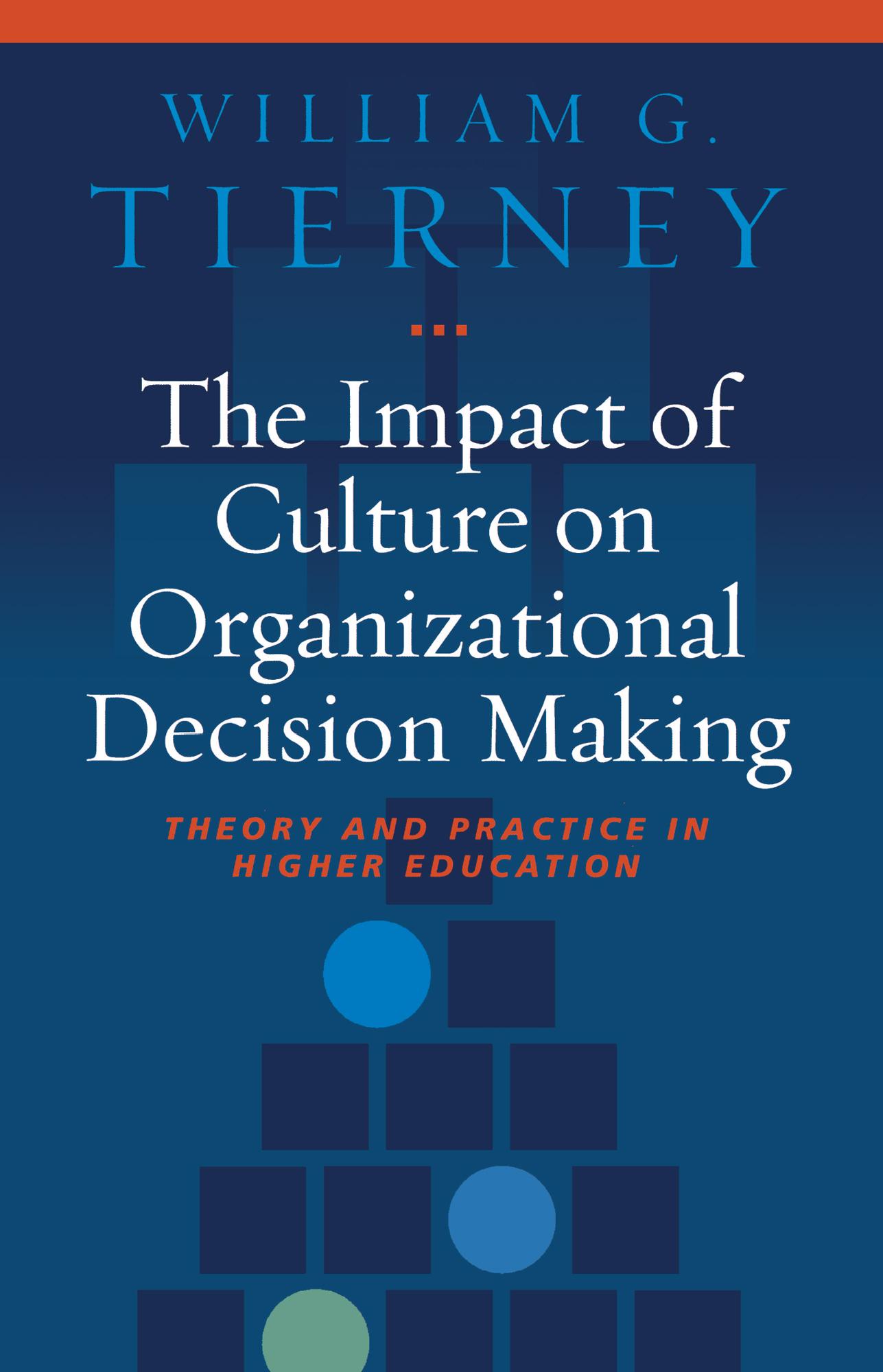
Colleges and universities are currently undergoing the most significant challenges they have faced since World War II. Rising costs, increased competition from for-profit providers, the impact of technology, and the changing desires and needs of consumers have combined to create a dynamic tension for those who work in, and study, postsecondary education. What worked yesterday is unlikely to work tomorrow. The status quo or bromides such as “stay the course” are insufficient responses in a market that demands creativity and innovation if an organization does not simply wish to survive, but thrive.Managerial responses or top-down linear decisions are antithetical to academic organizations and most likely recipes for disaster. In today’s “flat world”, decision-making for most organizations has become less hierarchical and more decentralized. Understanding this trend is of particular importance for organizations with traditions of shared governance. The message of this book is that understanding organizational culture is critical for those who recognize that academe must change, but are unsure how to make that change happen. Even the most seasoned college and university administrators and professors often ask themselves, “What holds this place together?” The author’s answer is that an organization’s culture is the glue of academic life. Paradoxically, this “glue” does not make things get stuck, but unstuck. An understanding of culture enables an organization’s participants to interpret the institution to themselves and others, and in consequence, to propel the institution forward.An organization’s culture is reflected in what is done, how it is done, and who is involved in doing it. It concerns decisions, actions, and communication on an instrumental and symbolic level. This book considers various facets of academic culture, discusses how to study it, how to analyze it, and how to improve it in order to move colleges and universities aggressively into the future while maintaining core academic values. This book presents updated versions of eight key articles on organizational culture in higher education by William G. Tierney. The new introduction that sets them in the context of current and future challenges will add further value to articles that are already in high demand.
Before Memmo my notes were scattered across PDFs. Now a workspace pulls everything into one place — I see exactly what's still left to study.
Memmo's summaries are gold before exams. I don't have to re-read 800 pages two weeks before — just the important parts.
The AI chat has saved me the night before an exam more than once. I just keep asking until I get it — no waiting on a study group to reply.
The quizzes hit exactly what I need to know. Memmo tracks what I get stuck on — so I only practice what's worth it.
Flashcards with spaced repetition are magic. Memmo knows when I'm about to forget something and brings it back.
The AI podcasts are my favorite. I listen on my way to school and get a recap without sitting at a computer.

Handbok i kvalitativa metoder
281 kr

Hållbar utveckling: en introduktion för ingenjörer och andra problemlösare
334 kr

Brymans Samhällsvetenskapliga metoder
390 kr

Projektledning
491 kr

Den orättvisa hälsan: om socioekonomiska skillnader i hälsa och livslängd
326 kr

Vetenskapsteori för nybörjare
196 kr

Organizational Leadership
429 kr

På väg mot läraryrket
172 kr

Det sociala livet i skolan: Socialpsykologiska perspektiv
253 kr

Betygsättningens didaktik
151 kr

Personality
402 kr

Studying Leadership
404 kr

Managing Innovation
477 kr

Introduktion till samhällsvetenskaplig metod
347 kr

The Psychology of Sex and Gender
698 kr

Evidens och kunskap för socialt arbete
207 kr

Introduction to Leadership
605 kr