
Before Memmo my notes were scattered across PDFs. Now a workspace pulls everything into one place — I see exactly what's still left to study.
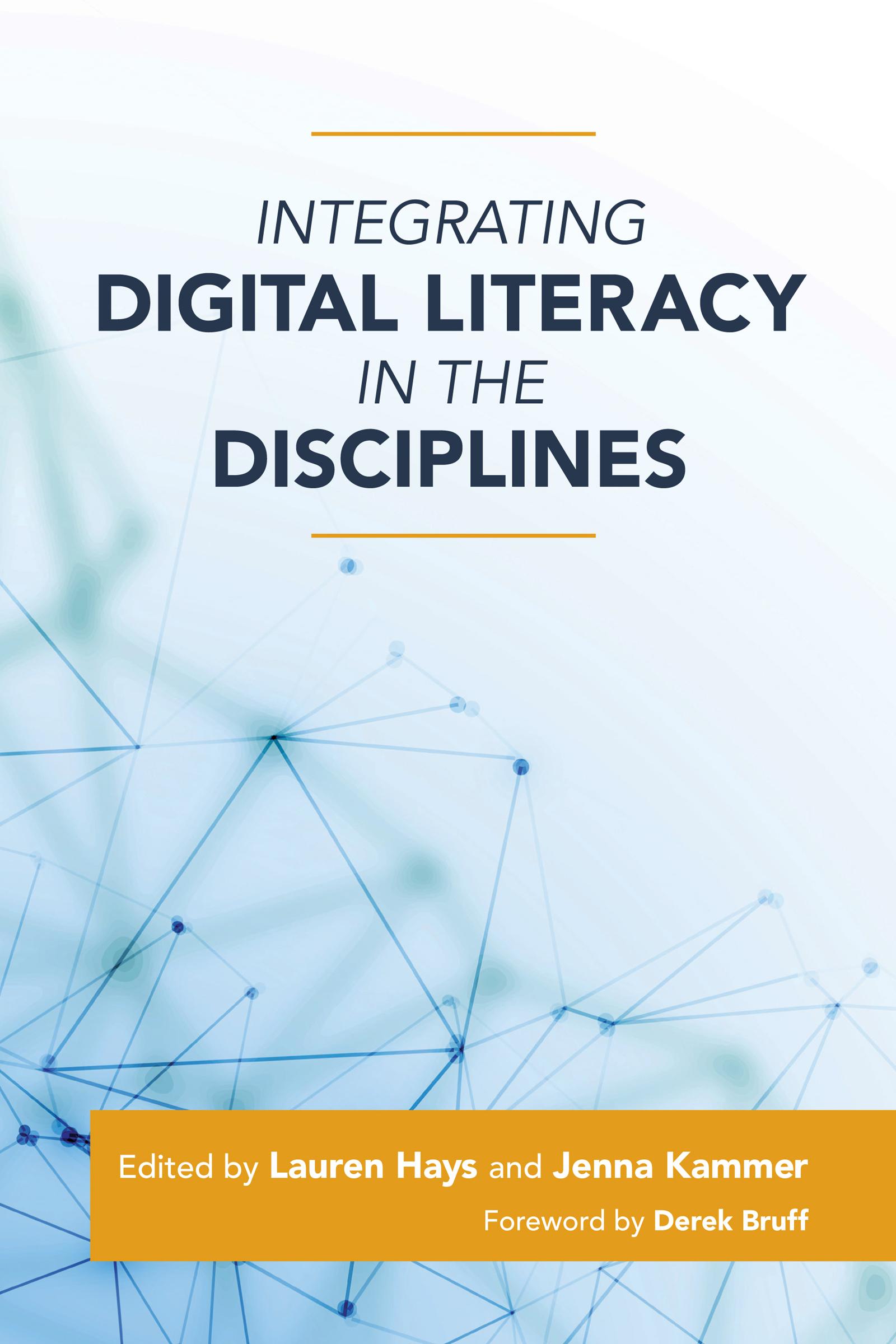
Digital literacy has become the vital competency that students need to master before graduating. This book provides rich examples of how to integrate it in disciplinary courses.While many institutions are developing introductory courses to impart universal literacy (skills students need to know) and creative literacy (skills for creating new content), discipline-specific skills (skills needed to succeed within a specific discipline) are a vital extension to their learning and ability to apply digital literacy in different contexts. This book provides examples of how to integrate digital literacy across a wide variety of courses spanning many domains.Rather than a wholly new core institutional outcome, digital literacy adds to the development of critical thinking, communication, problem-solving, and teamwork skills by building students’ capacities to assess online information so they can ethically share, communicate, or repurpose it through the appropriate use of available digital technologies. In short, it provides the vital digital dimension to their learning and the literacy skills which will be in increasing demand in their future lives.Following introductory chapters providing context and a theoretical framework, the contributing authors from different disciplines share the digital competencies and skills needed within their fields, the strategies they use to teach them, and insights about the choices they made. What shines through the examples is that, regardless of the specificity of the disciplinary examples, they offer all readers a commonality of approach and a trove of ideas that can be adapted to other contexts.This book constitutes a practical introduction for faculty interested in including opportunities to apply digital literacy to discipline-specific content. The book will benefit faculty developers and instructional designers who work with disciplinary faculty to integrate digital literacy. The book underscores the importance of preparing students at the course level to create, and be assessed on, digital content as fields are modernizing and delivery formats of assignments are evolving.Domains covered include digital literacy in teacher education, writing, musicology, indigenous literary studies, communications, journalism, business information technology, strategic management, chemistry, biology, health sciences, optometry, school librarianship, and law.The book demonstrates a range of approaches that can used to teach digital literacy skills in the classroom, including:·Progressing from digital literacy to digital fluency ·Increasing digital literacy by creating digital content · Assessment of digital literacy ·Identifying ethical considerations with digital literacy ·Sharing digital content outside of the classroom ·Identifying misinformation in digital communications ·Digitizing instructional practices, like lab notes and essays ·Reframing digital literacy from assumption to opportunity ·Preparing students to teach digital literacy to others ·Collaborating with other departments on campus to support digital literacy instruction ·Incorporating media into digital literacy (digital media literacy) ·Using digital storytelling and infographics to teach content knowledge] ·Weaving digital literacy throughout the curriculum of a program, and with increasing depth
Before Memmo my notes were scattered across PDFs. Now a workspace pulls everything into one place — I see exactly what's still left to study.
Memmo's summaries are gold before exams. I don't have to re-read 800 pages two weeks before — just the important parts.
The AI chat has saved me the night before an exam more than once. I just keep asking until I get it — no waiting on a study group to reply.
The quizzes hit exactly what I need to know. Memmo tracks what I get stuck on — so I only practice what's worth it.
Flashcards with spaced repetition are magic. Memmo knows when I'm about to forget something and brings it back.
The AI podcasts are my favorite. I listen on my way to school and get a recap without sitting at a computer.

Handbok i kvalitativa metoder
281 kr

Hållbar utveckling: en introduktion för ingenjörer och andra problemlösare
334 kr

Brymans Samhällsvetenskapliga metoder
390 kr

Projektledning
491 kr

Den orättvisa hälsan: om socioekonomiska skillnader i hälsa och livslängd
326 kr

Organizational Leadership
429 kr

Vetenskapsteori för nybörjare
196 kr

På väg mot läraryrket
172 kr

Det sociala livet i skolan: Socialpsykologiska perspektiv
253 kr

Betygsättningens didaktik
151 kr

Personality
402 kr

Studying Leadership
404 kr

Managing Innovation
477 kr

Introduktion till samhällsvetenskaplig metod
347 kr

The Psychology of Sex and Gender
698 kr

Evidens och kunskap för socialt arbete
207 kr

Introduction to Leadership
605 kr