
Before Memmo my notes were scattered across PDFs. Now a workspace pulls everything into one place — I see exactly what's still left to study.
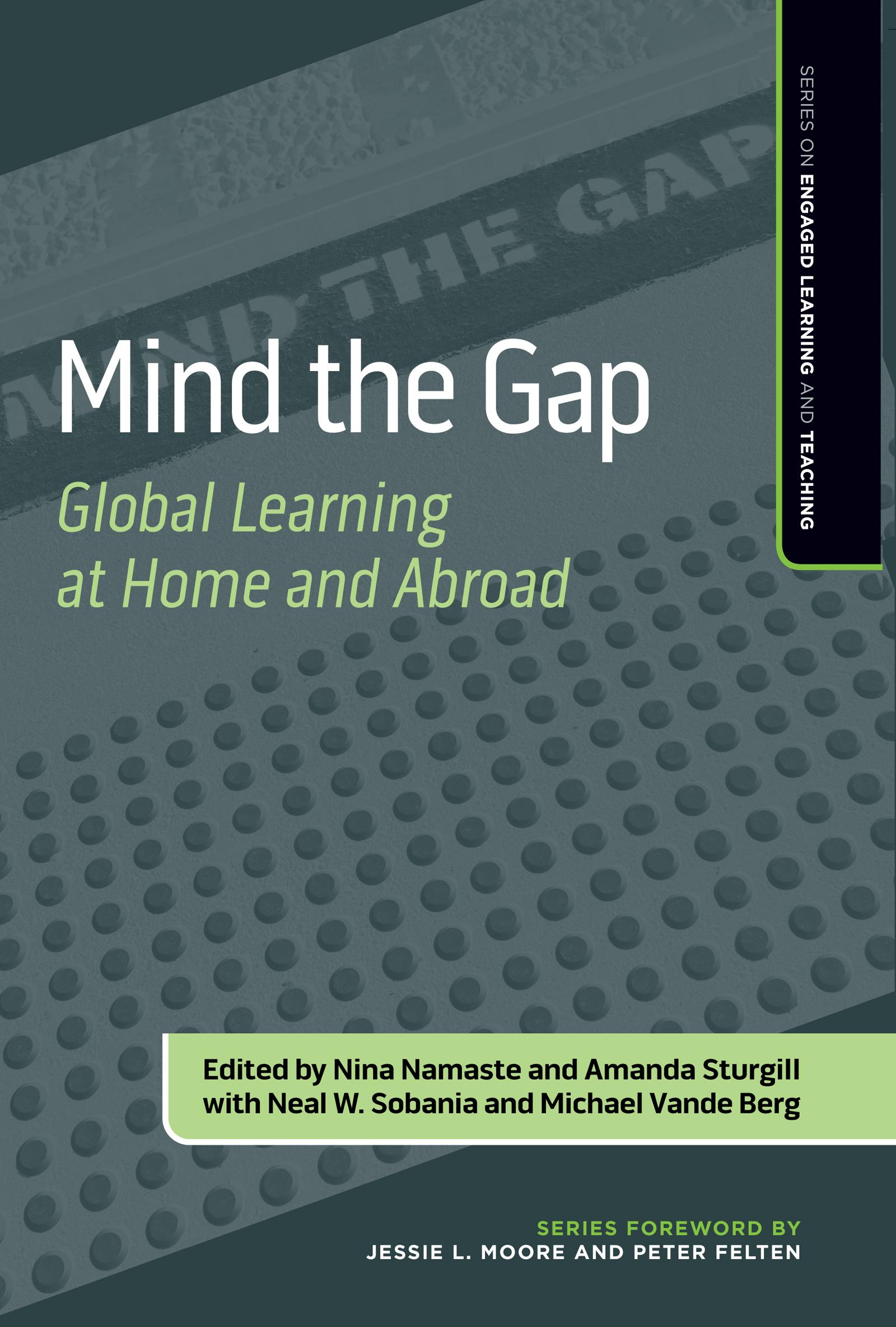
There is growing awareness that global learning is not confined to university, credit-bearing off campus international programs, and that institutions of higher learning have, up until now, conceived of global education too narrowly. Global learning through study abroad and off-campus domestic study fits into a larger context of students’ educational experiences. You can find global learning as part of other high-impact practices; domestic off-campus programs, undergraduate research, and service- or community-based learning all can be global learning opportunities. On-campus global learning can occur in the disciplines and in the core curriculum as well. Language and culture, anthropology, sociology, and other departments, multicultural centers, and diversity and inclusivity offices, to name a few, also teach students to be global learners. Global learning pertains to the many staff and faculty educators who intentionally encourage students to engage with and successfully navigate difference. Thus, there is a growing need for bridging across disciplinary and administrative silos, silos that are culturally bound within academia. The gaps between these silos matter as students seek to integrate off- and on-campus learning. Higher education needs a new, holistic assessment of global learning.
This book investigates not just student learning, but also faculty experiences, program structures, and pathways that impact global learning, and expands the context of global learning to show its antecedents and impacts as a part of the larger higher education experience. Chapters look at recent developments such as short-term, off-campus, international study and certificate/medallion programs, as well as blended learning environments and undergraduate research, all in the context of multi-institutional comparisons. Global learning is also situated in a larger university context.
A Series on Engaged Learning and Teaching Book. Visit the books’ companion website, hosted by the Center for Engaged Learning, for book resources.
Before Memmo my notes were scattered across PDFs. Now a workspace pulls everything into one place — I see exactly what's still left to study.
Memmo's summaries are gold before exams. I don't have to re-read 800 pages two weeks before — just the important parts.
The AI chat has saved me the night before an exam more than once. I just keep asking until I get it — no waiting on a study group to reply.
The quizzes hit exactly what I need to know. Memmo tracks what I get stuck on — so I only practice what's worth it.
Flashcards with spaced repetition are magic. Memmo knows when I'm about to forget something and brings it back.
The AI podcasts are my favorite. I listen on my way to school and get a recap without sitting at a computer.

Handbok i kvalitativa metoder
281 kr

Hållbar utveckling: en introduktion för ingenjörer och andra problemlösare
334 kr

Brymans Samhällsvetenskapliga metoder
390 kr

Projektledning
491 kr

Den orättvisa hälsan: om socioekonomiska skillnader i hälsa och livslängd
326 kr

Organizational Leadership
429 kr

Vetenskapsteori för nybörjare
196 kr

På väg mot läraryrket
172 kr

Det sociala livet i skolan: Socialpsykologiska perspektiv
253 kr

Betygsättningens didaktik
151 kr

Personality
402 kr

Studying Leadership
404 kr

Managing Innovation
477 kr

Introduktion till samhällsvetenskaplig metod
347 kr

The Psychology of Sex and Gender
698 kr

Evidens och kunskap för socialt arbete
207 kr

Introduction to Leadership
605 kr