
Before Memmo my notes were scattered across PDFs. Now a workspace pulls everything into one place — I see exactly what's still left to study.
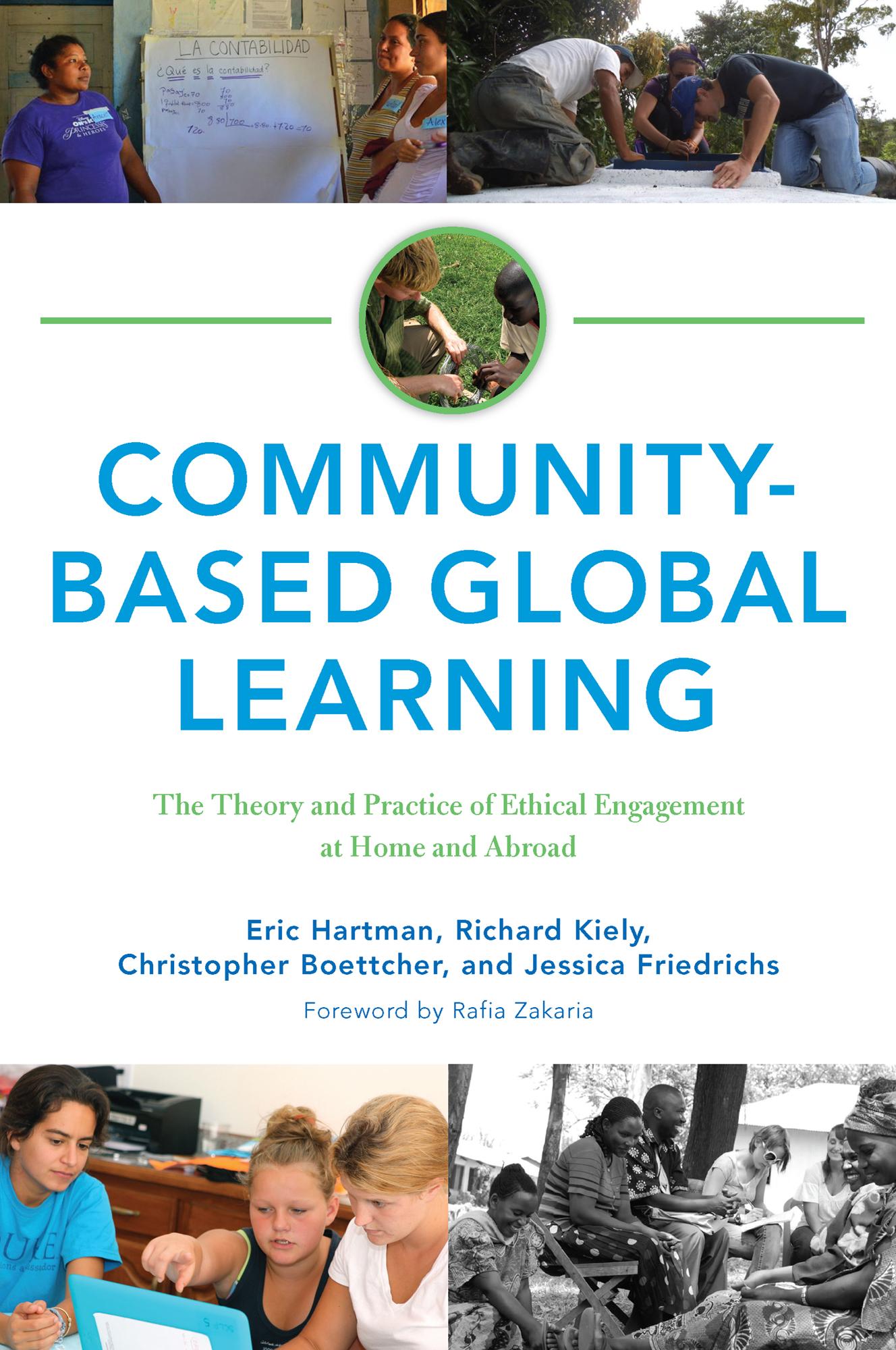
International education, service-learning, and community-based global learning programs are robust with potential. They can positively impact communities, grow civil society networks, and have transformative effects for students who become more globally aware and more engaged in global civil society – at home and abroad. Yet such programs are also packed with peril. Clear evidence indicates that poor forms of such programming have negative impacts on vulnerable persons, including medical patients and children, while cementing stereotypes and reinforcing patterns of privilege and exclusion. These dangers can be mitigated, however, through collaborative planning, design, and evaluation that advances mutually beneficial community partnerships, critically reflective practice, thoughtful facilitation, and creative use of resources. Drawing on research and insights from several academic disciplines and community partner perspectives, along with the authors’ decades of applied, community-based development and education experience, they present a model of community-based global learning that clearly espouses an equitable balance between learning methodology and a community development philosophy.Emphasizing the key drivers of community-driven learning and service, cultural humility and exchange, seeking global citizenship, continuous and diverse forms of critically reflective practice, and ongoing attention to power and privilege, this book constitutes a guide to course or program design that takes into account the unpredictable and dynamic character of domestic and international community-based global learning experiences, the varying characteristics of destination communities, and a framework through which to integrate any discipline or collaborative project. Readers will appreciate the numerous toolboxes and reflective exercises to help them think through the creation of independent programming or courses that support targeted learning and community-driven development. The book ultimately moves beyond course and program design to explore how to integrate these objectives and values in the wider curriculum and throughout formal and informal community-based learning partnerships.
Before Memmo my notes were scattered across PDFs. Now a workspace pulls everything into one place — I see exactly what's still left to study.
Memmo's summaries are gold before exams. I don't have to re-read 800 pages two weeks before — just the important parts.
The AI chat has saved me the night before an exam more than once. I just keep asking until I get it — no waiting on a study group to reply.
The quizzes hit exactly what I need to know. Memmo tracks what I get stuck on — so I only practice what's worth it.
Flashcards with spaced repetition are magic. Memmo knows when I'm about to forget something and brings it back.
The AI podcasts are my favorite. I listen on my way to school and get a recap without sitting at a computer.

Handbok i kvalitativa metoder
281 kr

Hållbar utveckling: en introduktion för ingenjörer och andra problemlösare
334 kr

Brymans Samhällsvetenskapliga metoder
390 kr

Projektledning
491 kr

Den orättvisa hälsan: om socioekonomiska skillnader i hälsa och livslängd
326 kr

Organizational Leadership
429 kr

Vetenskapsteori för nybörjare
196 kr

På väg mot läraryrket
172 kr

Det sociala livet i skolan: Socialpsykologiska perspektiv
253 kr

Betygsättningens didaktik
151 kr

Personality
402 kr

Studying Leadership
404 kr

Managing Innovation
477 kr

Introduktion till samhällsvetenskaplig metod
347 kr

The Psychology of Sex and Gender
698 kr

Evidens och kunskap för socialt arbete
207 kr

Introduction to Leadership
605 kr