
Before Memmo my notes were scattered across PDFs. Now a workspace pulls everything into one place — I see exactly what's still left to study.
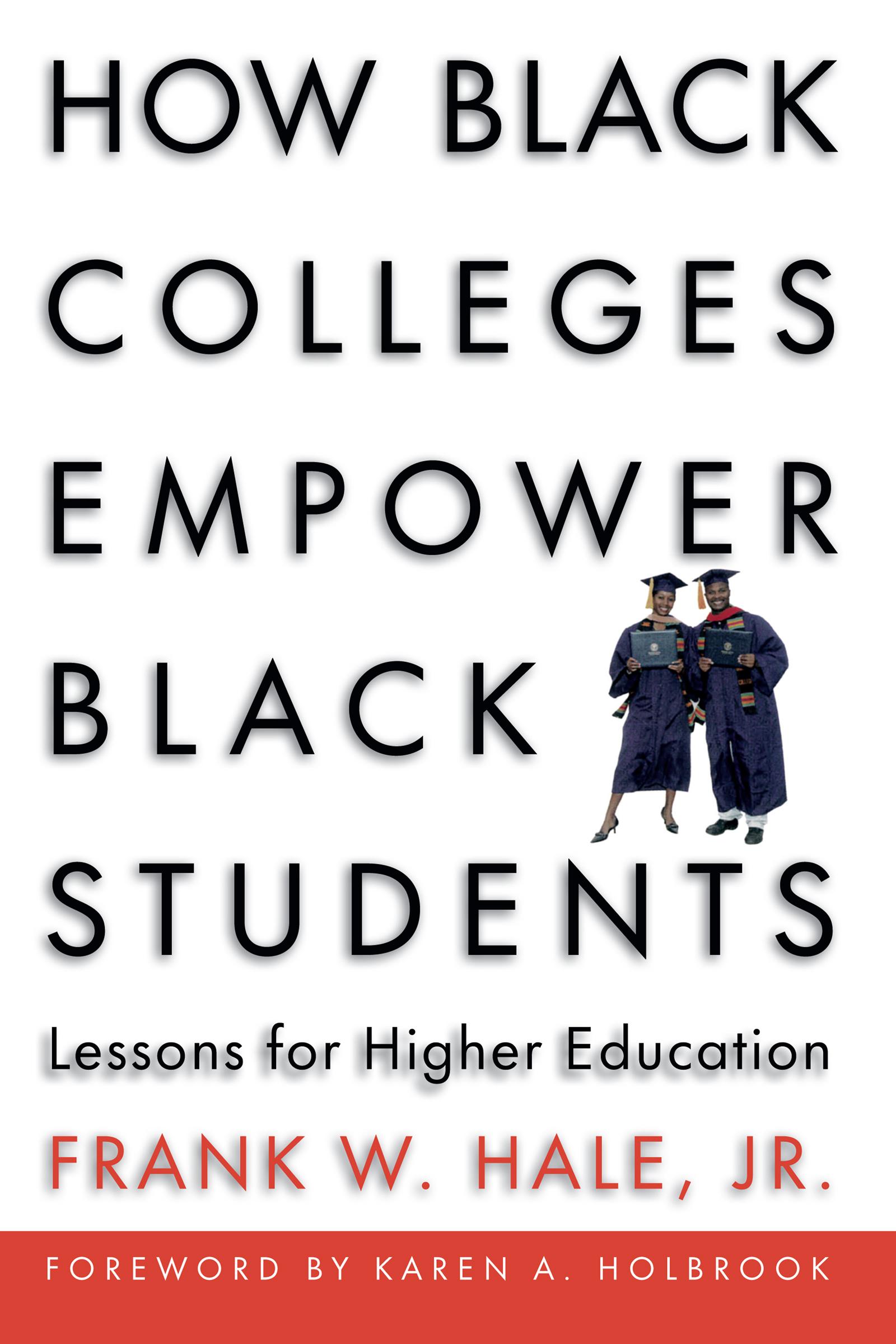
To their disadvantage, few Americans--and few in higher education--know much about the successes of historically Black colleges and universities. How is it that historically Black colleges graduate so many low-income and academically poorly prepared students? How do they manage to do so well with students "as they are", even when adopting open admissions policies?In this volume, contributors from a wide spectrum of Black colleges offer insights and examples of the policies and practice--such as retention strategies, co-curricular activities and approaches to mentoring--which underpin their disproportionate success with populations that too often fail in other institutions.This book also challenges the myth that these colleges are segregated institutions and that teachers of color are essential to minority student success. HBCUs employ large numbers of non-Black faculty who demonstrate the ability to facilitate the success of African American students.This book offers valuable lessons for faculty, faculty developers, student affairs personnel and administrators in the wider higher education community–lessons that are all the more urgent as they face a growing racially diverse student population.While, for HBCUs themselves, this book reaffirms the importance of their mission today, it also raises issues they must address to maintain the edge they have achieved.Contributors: Pamela G. Arrington; Delbert Baker; Susan Baker; Stanley F. Battle; T. J. Bryan; Terrolyn P. Carter; Ronnie L. Collins; Samuel DuBois Cook; Elaine Johnson Copeland; Marcela A. Copes; Quiester Craig; Lawrence A. Davis, Jr.; Frances C. Gordon; Frank W. Hale, Jr.; B. Denise Hawkins; Karen A. Holbrook; James E. Hunter; Frank L. Matthews; Henry Ponder; Anne S. Pruitt-Logan; Talbert O. Shaw; Orlando L. Taylor ; W. Eric Thomas; M. Rick Turner; Mervyn A. Warren; Charles V. Willie; James G. Wingate.
Before Memmo my notes were scattered across PDFs. Now a workspace pulls everything into one place — I see exactly what's still left to study.
Memmo's summaries are gold before exams. I don't have to re-read 800 pages two weeks before — just the important parts.
The AI chat has saved me the night before an exam more than once. I just keep asking until I get it — no waiting on a study group to reply.
The quizzes hit exactly what I need to know. Memmo tracks what I get stuck on — so I only practice what's worth it.
Flashcards with spaced repetition are magic. Memmo knows when I'm about to forget something and brings it back.
The AI podcasts are my favorite. I listen on my way to school and get a recap without sitting at a computer.

Handbok i kvalitativa metoder
281 kr

Hållbar utveckling: en introduktion för ingenjörer och andra problemlösare
334 kr

Brymans Samhällsvetenskapliga metoder
390 kr

Projektledning
491 kr

Den orättvisa hälsan: om socioekonomiska skillnader i hälsa och livslängd
326 kr

Organizational Leadership
429 kr

Vetenskapsteori för nybörjare
196 kr

På väg mot läraryrket
172 kr

Det sociala livet i skolan: Socialpsykologiska perspektiv
253 kr

Betygsättningens didaktik
151 kr

Personality
402 kr

Studying Leadership
404 kr

Managing Innovation
477 kr

Introduktion till samhällsvetenskaplig metod
347 kr

The Psychology of Sex and Gender
698 kr

Evidens och kunskap för socialt arbete
207 kr

Introduction to Leadership
605 kr