
Before Memmo my notes were scattered across PDFs. Now a workspace pulls everything into one place — I see exactly what's still left to study.
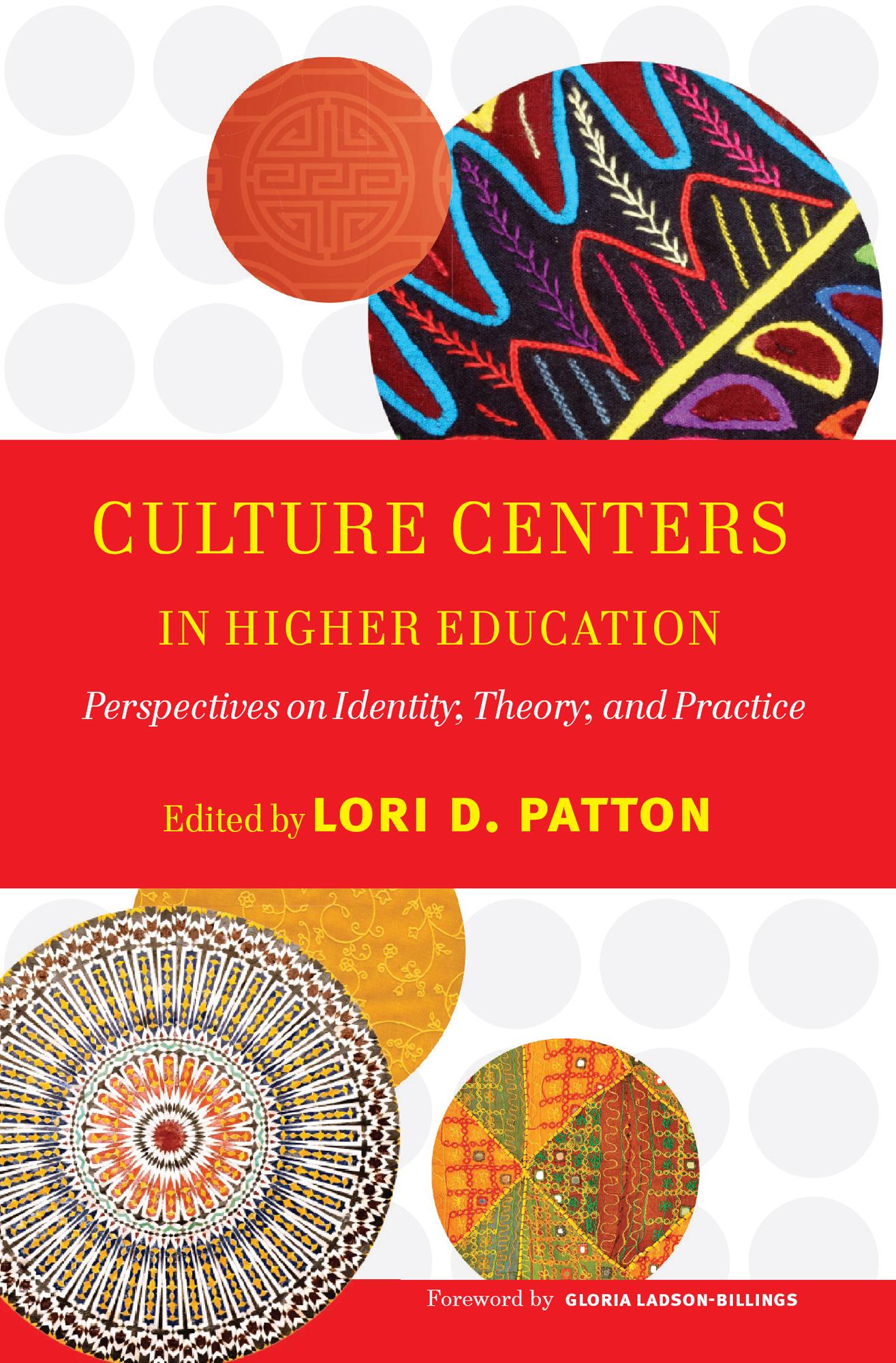
Are cultural centers ethnic enclaves of segregation, or safe havens that provide minority students with social support that promotes persistence and retention?Though Black cultural centers boast a 40-year history, there is much misinformation about them and the ethnic counterparts to which they gave rise. Moreover, little is known about their historical roots, current status, and future prospects. The literature has largely ignored the various culture center models, and the role that such centers play in the experiences of college students. This book fills a significant void in the research on ethnic minority cultural centers, offers the historic background to their establishment and development, considers the circumstances that led to their creation, examines the roles they play on campus, explores their impact on retention and campus climate, and provides guidelines for their management in the light of current issues and future directions.In the first part of this volume, the contributors provide perspectives on culture centers from the point of view of various racial/ethnic identity groups, Latina/o, Asian, American Indian, and African American. Part II offers theoretical perspectives that frame the role of culture centers from the point of view of critical race theory, student development theory, and a social justice framework. Part III focuses specifically on administrative and practice-oriented themes, addressing such issues as the relative merits of full- and part-time staff, of race/ethnic specific as opposed to multicultural centers, relations with the outside community, and integration with academic and student affairs to support the mission of the institution. For administrators and student affairs educators who are unfamiliar with these facilities, and want to support an increasingly diverse student body, this book situates such centers within the overall strategy of improving campus climate, and makes the case for sustaining them. Where none as yet exist, this book offers a rationale and blueprint for creating such centers. For leaders of culture centers this book constitutes a valuable tool for assessing their viability, improving their performance, and ensuring their future relevance – all considerations of increased importance when budgets and resources are strained. This book also provides a foundation for researchers interested in further investigating the role of these centers in higher education.
Before Memmo my notes were scattered across PDFs. Now a workspace pulls everything into one place — I see exactly what's still left to study.
Memmo's summaries are gold before exams. I don't have to re-read 800 pages two weeks before — just the important parts.
The AI chat has saved me the night before an exam more than once. I just keep asking until I get it — no waiting on a study group to reply.
The quizzes hit exactly what I need to know. Memmo tracks what I get stuck on — so I only practice what's worth it.
Flashcards with spaced repetition are magic. Memmo knows when I'm about to forget something and brings it back.
The AI podcasts are my favorite. I listen on my way to school and get a recap without sitting at a computer.

Handbok i kvalitativa metoder
281 kr

Hållbar utveckling: en introduktion för ingenjörer och andra problemlösare
334 kr

Brymans Samhällsvetenskapliga metoder
390 kr

Projektledning
491 kr

Den orättvisa hälsan: om socioekonomiska skillnader i hälsa och livslängd
326 kr

Vetenskapsteori för nybörjare
196 kr

Organizational Leadership
429 kr

På väg mot läraryrket
172 kr

Det sociala livet i skolan: Socialpsykologiska perspektiv
253 kr

Betygsättningens didaktik
151 kr

Personality
402 kr

Studying Leadership
404 kr

Managing Innovation
477 kr

Introduktion till samhällsvetenskaplig metod
347 kr

The Psychology of Sex and Gender
698 kr

Evidens och kunskap för socialt arbete
207 kr

Introduction to Leadership
605 kr