
Before Memmo my notes were scattered across PDFs. Now a workspace pulls everything into one place — I see exactly what's still left to study.
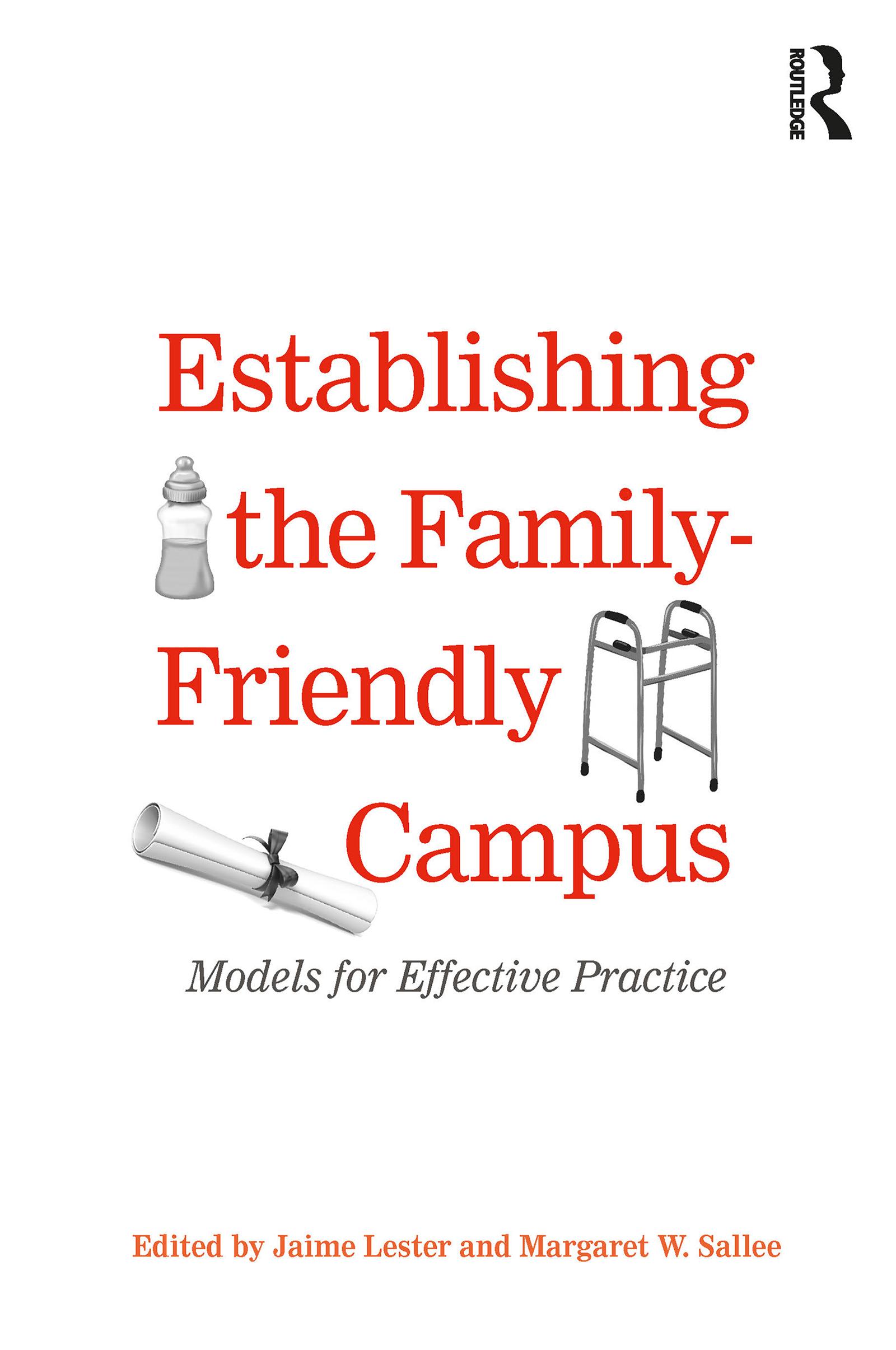
The impact of changing demographics in higher education, and the importance of family-friendly policies, is well documented. There is an urgent need to keep PhDs in the higher education sector, to recruit talented scholars into academia, and retain them over the course of their academic careers. The key is instituting policies to enable all constituencies to balance work and personal responsibilities.This book covers the range of issues faced by all generations in academe, from PhD students, to the “sandwich generation” (those caring for children and aging parents simultaneously) through to older faculty and administrators. It addresses the causes for women faculty with children leaving the academy at a disproportionately higher rate than men, the conflicts women face between academic work and motherhood, and the difficulties they encounter in reentering the academy after having left the professoriate. In examining the need for family-friendly policies, this book documents the “best practices” currently in use at institutions across the United States. Each chapter highlights practices and programs from a variety of institutions and institutional types that address the needs of a more inclusive family-friendly campus and offers suggestions to others who are implementing similar change on their campuses. These examples provide context so that readers no longer have to develop practices in isolation, and without evidence of their effectiveness.The editors suggest that the most successful campuses are those that utilize a work-life systems framework to meet the needs of its employees. They also point to future growth trends, including expanding the focus from faculty and staff to incorporate all in the campus communityThis book offers guidance to department chairs, deans, faculty, administrators, and graduate students on setting a family-friendly agenda, and models for implementation.Contributors include: Emily Arms -- Kathleen Beauchesne -- Jill Bickett -- Sharon A. Dannels -- Mariko Dawson Zare -- Karie Frasch -- Marc Goulden -- Jeni Hart -- Caryn Jung -- Jaime Lester -- Sharon A. McDade -- Jean McLaughlin -- Mary Ann Mason -- Sharon Page-Medrich -- Kate Quinn -- Margaret Sallee -- Randi Shapiro -- Angelica Stacy -- David L. Swihart -- Gloria D. Thomas -- Darci Thompson
Before Memmo my notes were scattered across PDFs. Now a workspace pulls everything into one place — I see exactly what's still left to study.
Memmo's summaries are gold before exams. I don't have to re-read 800 pages two weeks before — just the important parts.
The AI chat has saved me the night before an exam more than once. I just keep asking until I get it — no waiting on a study group to reply.
The quizzes hit exactly what I need to know. Memmo tracks what I get stuck on — so I only practice what's worth it.
Flashcards with spaced repetition are magic. Memmo knows when I'm about to forget something and brings it back.
The AI podcasts are my favorite. I listen on my way to school and get a recap without sitting at a computer.

Handbok i kvalitativa metoder
281 kr

Hållbar utveckling: en introduktion för ingenjörer och andra problemlösare
334 kr

Brymans Samhällsvetenskapliga metoder
390 kr

Projektledning
491 kr

Den orättvisa hälsan: om socioekonomiska skillnader i hälsa och livslängd
326 kr

Vetenskapsteori för nybörjare
196 kr

Organizational Leadership
429 kr

På väg mot läraryrket
172 kr

Det sociala livet i skolan: Socialpsykologiska perspektiv
253 kr

Betygsättningens didaktik
151 kr

Personality
402 kr

Studying Leadership
404 kr

Managing Innovation
477 kr

Introduktion till samhällsvetenskaplig metod
347 kr

The Psychology of Sex and Gender
698 kr

Evidens och kunskap för socialt arbete
207 kr

Introduction to Leadership
605 kr