
Before Memmo my notes were scattered across PDFs. Now a workspace pulls everything into one place — I see exactly what's still left to study.
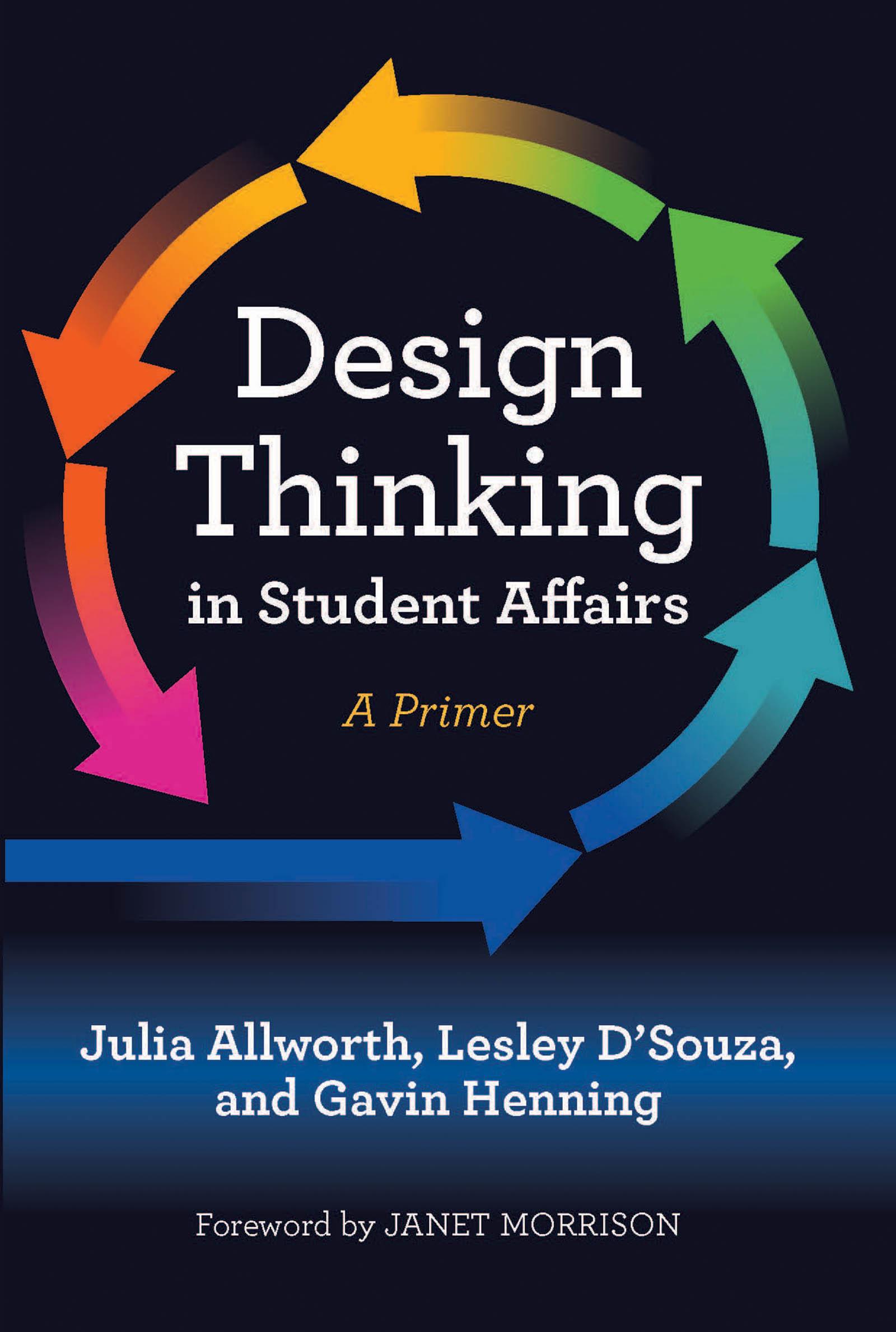
Design thinking is an innovative problem-solving framework. This introduction is the first book to apply its methodology to student affairs and, in doing so, points the way to its potentially wider value to higher education as a whole.With its focus on empathy, which is the need to thoroughly understand users’ experiences, design thinking is user-centered, similar to how student affairs is student-centered. Because the focus of design thinking is to design with users, not for users, it aligns well with student affairs practice. In addition, its focus on empathy makes design thinking a more equitable approach to problem-solving than other methods because all users’ experiences—not just the experiences of majority or “average” student—need to be understood. Centering empathy in problem-solving processes can be a tool to disrupt higher education systems and practices.Design thinking is a framework to foster innovation, and, by its nature, innovation is about responding to change factors with creativity. In an organization, design thinking is inherently connected to organizational change and culture because the process is really about changing people to help them rally around a disruptive idea. Implementing design thinking on a campus may in itself be disruptive and require a change management process. The beauty of using design thinking is that it can also act as a framework to support organizational culture change.Design thinking approaches, with their focus on stakeholder needs (as opposed to systemic norms), collaborative solutions building, and structured empathy activities can offer a concrete tool to disrupt harmful systems of power and oppression. Design thinking as a process is not a magic solution to equity problems, though it can be a powerful tool to approach the development of solutions that can address inequity. Design thinking is data-driven and considers both qualitative and quantitative data as necessary to gain most complete picture of an issue and its possible solutions, whether a product, program, or service.Design thinking has numerous benefits to afford students affairs. Chapter 1 outlines a case for design thinking in student affairs. Chapter 2 discusses a brief history of design thinking, noting its germination and evolution to current practice. Chapter 3 provides a detailed description of each step of the design thinking model with pertinent examples to make the steps clearer. Chapter 4 explains the intersection of equity and design thinking while chapter 5 explores the use of design thinking for organizational change. Chapter 6 presents a new model for design thinking assessment. Chapter 7 addresses the challenges and limitations of the process. Chapter 8 concludes the book by discussing the alignment of design thinking and student affairs and outlining next steps.Design thinking is an innovative process that can change the way higher education and student affairs operates, realizing the potential it offers.
Before Memmo my notes were scattered across PDFs. Now a workspace pulls everything into one place — I see exactly what's still left to study.
Memmo's summaries are gold before exams. I don't have to re-read 800 pages two weeks before — just the important parts.
The AI chat has saved me the night before an exam more than once. I just keep asking until I get it — no waiting on a study group to reply.
The quizzes hit exactly what I need to know. Memmo tracks what I get stuck on — so I only practice what's worth it.
Flashcards with spaced repetition are magic. Memmo knows when I'm about to forget something and brings it back.
The AI podcasts are my favorite. I listen on my way to school and get a recap without sitting at a computer.

Handbok i kvalitativa metoder
281 kr

Hållbar utveckling: en introduktion för ingenjörer och andra problemlösare
334 kr

Brymans Samhällsvetenskapliga metoder
390 kr

Projektledning
491 kr

Den orättvisa hälsan: om socioekonomiska skillnader i hälsa och livslängd
326 kr

Vetenskapsteori för nybörjare
196 kr

Organizational Leadership
429 kr

På väg mot läraryrket
172 kr

Det sociala livet i skolan: Socialpsykologiska perspektiv
253 kr

Betygsättningens didaktik
151 kr

Personality
402 kr

Studying Leadership
404 kr

Managing Innovation
477 kr

Introduktion till samhällsvetenskaplig metod
347 kr

The Psychology of Sex and Gender
698 kr

Evidens och kunskap för socialt arbete
207 kr

Introduction to Leadership
605 kr