
Before Memmo my notes were scattered across PDFs. Now a workspace pulls everything into one place — I see exactly what's still left to study.
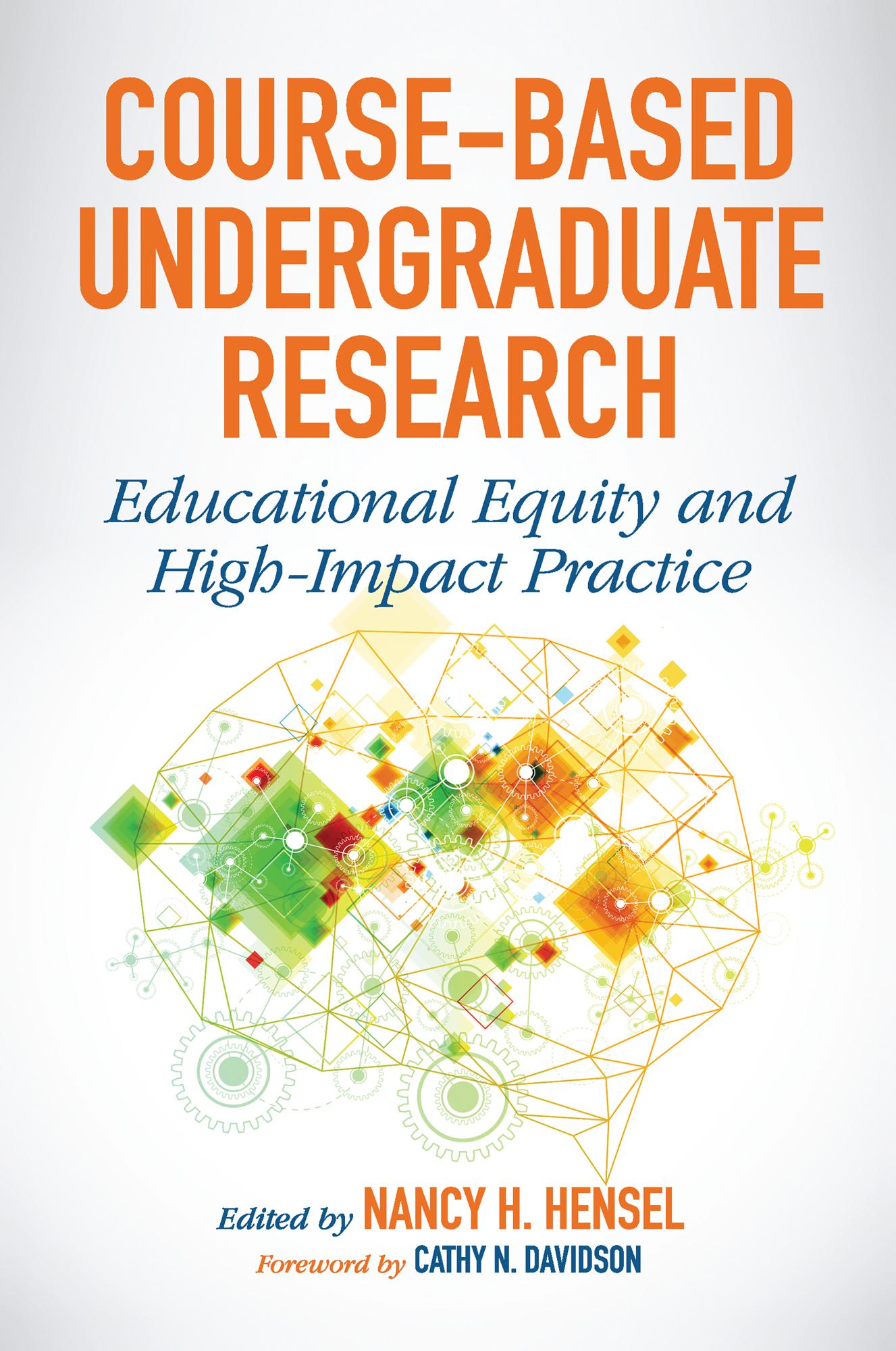
Co-published with the Council on Undergraduate Research Undergraduate research has long been recognized as a high-impact practice (HIP), but has unfortunately been offered only to juniors and seniors, and to very few of them (often in summer programs). This book shows how to engage students in authentic research experiences, built into the design of courses in the first two years, thus making the experience available to a much greater number of students.Research that is embedded in a course, especially general education courses, addresses the issue of how to expand undergraduate research to all students. Research has shown that students who have early experiences in undergraduate research are more likely to pursue further research prior to and after graduation. This is also an issue of social justice because it makes the benefits of undergraduate research available to students who must work during the academic year and in the summer. It is widely accepted that the skills developed through undergraduate research help prepare students for their future careers.The book addresses all aspects of the topic, including:- What are appropriate expectations for research in the first two years- How to design appropriate course-based research for first- and second-year students- How to mentor a class rather than individual students- How students can disseminate the results of their research- Possible citizen-science projects appropriate for the first and second years- Providing additional resources available to support course-based research in the first two yearsDesigned for faculty at four-year and two-year colleges – and including examples from the sciences, the social sciences, and the humanities – the strategies and methods described can be adapted to disciplines not specifically mentioned in the book.Many faculty are hesitant to engage first and second year students in undergraduate research because they worry students don’t know enough to conduct authentic research in their discipline, because they worry about the time it will take to develop activities for these students, and because they wonder how they can mentor a whole class of students doing research. The authors have successfully dealt with these issues, and provide examples of how it’s done.
Before Memmo my notes were scattered across PDFs. Now a workspace pulls everything into one place — I see exactly what's still left to study.
Memmo's summaries are gold before exams. I don't have to re-read 800 pages two weeks before — just the important parts.
The AI chat has saved me the night before an exam more than once. I just keep asking until I get it — no waiting on a study group to reply.
The quizzes hit exactly what I need to know. Memmo tracks what I get stuck on — so I only practice what's worth it.
Flashcards with spaced repetition are magic. Memmo knows when I'm about to forget something and brings it back.
The AI podcasts are my favorite. I listen on my way to school and get a recap without sitting at a computer.

Handbok i kvalitativa metoder
281 kr

Hållbar utveckling: en introduktion för ingenjörer och andra problemlösare
334 kr

Brymans Samhällsvetenskapliga metoder
390 kr

Projektledning
491 kr

Den orättvisa hälsan: om socioekonomiska skillnader i hälsa och livslängd
326 kr

Organizational Leadership
429 kr

Vetenskapsteori för nybörjare
196 kr

På väg mot läraryrket
172 kr

Det sociala livet i skolan: Socialpsykologiska perspektiv
253 kr

Betygsättningens didaktik
151 kr

Personality
402 kr

Studying Leadership
404 kr

Managing Innovation
477 kr

Introduktion till samhällsvetenskaplig metod
347 kr

The Psychology of Sex and Gender
698 kr

Evidens och kunskap för socialt arbete
207 kr

Introduction to Leadership
605 kr