
Before Memmo my notes were scattered across PDFs. Now a workspace pulls everything into one place — I see exactly what's still left to study.
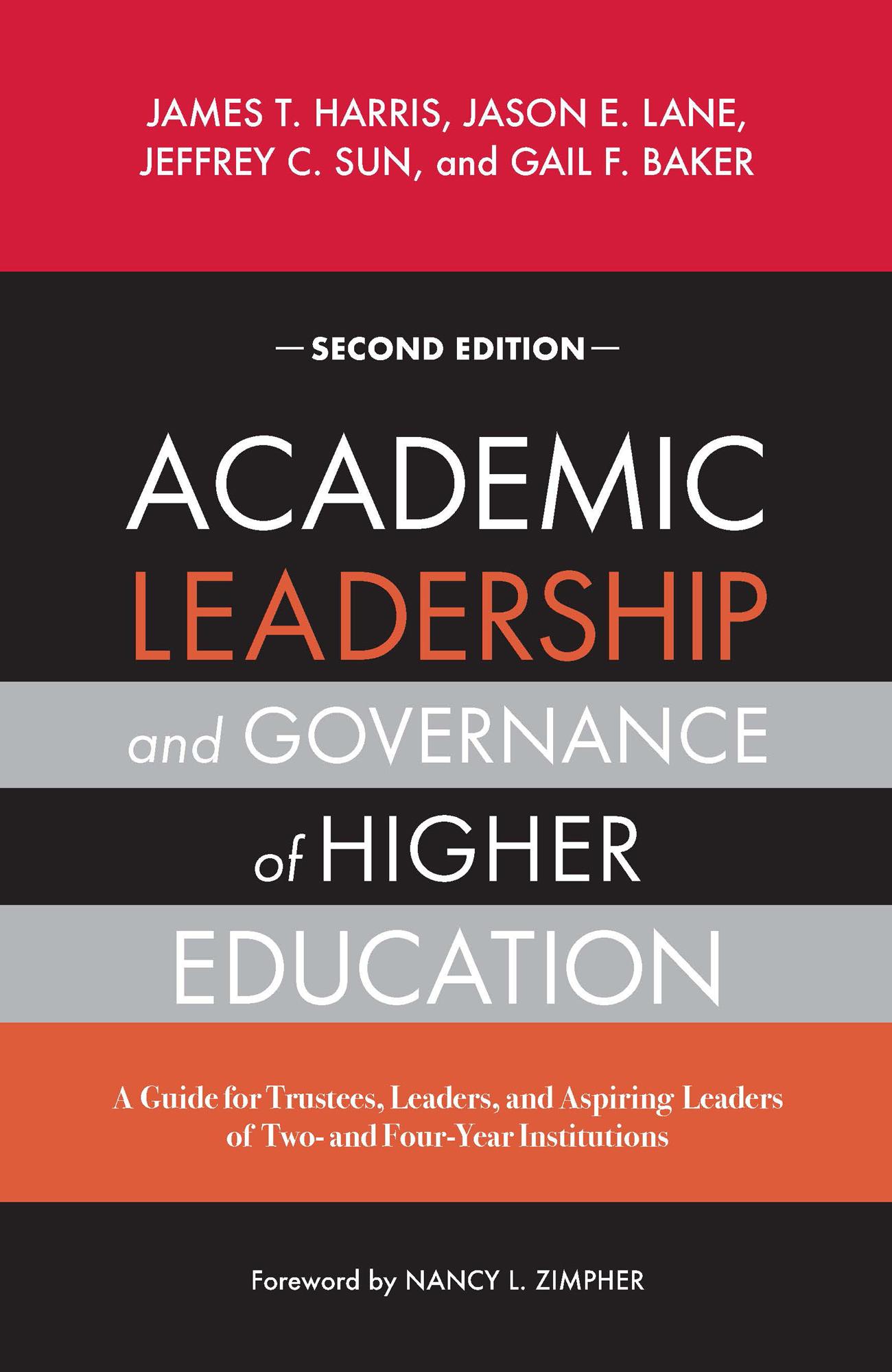
Winner of the 2012 ASHE/CAHEP Barbara Townsend Lecture AwardTo prosper and thrive in an increasingly unpredictable national and global environment, U.S. higher education will need to adapt, innovate, and evolve once again, as it has during every major societal change over the past four centuries.The purpose of this new edition, published a turbulent decade after the first, is to provide institutional leaders -- from department chairs to trustees -- with a broad understanding of the academic enterprise, strategic guidance, and key principles, to assist them in navigating the future and drive the success of their institutions as they confront the unimagined.Recognizing that the hallmark of higher education in the U.S. is the diversity of institution types, each of which is affected differently by external and internal influences, the authors provide examples and ideas drawn from the spectrum of colleges and universities in the not-for-profit sector.This book covers the major functions and constituent departments and units within institutions; the stakeholders from students and faculty through the echelons of administration; the external environment of elected officials, foundations, philanthropists, and the new changing media; and innovations in teaching, technology, data analytics, legal frameworks, as well as economic, demographic, and political pressures.The book is informed by the proposition that adhering to four principles--which the authors identify as having enabled institutions of higher education to successfully navigate ever-changing and volatile pasts--will enable them to flourish in the coming decades:The four principles are:1. Be mission centric by making all key decisions based on a core mission and set of values.2. Be able to adapt to environmental change in alignment with the mission and core values.3. Be committed to democratic ideals by seeking to promote them and modeling democratic practices on and off campus.4. Be models for inclusion, equity, and positive social change.
Before Memmo my notes were scattered across PDFs. Now a workspace pulls everything into one place — I see exactly what's still left to study.
Memmo's summaries are gold before exams. I don't have to re-read 800 pages two weeks before — just the important parts.
The AI chat has saved me the night before an exam more than once. I just keep asking until I get it — no waiting on a study group to reply.
The quizzes hit exactly what I need to know. Memmo tracks what I get stuck on — so I only practice what's worth it.
Flashcards with spaced repetition are magic. Memmo knows when I'm about to forget something and brings it back.
The AI podcasts are my favorite. I listen on my way to school and get a recap without sitting at a computer.

Handbok i kvalitativa metoder
281 kr

Hållbar utveckling: en introduktion för ingenjörer och andra problemlösare
334 kr

Brymans Samhällsvetenskapliga metoder
390 kr

Projektledning
491 kr

Den orättvisa hälsan: om socioekonomiska skillnader i hälsa och livslängd
326 kr

Vetenskapsteori för nybörjare
196 kr

Organizational Leadership
429 kr

På väg mot läraryrket
172 kr

Det sociala livet i skolan: Socialpsykologiska perspektiv
253 kr

Betygsättningens didaktik
151 kr

Personality
402 kr

Studying Leadership
404 kr

Managing Innovation
477 kr

Introduktion till samhällsvetenskaplig metod
347 kr

The Psychology of Sex and Gender
698 kr

Evidens och kunskap för socialt arbete
207 kr

Introduction to Leadership
605 kr