
Before Memmo my notes were scattered across PDFs. Now a workspace pulls everything into one place — I see exactly what's still left to study.
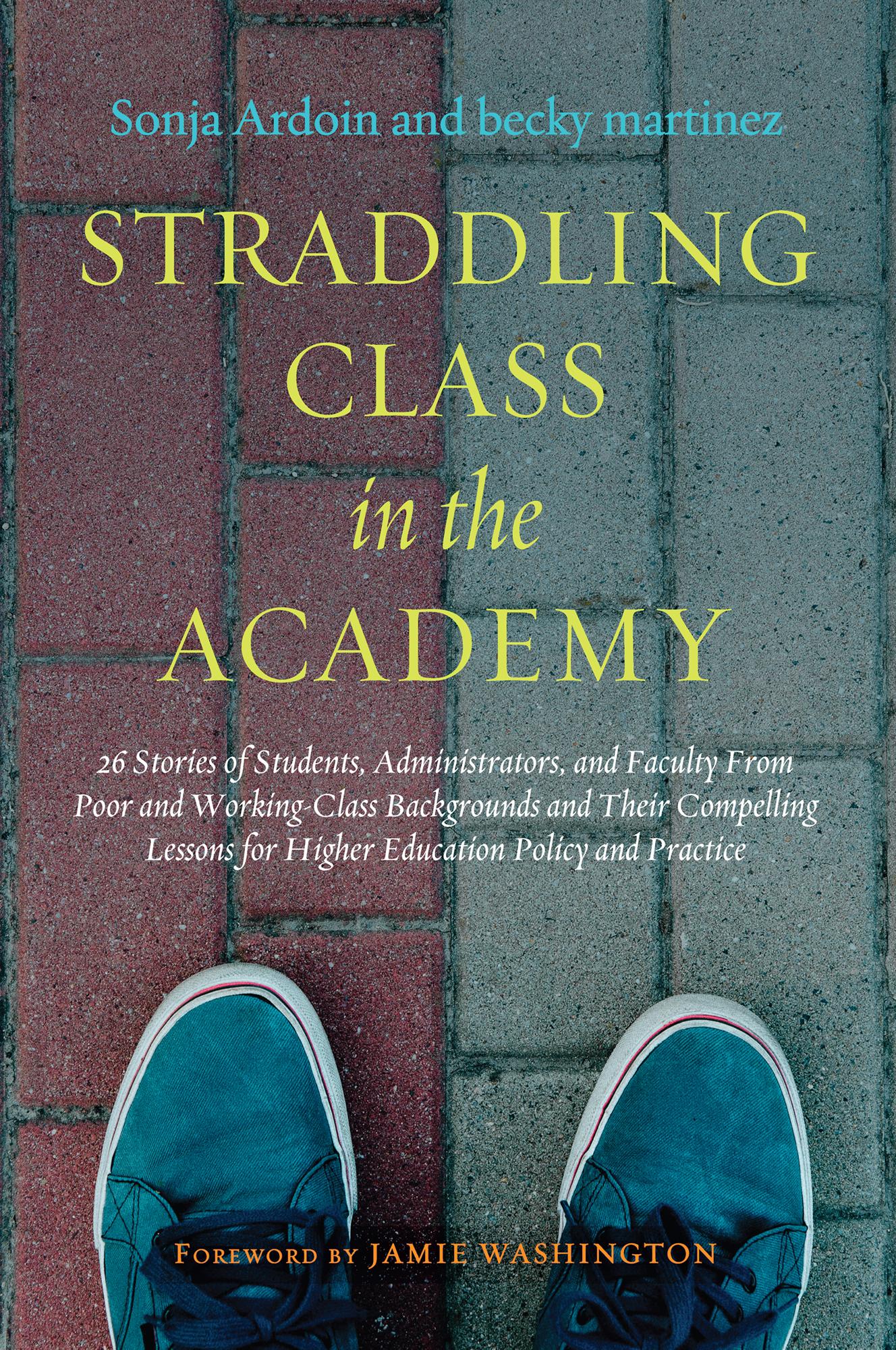
Why do we feel uncomfortable talking about class? Why is it taboo? Why do people often address class through coded terminology like trashy, classy, and snobby? How does discriminatory language, or how do conscious or unconscious derogatory attitudes, or the anticipation of such behaviors, impact those from poor and working class backgrounds when they straddle class? Through 26 narratives of individuals from poor and working class backgrounds – ranging from students, to multiple levels of administrators and faculty, both tenured and non-tenured – this book provides a vivid understanding of how people can experience and straddle class in the middle, upper, or even elitist class contexts of the academy.Through the powerful stories of individuals who hold many different identities--and naming a range of ways they identify in terms of race, ethnicity, gender, sexuality, age, ability, and religion, among others--this book shows how social class identity and classism impact people's experience in higher education and why we should focus more attention on this dimension of identity. The book opens by setting the foundation by examining definitions of class, discussing its impact on identity, and summarizing the literature on class and what it can tell us about the complexities of class identity, its fluidity, sometimes performative nature, and the sense of dissonance it can provoke.This book brings social class identity to the forefront of our consciousness, conversations, and behaviors and compels those in the academy to recognize classism and reimagine higher education to welcome and support those from poor and working class backgrounds. Its concluding chapter proposes means for both increasing social class consciousness and social class inclusivity in the academy. It is a compelling read for everyone in the academy, not least for those from poor or working class backgrounds who will find validation and recognition and draw strength from its vivid stories.
Before Memmo my notes were scattered across PDFs. Now a workspace pulls everything into one place — I see exactly what's still left to study.
Memmo's summaries are gold before exams. I don't have to re-read 800 pages two weeks before — just the important parts.
The AI chat has saved me the night before an exam more than once. I just keep asking until I get it — no waiting on a study group to reply.
The quizzes hit exactly what I need to know. Memmo tracks what I get stuck on — so I only practice what's worth it.
Flashcards with spaced repetition are magic. Memmo knows when I'm about to forget something and brings it back.
The AI podcasts are my favorite. I listen on my way to school and get a recap without sitting at a computer.

Handbok i kvalitativa metoder
281 kr

Hållbar utveckling: en introduktion för ingenjörer och andra problemlösare
334 kr

Brymans Samhällsvetenskapliga metoder
390 kr

Projektledning
491 kr

Den orättvisa hälsan: om socioekonomiska skillnader i hälsa och livslängd
326 kr

Organizational Leadership
429 kr

Vetenskapsteori för nybörjare
196 kr

På väg mot läraryrket
172 kr

Det sociala livet i skolan: Socialpsykologiska perspektiv
253 kr

Betygsättningens didaktik
151 kr

Personality
402 kr

Studying Leadership
404 kr

Managing Innovation
477 kr

Introduktion till samhällsvetenskaplig metod
347 kr

The Psychology of Sex and Gender
698 kr

Evidens och kunskap för socialt arbete
207 kr

Introduction to Leadership
605 kr