
Before Memmo my notes were scattered across PDFs. Now a workspace pulls everything into one place — I see exactly what's still left to study.
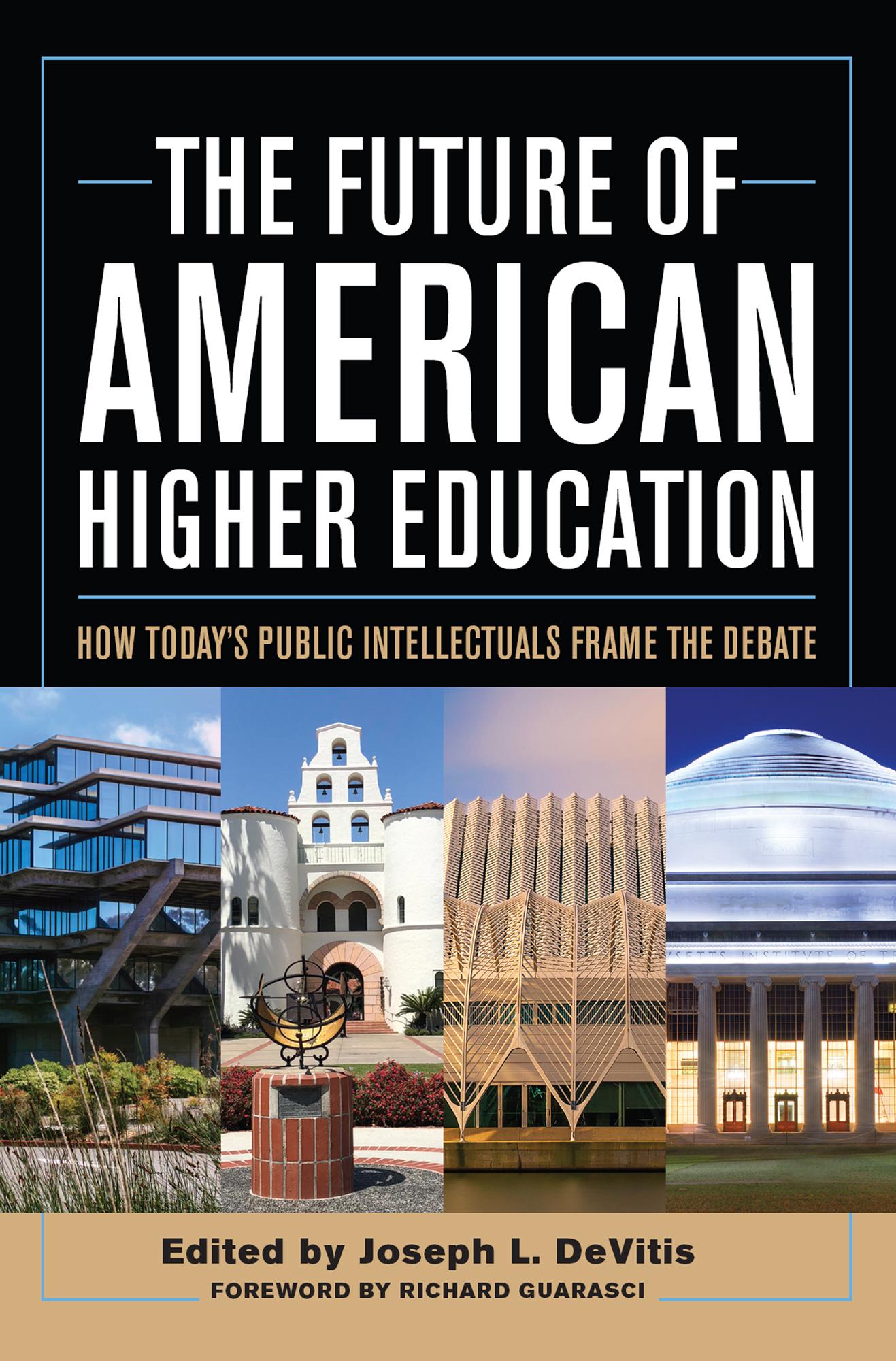
"This impressive anthology presents the reader with an introduction to a gallery of public intellectuals through the critical eyes of a wide array of contributing writers from various academic fields. Both the latter and the public intellectuals themselves are responding to the state of American higher education. Importantly, most of them (there are a few public intellectuals in the book who cling closer to the status quo) do not separate colleges and universities from the political, economic, and social currents of American society. They attack the realities of growing social inequality, the intractable presence of institutional racism, and the recurrent reliance on the free market as the arbiter of value. Public intellectuals assess the impact of these social factors on the organization and practices of contemporary American higher education. They force the reader to consider serious challenges to the current arrangement of higher learning and, as such, they ask us to assess the efficacy of their respective perspectives. Do they present the reader with insight or idealism, pathways or dead ends? This compendium provides an abundance of ideas for higher education leaders, policy makers, faculty members, trustees and governmental officials as well as social theorists and graduate students interested in higher education careers."—Richard Guarasci, President Emeritus of Wagner CollegeJust as our society is polarized, higher education is no less divided as to its mission and purpose, whether it should be preparing students for employment or for engagement as citizens, whether it should be corporatist and profit-driven or promote intellectual curiosity and independent thinking, and whether it should pursue a neoliberal agenda or promote a liberal education. Whose scholarship, culture and epistemologies should be validated? Should it be a private or a public good? Preserve tenure or erode it? What role should colleges and universities play in addressing economic inequality and systemic racism? The answers to these questions are critical for the future of our society as our universities and colleges are the nurseries of the values and philosophies that shape it.The chapters in this book review the contributions of seventeen public intellectuals who have been at the forefront of these issues and significantly contributed to these debates. Each describes the genesis of each scholar’s ideas and presents and critiques his or her core insights and arguments. The seventeen public intellectuals represent a spectrum of opinion, from the conservative to the progressive.At this pivotal moment when much of higher education is in economic crisis, and public trust in it has been eroded, this book offers a robust entry point for considering the options and directions ahead for anyone in a leadership position. The book will also be valuable for higher education courses to stimulate debate about these critical issues and introduce readers to the seminal thinkers in the field.Public Intellectuals PresentedStanley AronowitzMichael BérubéMarc BousquetPatricia Hill CollinsLori Patton DavisWilliam DeresiewiczStanley Fish Marybeth GasmanHenry GirouxSara Goldrick-RabbAmy GutmannRussell JacobyRandall KennedyDavid KirpDavid F. LabareeChristopher NewfieldMichael Roth
Before Memmo my notes were scattered across PDFs. Now a workspace pulls everything into one place — I see exactly what's still left to study.
Memmo's summaries are gold before exams. I don't have to re-read 800 pages two weeks before — just the important parts.
The AI chat has saved me the night before an exam more than once. I just keep asking until I get it — no waiting on a study group to reply.
The quizzes hit exactly what I need to know. Memmo tracks what I get stuck on — so I only practice what's worth it.
Flashcards with spaced repetition are magic. Memmo knows when I'm about to forget something and brings it back.
The AI podcasts are my favorite. I listen on my way to school and get a recap without sitting at a computer.

Handbok i kvalitativa metoder
281 kr

Hållbar utveckling: en introduktion för ingenjörer och andra problemlösare
334 kr

Brymans Samhällsvetenskapliga metoder
390 kr

Projektledning
491 kr

Den orättvisa hälsan: om socioekonomiska skillnader i hälsa och livslängd
326 kr

Organizational Leadership
429 kr

Vetenskapsteori för nybörjare
196 kr

På väg mot läraryrket
172 kr

Det sociala livet i skolan: Socialpsykologiska perspektiv
253 kr

Betygsättningens didaktik
151 kr

Personality
402 kr

Studying Leadership
404 kr

Managing Innovation
477 kr

Introduktion till samhällsvetenskaplig metod
347 kr

The Psychology of Sex and Gender
698 kr

Evidens och kunskap för socialt arbete
207 kr

Introduction to Leadership
605 kr