
Before Memmo my notes were scattered across PDFs. Now a workspace pulls everything into one place — I see exactly what's still left to study.
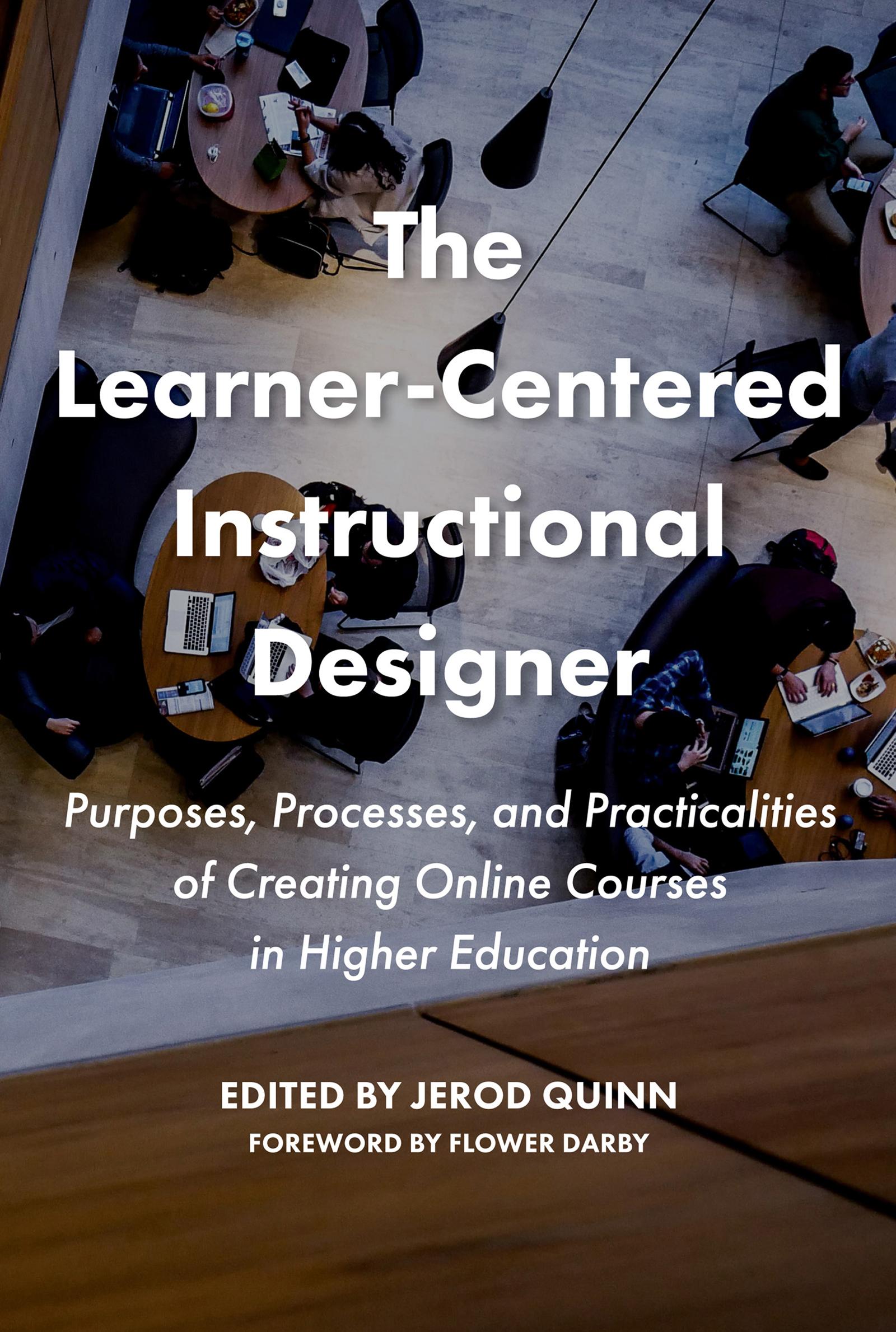
“What does a new instructional designer need to know to find her or his feet when working with faculty to create online classes?” This is a practical handbook for established and aspiring instructional designers in higher education, readers who may also be identified by such professional titles as educational developer, instructional technologist, or online learning specialist. Jerod Quinn, together with a team of experienced instructional designers who have worked extensively with a wide range of faculty on a multiplicity of online courses across all types of institutions, offer key guiding principles, insights and advice on how to develop productive and collegial partnerships with faculty to deliver courses that engage students and promote enduring learning.Designing and developing online classes for higher education takes a combination of pedagogical knowledge, the ability to build trust with faculty, familiarity with frameworks on how people learn, understanding of accessibility and inclusion, and technical skills to leverage a learning management system into an educational experience. Coming from diverse backgrounds, few instructional designers enter academia well versed in all of these aspects of creating online classes. This book provides the foundation on which instructional designers can build their careers. The guiding principle that animates this book is that the student experience and successful learning outcomes are paramount, and governs discussion of course design, pedagogy, the use of multimedia and technological advances, as well as the use of different forms of interactive exercises and group assignments. The succinct, informally written chapters offer ideas and means to apply theory to the daily work of instructional design and cover the four key components that drive this work in higher education: ·Defining the scope and main design approaches of our work·Building trust with the faculty we work with·Applying frameworks of how people learn·Mastering common online instructional practices.
Before Memmo my notes were scattered across PDFs. Now a workspace pulls everything into one place — I see exactly what's still left to study.
Memmo's summaries are gold before exams. I don't have to re-read 800 pages two weeks before — just the important parts.
The AI chat has saved me the night before an exam more than once. I just keep asking until I get it — no waiting on a study group to reply.
The quizzes hit exactly what I need to know. Memmo tracks what I get stuck on — so I only practice what's worth it.
Flashcards with spaced repetition are magic. Memmo knows when I'm about to forget something and brings it back.
The AI podcasts are my favorite. I listen on my way to school and get a recap without sitting at a computer.

Handbok i kvalitativa metoder
281 kr

Hållbar utveckling: en introduktion för ingenjörer och andra problemlösare
334 kr

Brymans Samhällsvetenskapliga metoder
390 kr

Projektledning
491 kr

Den orättvisa hälsan: om socioekonomiska skillnader i hälsa och livslängd
326 kr

Vetenskapsteori för nybörjare
196 kr

Organizational Leadership
429 kr

På väg mot läraryrket
172 kr

Det sociala livet i skolan: Socialpsykologiska perspektiv
253 kr

Betygsättningens didaktik
151 kr

Personality
402 kr

Studying Leadership
404 kr

Managing Innovation
477 kr

Introduktion till samhällsvetenskaplig metod
347 kr

The Psychology of Sex and Gender
698 kr

Evidens och kunskap för socialt arbete
207 kr

Introduction to Leadership
605 kr