
Before Memmo my notes were scattered across PDFs. Now a workspace pulls everything into one place — I see exactly what's still left to study.
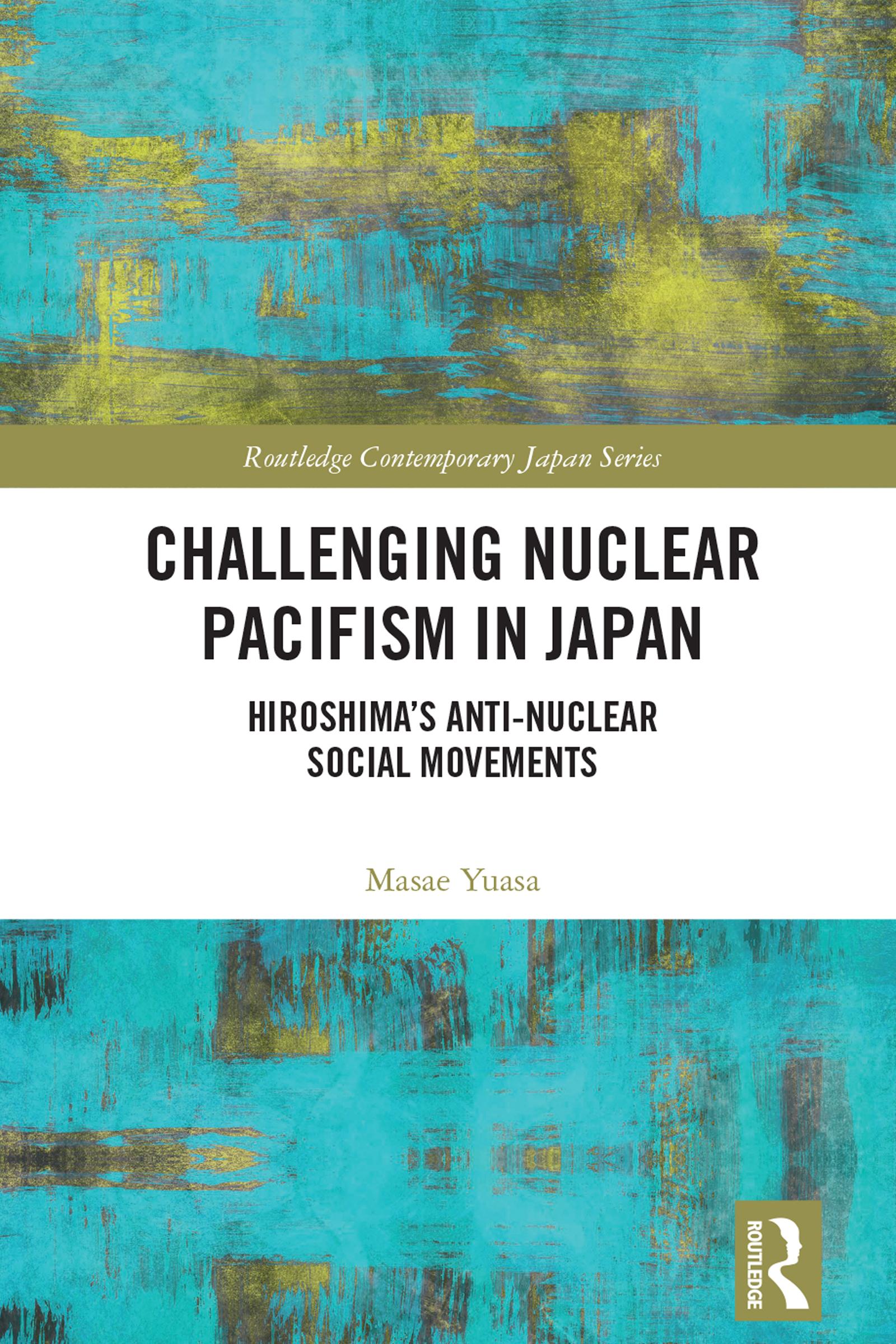
Is Japan abandoning its pacifism? The Japanese government has claimed it is doubling its defense spending and has announced a plan to equip itself with the capability to “counterattack” enemy bases overseas, a departure from the nation’s postwar consensus. Shedding new light on Japan’s pacifism and Hiroshima’s role in it, Yuasa investigates the events of postwar Japan and how it catalyzed a range of challenges to public sentiment.
Japan’s Constitution stipulates the renunciation of war and forbids using force to settle international disputes. This radical shift has been led by Fumio Kishida, the prime minister, whose constituency is Hiroshima, the atomic-bombed city symbolizing Japan’s postwar pacifism. This book is about Hiroshima’s local nuclear politics and popular consciousness about pacifism. Based on published and unpublished local documents and participant observation, it describes how postwar global and national power has formulated local politics and discusses the impact of local struggles on national and global politics. The key concept is “imaginary”. Institutionalized imaginary effectively channels people’s suppressed desires and emotions into coordinated action in the society. The current political crossroad of Hiroshima and Japan is interpreted as a terrain constructed over the last half century by three paradoxically coexisting and competing pacifist imaginaries, namely constitutional, anti-nuclear, and nuclear pacifism. They were, however, significantly destabilized by the Fukushima nuclear disaster and a newly invented “proactive pacifism”.
This book is an essential reading for scholars and students interested in Japanese postwar history and nuclear issues in general.
Before Memmo my notes were scattered across PDFs. Now a workspace pulls everything into one place — I see exactly what's still left to study.
Memmo's summaries are gold before exams. I don't have to re-read 800 pages two weeks before — just the important parts.
The AI chat has saved me the night before an exam more than once. I just keep asking until I get it — no waiting on a study group to reply.
The quizzes hit exactly what I need to know. Memmo tracks what I get stuck on — so I only practice what's worth it.
Flashcards with spaced repetition are magic. Memmo knows when I'm about to forget something and brings it back.
The AI podcasts are my favorite. I listen on my way to school and get a recap without sitting at a computer.

Handbok i kvalitativa metoder
281 kr

Hållbar utveckling: en introduktion för ingenjörer och andra problemlösare
334 kr

Brymans Samhällsvetenskapliga metoder
390 kr

Projektledning
491 kr

Den orättvisa hälsan: om socioekonomiska skillnader i hälsa och livslängd
326 kr

Vetenskapsteori för nybörjare
196 kr

Organizational Leadership
429 kr

På väg mot läraryrket
172 kr

Det sociala livet i skolan: Socialpsykologiska perspektiv
253 kr

Betygsättningens didaktik
151 kr

Personality
402 kr

Studying Leadership
404 kr

Managing Innovation
477 kr

Introduktion till samhällsvetenskaplig metod
347 kr

The Psychology of Sex and Gender
698 kr

Evidens och kunskap för socialt arbete
207 kr

Introduction to Leadership
605 kr