
Before Memmo my notes were scattered across PDFs. Now a workspace pulls everything into one place — I see exactly what's still left to study.
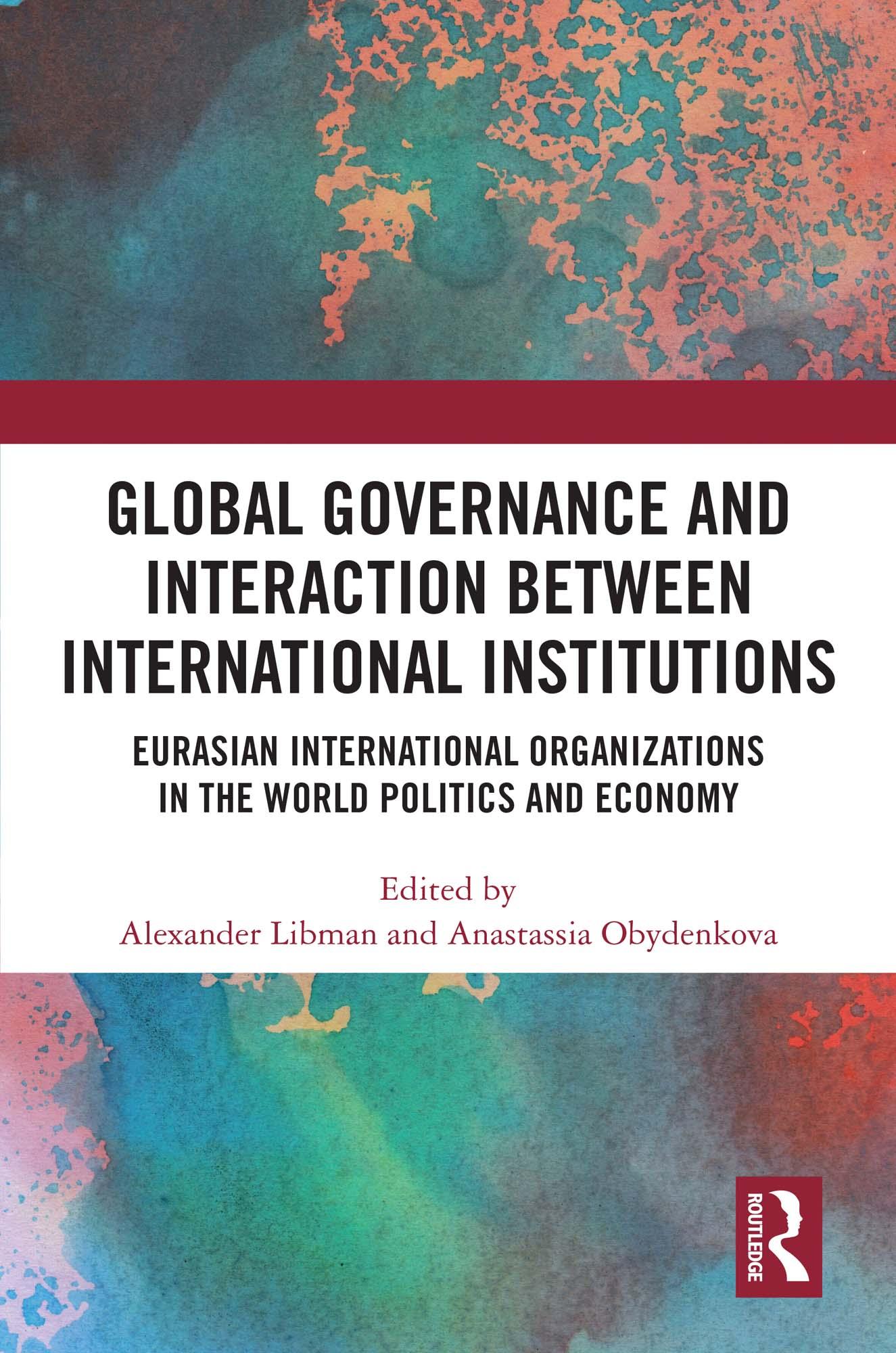
This book builds on theory of authoritarian regionalism and is the first attempt to analyse the interaction of authoritarian regional organizations in Eurasia with their global and regional counterparts (NATO, EU, WTO, IMF etc.). It analyses three decades of the development of post-Soviet regional organizations prior to the tectonic geopolitical and security changes of 2022.
Eurasian regional organizations created by Russia have been frequently perceived as attempts to establish ‘alternatives’ to the global governance institutions and to compete with other regional organizations like, for example, the European Union (EU). They are seen as a pronounced example of ‘authoritarian regionalism’, i.e., regional organizations established by non-democracies. The way they interact with global and regional institutions has, however, remained understudied. This book aims to close this gap. It places Eurasia within a global context and considers similar trends world-wide as well as outlines the agenda for future studies of global versus regional governance. The book sheds light on long-term strategies of Russia in Eurasia, in global economy and in world politics, and on the interaction between Russia and other post-Soviet states.
With an extended introduction and conclusion, this book is an insightful resource for scholars; advanced students; and researchers of politics, international relations, and Eurasian area-studies. The chapters in this book were originally published as a special issue of Post-Communist Economies.
Before Memmo my notes were scattered across PDFs. Now a workspace pulls everything into one place — I see exactly what's still left to study.
Memmo's summaries are gold before exams. I don't have to re-read 800 pages two weeks before — just the important parts.
The AI chat has saved me the night before an exam more than once. I just keep asking until I get it — no waiting on a study group to reply.
The quizzes hit exactly what I need to know. Memmo tracks what I get stuck on — so I only practice what's worth it.
Flashcards with spaced repetition are magic. Memmo knows when I'm about to forget something and brings it back.
The AI podcasts are my favorite. I listen on my way to school and get a recap without sitting at a computer.

Handbok i kvalitativa metoder
281 kr

Hållbar utveckling: en introduktion för ingenjörer och andra problemlösare
334 kr

Brymans Samhällsvetenskapliga metoder
390 kr

Projektledning
491 kr

Den orättvisa hälsan: om socioekonomiska skillnader i hälsa och livslängd
326 kr

Vetenskapsteori för nybörjare
196 kr

Organizational Leadership
429 kr

På väg mot läraryrket
172 kr

Det sociala livet i skolan: Socialpsykologiska perspektiv
253 kr

Betygsättningens didaktik
151 kr

Personality
402 kr

Studying Leadership
404 kr

Managing Innovation
477 kr

Introduktion till samhällsvetenskaplig metod
347 kr

The Psychology of Sex and Gender
698 kr

Evidens och kunskap för socialt arbete
207 kr

Introduction to Leadership
605 kr