
Before Memmo my notes were scattered across PDFs. Now a workspace pulls everything into one place — I see exactly what's still left to study.
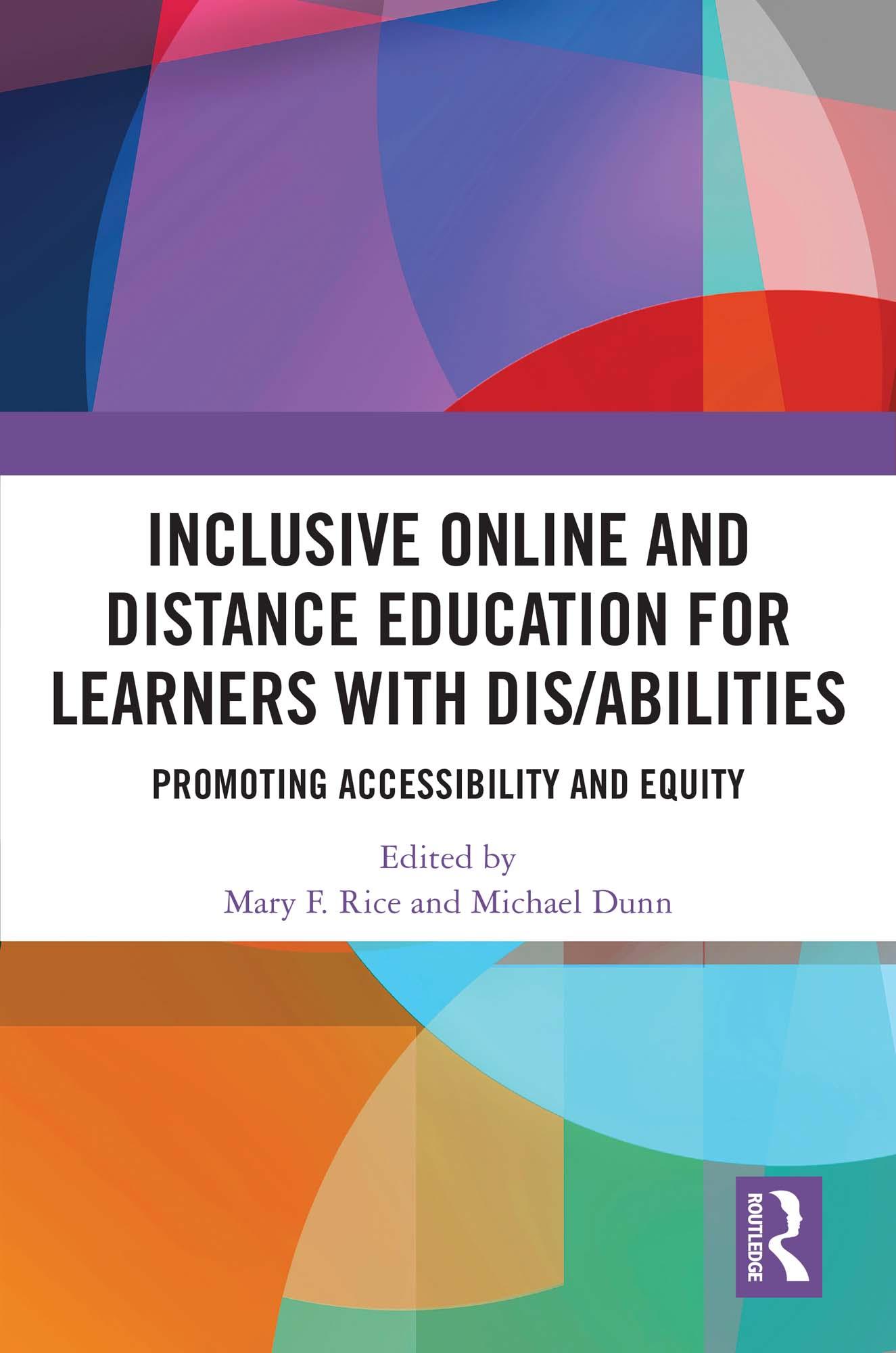
The term Inclusive Online Education has generated great interest within and across educational levels and contexts, yet practical applications of it remain elusive in many institutional settings. Chapters in this book highlight define and interrogate definitions of inclusion. The research studies reported here focus on moving the conversation about inclusive online education away from individual accommodations for which students must qualify, to models where learning experiences are designed for the success of all students and teachers—both technically and relationally.
While some authors do mention the need to know and understand the Universal Design for Learning (UDL), the authors in these chapters go beyond UDL to include understandings about historical challenges with inclusive education, emerging understandings about designing strong online instruction, and how placed-based thinking and social settings provide resources from which to draw in creating online learning environments and experiences that are not only humanized but humane. This book highlights research focused on moving the conversation about inclusion away from individual accommodations for which students must qualify to models where learning experiences are designed to address historical inequities and promote success for all students and teachers. Collectively, the chapters underscore the need to choose materials, design assessments, plan instruction, and engage with students in accordance with relational commitments to equity.
Inclusive Online and Distance Education for Learners with Dis/abilities will be a great resource for academics, researchers, and advanced students of Education, Education Policy, Educational Research, and Disability Studies in Education. The chapters included in this book were originally published as a special issue of Distance Education.
Before Memmo my notes were scattered across PDFs. Now a workspace pulls everything into one place — I see exactly what's still left to study.
Memmo's summaries are gold before exams. I don't have to re-read 800 pages two weeks before — just the important parts.
The AI chat has saved me the night before an exam more than once. I just keep asking until I get it — no waiting on a study group to reply.
The quizzes hit exactly what I need to know. Memmo tracks what I get stuck on — so I only practice what's worth it.
Flashcards with spaced repetition are magic. Memmo knows when I'm about to forget something and brings it back.
The AI podcasts are my favorite. I listen on my way to school and get a recap without sitting at a computer.

Handbok i kvalitativa metoder
281 kr

Hållbar utveckling: en introduktion för ingenjörer och andra problemlösare
334 kr

Brymans Samhällsvetenskapliga metoder
390 kr

Projektledning
491 kr

Den orättvisa hälsan: om socioekonomiska skillnader i hälsa och livslängd
326 kr

Vetenskapsteori för nybörjare
196 kr

Organizational Leadership
429 kr

På väg mot läraryrket
172 kr

Det sociala livet i skolan: Socialpsykologiska perspektiv
253 kr

Betygsättningens didaktik
151 kr

Personality
402 kr

Studying Leadership
404 kr

Managing Innovation
477 kr

Introduktion till samhällsvetenskaplig metod
347 kr

The Psychology of Sex and Gender
698 kr

Evidens och kunskap för socialt arbete
207 kr

Introduction to Leadership
605 kr