
Before Memmo my notes were scattered across PDFs. Now a workspace pulls everything into one place — I see exactly what's still left to study.
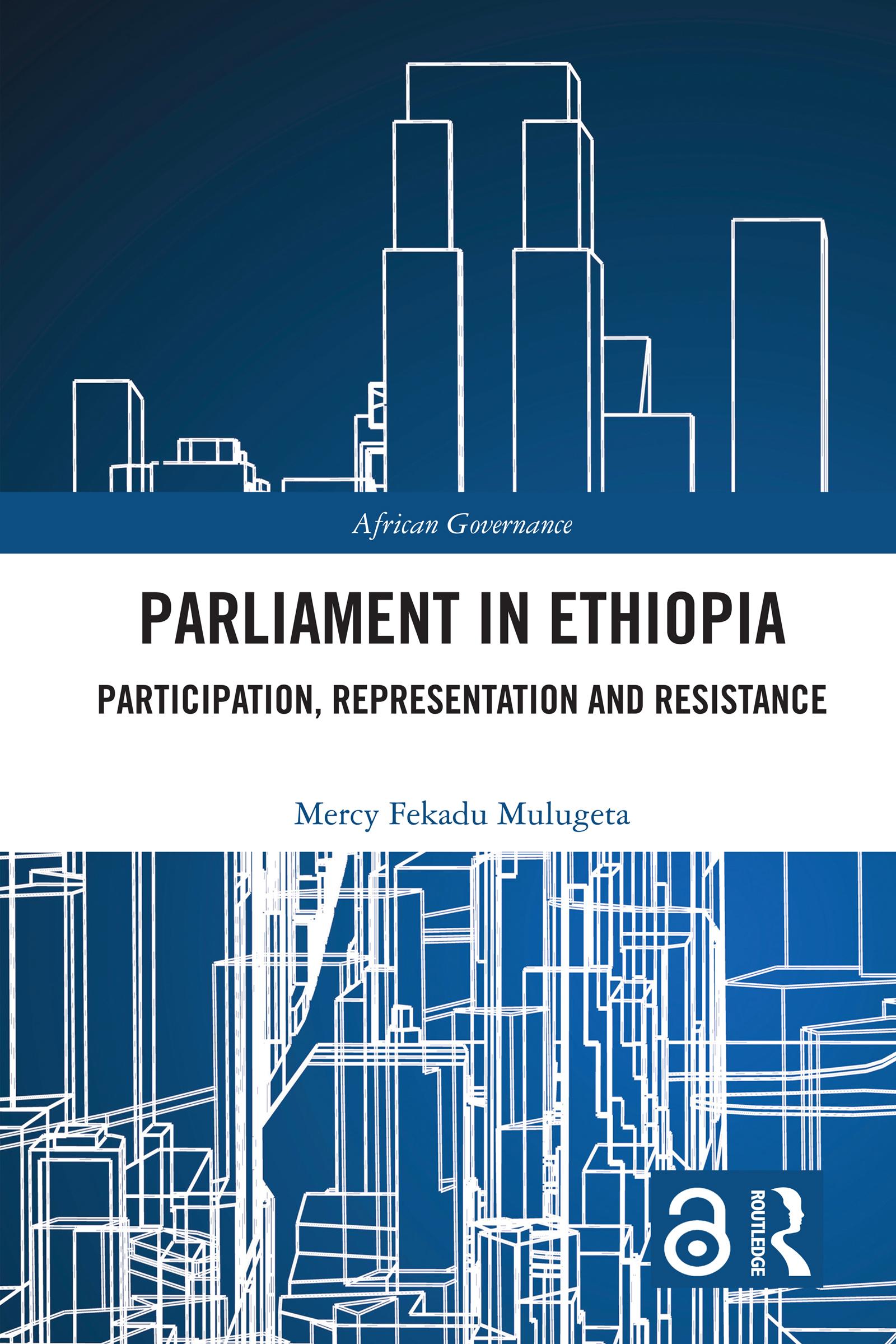
African legislatures remain understudied, yet democratisation, development and peacebuilding all depend on these key political institutions. This book provides an in-depth analysis of Ethiopia’s parliament, a country of key political and strategic importance to the whole region.
In 1931, Ethiopia’s monarchical government introduced a system of parliamentary democracy with seemingly contradictory objectives; it wanted to legitimize its rule in a changing world, and also needed to provide a respectable retirement vocation (as senators and deputies) to sections of the aristocracy it ousted from power. This paradox of recognizing the parliament as essential to modern governance yet deliberately seeking weak institutions that are unable or unwilling to challenge those in power continues to haunt the parliament to this day. Ethiopia continues to struggle to maintain political stability, and the separation of power between government and parliament and a system of checks and balances are yet to substantially flourish. Drawing on extensive original data gathered from interviews and surveys, this book investigates the legal and practical status of federal representative institutions in Ethiopia from 1931 up to and including 2021. It delves into the rules and routines of parliament, its contextually and historically grounded culture of representation, and the techniques of manoeuvring executive bureaucracies. The book also aims to understand the extent of civil dis/engagement and the perceptions and role of citizens in shaping parliament, and how the mandates and functions of individual MPs are also determined by cultural and socio-economic factors such as gender, population, inequality and conflict.
This book’s in-depth and original analysis will be of interest to researchers across African studies, politics, development, and governance.
The Open Access version of this book, available at http://www.taylorfrancis.com, has been made available under a Creative Commons Attribution-Non Commercial-No Derivatives (CC-BY-NC-ND) 4.0 license.
Before Memmo my notes were scattered across PDFs. Now a workspace pulls everything into one place — I see exactly what's still left to study.
Memmo's summaries are gold before exams. I don't have to re-read 800 pages two weeks before — just the important parts.
The AI chat has saved me the night before an exam more than once. I just keep asking until I get it — no waiting on a study group to reply.
The quizzes hit exactly what I need to know. Memmo tracks what I get stuck on — so I only practice what's worth it.
Flashcards with spaced repetition are magic. Memmo knows when I'm about to forget something and brings it back.
The AI podcasts are my favorite. I listen on my way to school and get a recap without sitting at a computer.

Handbok i kvalitativa metoder
281 kr

Hållbar utveckling: en introduktion för ingenjörer och andra problemlösare
334 kr

Brymans Samhällsvetenskapliga metoder
390 kr

Projektledning
491 kr

Den orättvisa hälsan: om socioekonomiska skillnader i hälsa och livslängd
326 kr

Vetenskapsteori för nybörjare
196 kr

Organizational Leadership
429 kr

På väg mot läraryrket
172 kr

Det sociala livet i skolan: Socialpsykologiska perspektiv
253 kr

Betygsättningens didaktik
151 kr

Personality
402 kr

Studying Leadership
404 kr

Managing Innovation
477 kr

Introduktion till samhällsvetenskaplig metod
347 kr

The Psychology of Sex and Gender
698 kr

Evidens och kunskap för socialt arbete
207 kr

Introduction to Leadership
605 kr