
Before Memmo my notes were scattered across PDFs. Now a workspace pulls everything into one place — I see exactly what's still left to study.
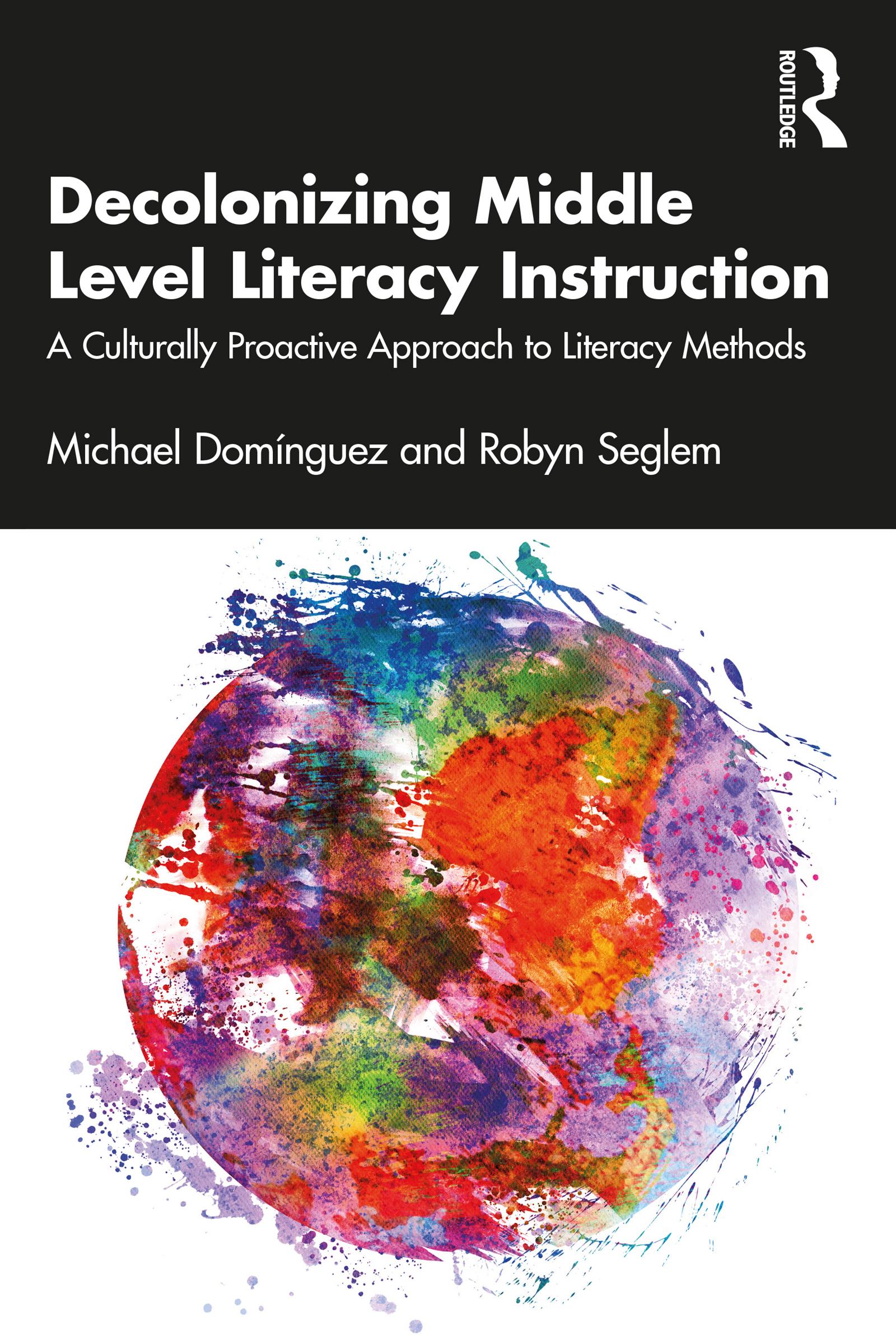
This text offers pre-service and in-service teachers pragmatic strategies for teaching middle-grades literacy in culturally proactive and sustaining ways. By demystifying big ideas and complex concepts, Domínguez and Seglem provide clear pathways and lessons for illuminating and engaging with race, ethnicity, culture, and identity in the middle-grade English Language Arts classroom. While addressing social justice, equity, diversity, and liberation can seem intimidating or unrelated to classroom practice, the authors demonstrate how weaving such questions into instruction benefits students’ development.
The guidance, strategies, and lessons in this book provide an answer to the question: What does decolonial literacy teaching look like? Concrete but not prescriptive, the authors encourage us to reconsider accepted logics of schooling, so that we can better support adolescents as they navigate complex identity landscapes. Bringing together disparate conversations around reading, writing, identity, and decolonial thinking, and specifically tailored to the middle grades, this book serves as a comprehensive toolkit for praxis and covers such topics as cultural change, community connections, and racial literacy. Each chapter features tips on reading and writing instruction, Teacher Spotlights, Planning Questions, and Additional Resources to make it easy for educators to apply the strategies to their own contexts.
An accessible entry to addressing challenging questions around identity in the classroom, this book is essential reading in courses and professional development on ELA and literacy methods as well as teaching culturally and linguistically diverse students. For teachers looking to push toward equity and reshape literacy education so that it serves all middle-grade students, Domínguez and Seglem offer plenty of accessible and motivating places to start.
Before Memmo my notes were scattered across PDFs. Now a workspace pulls everything into one place — I see exactly what's still left to study.
Memmo's summaries are gold before exams. I don't have to re-read 800 pages two weeks before — just the important parts.
The AI chat has saved me the night before an exam more than once. I just keep asking until I get it — no waiting on a study group to reply.
The quizzes hit exactly what I need to know. Memmo tracks what I get stuck on — so I only practice what's worth it.
Flashcards with spaced repetition are magic. Memmo knows when I'm about to forget something and brings it back.
The AI podcasts are my favorite. I listen on my way to school and get a recap without sitting at a computer.

Handbok i kvalitativa metoder
281 kr

Hållbar utveckling: en introduktion för ingenjörer och andra problemlösare
334 kr

Brymans Samhällsvetenskapliga metoder
390 kr

Projektledning
491 kr

Den orättvisa hälsan: om socioekonomiska skillnader i hälsa och livslängd
326 kr

Vetenskapsteori för nybörjare
196 kr

Organizational Leadership
429 kr

På väg mot läraryrket
172 kr

Det sociala livet i skolan: Socialpsykologiska perspektiv
253 kr

Betygsättningens didaktik
151 kr

Personality
402 kr

Studying Leadership
404 kr

Managing Innovation
477 kr

Introduktion till samhällsvetenskaplig metod
347 kr

The Psychology of Sex and Gender
698 kr

Evidens och kunskap för socialt arbete
207 kr

Introduction to Leadership
605 kr