
Before Memmo my notes were scattered across PDFs. Now a workspace pulls everything into one place — I see exactly what's still left to study.
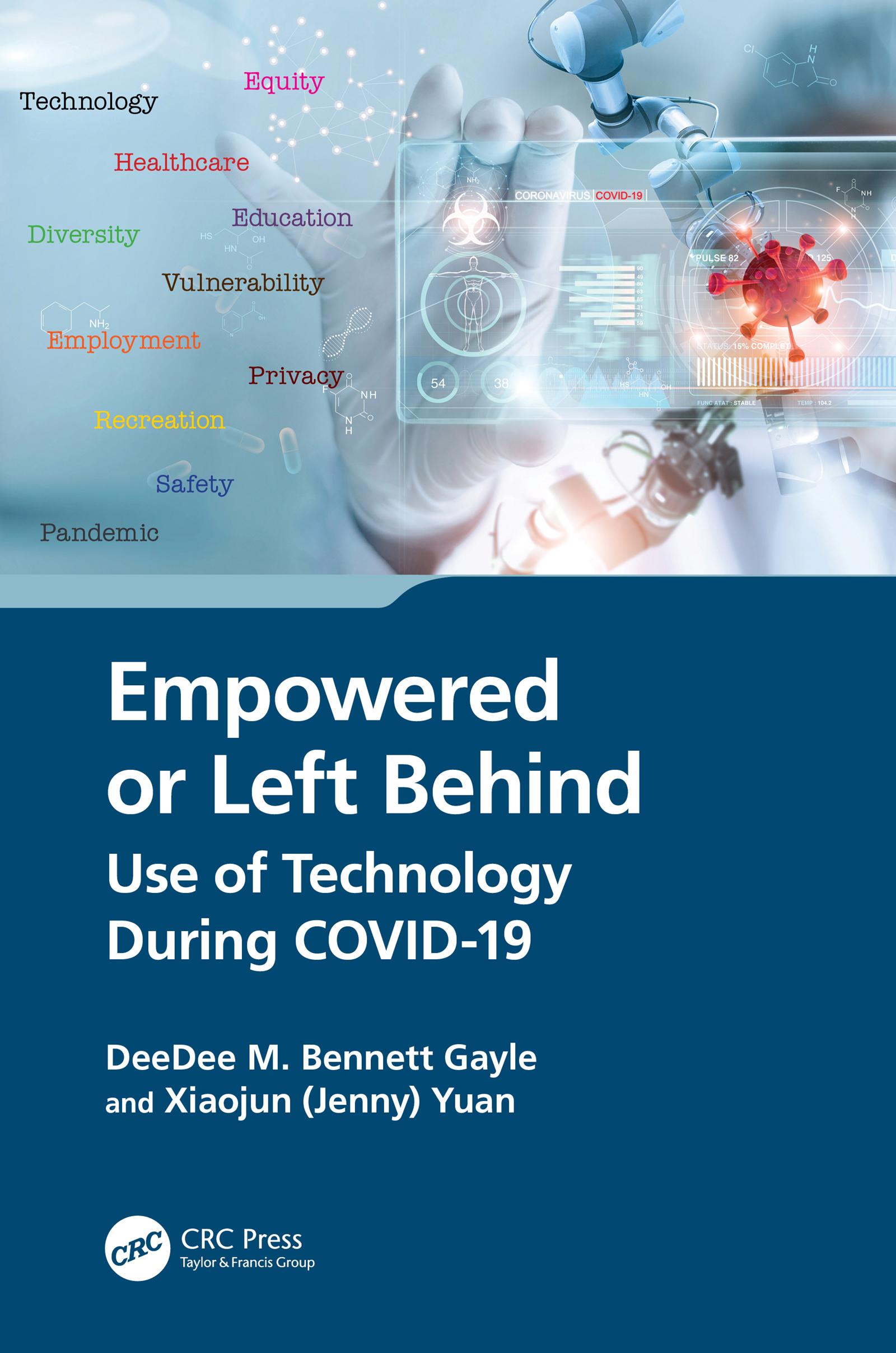
Focused on the United States, this book summarizes the secondary impacts of COVID-19 due to the increased use of technology. Establishing the global response of social distancing, mandates for non-essential business, and working from home, the book centers on the disparate guidance provided domestically at the state and local levels. Marginalized populations are highlighted to identify areas where technology facilitated access and reach or contributed to difficulties catapulted by digital literacy or digital access issues. To explain how people may have been empowered or left behind due to a new and unique reliance on technology, this book is structured based on the social determinants of health domains. Specifically, this book explains how technology was an umbrella domain that impacted every aspect of life during the pandemic including access, use, adoption, digital literacy, and digital equity, as well as privacy and security concerns. Given this book’s focus on the impacts to marginalized populations, there is a thread throughout the book related to the use of technology to perpetuate hate, discrimination, racism, and xenophobic behaviors that emerged as a twin pandemic during COVID-19. Part I explains the defining differences between primary and secondary impacts, as well as the unique guidelines adopted in each state. Part II of the book is focused on specific domains, where each chapter is dedicated to topics including economic stability through employment, education, healthcare, and the social/community context through access to services. Part III focuses on unique technological considerations related to COVID-19, such as mobile health-related apps and privacy or security issues that may have posed barriers to the adoption and use of technology. Finally, the book ends with a conclusion chapter, which explicitly explains the advantages and disadvantages of technology adoption during COVID-19. These exposed benefits and challenges will have implications for policies, disaster management practices, and interdisciplinary research.
Before Memmo my notes were scattered across PDFs. Now a workspace pulls everything into one place — I see exactly what's still left to study.
Memmo's summaries are gold before exams. I don't have to re-read 800 pages two weeks before — just the important parts.
The AI chat has saved me the night before an exam more than once. I just keep asking until I get it — no waiting on a study group to reply.
The quizzes hit exactly what I need to know. Memmo tracks what I get stuck on — so I only practice what's worth it.
Flashcards with spaced repetition are magic. Memmo knows when I'm about to forget something and brings it back.
The AI podcasts are my favorite. I listen on my way to school and get a recap without sitting at a computer.

Handbok i kvalitativa metoder
281 kr

Hållbar utveckling: en introduktion för ingenjörer och andra problemlösare
334 kr

Brymans Samhällsvetenskapliga metoder
390 kr

Projektledning
491 kr

Den orättvisa hälsan: om socioekonomiska skillnader i hälsa och livslängd
326 kr

Organizational Leadership
429 kr

Vetenskapsteori för nybörjare
196 kr

På väg mot läraryrket
172 kr

Det sociala livet i skolan: Socialpsykologiska perspektiv
253 kr

Betygsättningens didaktik
151 kr

Personality
402 kr

Studying Leadership
404 kr

Managing Innovation
477 kr

Introduktion till samhällsvetenskaplig metod
347 kr

The Psychology of Sex and Gender
698 kr

Evidens och kunskap för socialt arbete
207 kr

Introduction to Leadership
605 kr