
Before Memmo my notes were scattered across PDFs. Now a workspace pulls everything into one place — I see exactly what's still left to study.
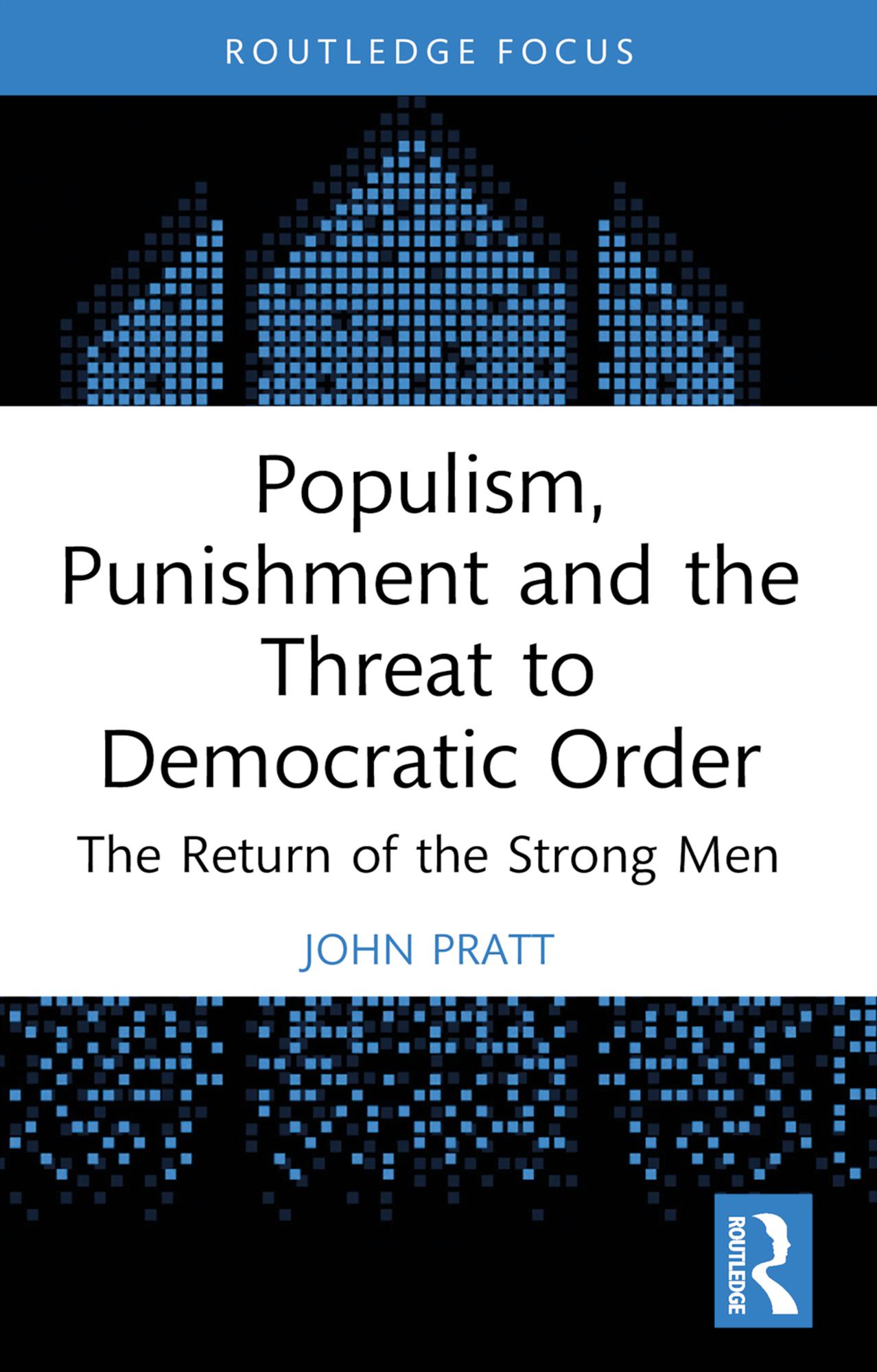
This book traces the rise of contemporary populism in Western democracies, marked by the return of would-be 'strong men' politicians. It seeks to make sense of the nature, origins, and consequences of their ascendancy—as expressed, for example, in the startling rise of the social movement surrounding Trump in the US, Brexit in the UK and the remarkable spread of ideologies that express resistance to ‘facts,’ science, and expertise.
Uniquely, the book shows how what began as a form of penal populism in the early 1990s transformed into a more wide ranging populist politics. This has had the potential to undermine or even overthrow the democratic order altogether. It examines the way in which the COVID-19 pandemic has impacted on these forces, arguing it threw the flailing democratic order an important lifeline, as Vladimir Putin has subsequently done with his war in Ukraine. The book argues that contemporary political populism can be seen as a wider manifestation of the earlier tropes and appeal of penal populism arising under neo-liberalism. The author traces this cross over and the roots of discontent, anxiety, anti-elites sentiment and the sense of being forgotten, that lie at the heart of populism, along with its effects in terms of climate denial, ‘fake news’, othering, nativism and the denigration of scientific and other forms of expertise. In a highly topical and important extension to the field the author suggests that the current COVID pandemic might prove to be an ‘antidote’ to populism, providing the conditions in which scientific and medical expertise, truth telling, government intervention in the economy and in health policy, and social solidarity, are revalorised.
Encompassing numerous subject areas and crossing many conventional disciplinary boundaries, this book will be of great interest to students and scholars of criminology and criminal justice, sociology, political science, law, and public policy.
Before Memmo my notes were scattered across PDFs. Now a workspace pulls everything into one place — I see exactly what's still left to study.
Memmo's summaries are gold before exams. I don't have to re-read 800 pages two weeks before — just the important parts.
The AI chat has saved me the night before an exam more than once. I just keep asking until I get it — no waiting on a study group to reply.
The quizzes hit exactly what I need to know. Memmo tracks what I get stuck on — so I only practice what's worth it.
Flashcards with spaced repetition are magic. Memmo knows when I'm about to forget something and brings it back.
The AI podcasts are my favorite. I listen on my way to school and get a recap without sitting at a computer.

Handbok i kvalitativa metoder
281 kr

Hållbar utveckling: en introduktion för ingenjörer och andra problemlösare
334 kr

Brymans Samhällsvetenskapliga metoder
390 kr

Projektledning
491 kr

Den orättvisa hälsan: om socioekonomiska skillnader i hälsa och livslängd
326 kr

Vetenskapsteori för nybörjare
196 kr

Organizational Leadership
429 kr

På väg mot läraryrket
172 kr

Det sociala livet i skolan: Socialpsykologiska perspektiv
253 kr

Betygsättningens didaktik
151 kr

Personality
402 kr

Studying Leadership
404 kr

Managing Innovation
477 kr

Introduktion till samhällsvetenskaplig metod
347 kr

The Psychology of Sex and Gender
698 kr

Evidens och kunskap för socialt arbete
207 kr

Introduction to Leadership
605 kr