
Before Memmo my notes were scattered across PDFs. Now a workspace pulls everything into one place — I see exactly what's still left to study.
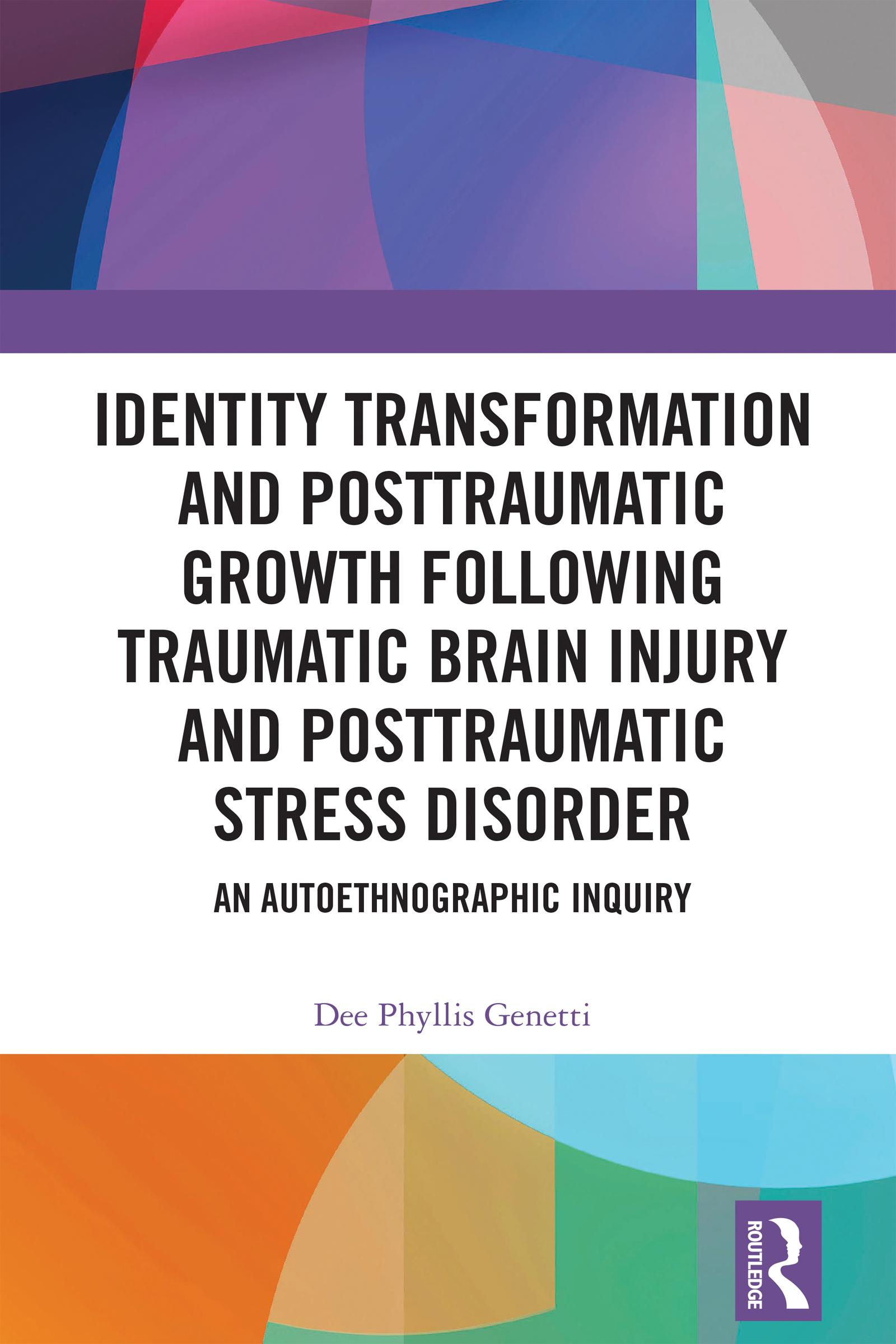
Identity Transformation and Posttraumatic Growth Following Traumatic Brain Injury and Posttraumatic Stress Disorder provides an autoethnographic qualitative study that portrays the author’s recovery from a devastating life-changing event – a car crash resulting in the hybrid diagnosis of traumatic brain injury (TBI) and posttraumatic stress disorder (PTSD), leading to posttraumatic growth (PTG) and identity transformation over a ten-year recovery period. In so doing, the text offers a comprehensive literature review on TBI, PTSD, PTG and disability culture. Throughout, the author explores whether growth (PTG) and distress (PTSD) and whether TBI and PTSD can co-exist.
Having lost her ability to read and write, the author had to learn how to learn, to heal and to have faith again. As a licensed trauma therapist and researcher, she collected self-observational data by writing her actual behaviors, thoughts and emotions in real time, both in a field and a process journal, even before she could write in full sentences. The many symptoms and co-morbidities of TBI and PTSD and the tenets of PTG are portrayed as they evolved in recovery showing the behaviors and characteristics of each. The text refers to actual journal entries, medical records and clinical notes from rehabilitation specialists, alternating between her clinical analysis and interpretation. The findings show that tragedy and suffering can lead to growth and positive change (PTG) after TBI, even though the precipitating trauma and psychological distress (PTSD) may persist for years. Changes are seen in self-perception, interpersonal relationships and philosophies of life.
This chronicled account of the author’s emergent recovery from patient to doctor is intended to benefit neuro-rehabilitation service providers (neuropsychologists, primary care physicians, speech-language pathologists) and also mental health clinicians who can see the evolution of PTG for what is now the new next step for many in PTSD recovery.
Before Memmo my notes were scattered across PDFs. Now a workspace pulls everything into one place — I see exactly what's still left to study.
Memmo's summaries are gold before exams. I don't have to re-read 800 pages two weeks before — just the important parts.
The AI chat has saved me the night before an exam more than once. I just keep asking until I get it — no waiting on a study group to reply.
The quizzes hit exactly what I need to know. Memmo tracks what I get stuck on — so I only practice what's worth it.
Flashcards with spaced repetition are magic. Memmo knows when I'm about to forget something and brings it back.
The AI podcasts are my favorite. I listen on my way to school and get a recap without sitting at a computer.

Handbok i kvalitativa metoder
281 kr

Hållbar utveckling: en introduktion för ingenjörer och andra problemlösare
334 kr

Brymans Samhällsvetenskapliga metoder
390 kr

Projektledning
491 kr

Den orättvisa hälsan: om socioekonomiska skillnader i hälsa och livslängd
326 kr

Vetenskapsteori för nybörjare
196 kr

Organizational Leadership
429 kr

På väg mot läraryrket
172 kr

Det sociala livet i skolan: Socialpsykologiska perspektiv
253 kr

Betygsättningens didaktik
151 kr

Personality
402 kr

Studying Leadership
404 kr

Managing Innovation
477 kr

Introduktion till samhällsvetenskaplig metod
347 kr

The Psychology of Sex and Gender
698 kr

Evidens och kunskap för socialt arbete
207 kr

Introduction to Leadership
605 kr