
Before Memmo my notes were scattered across PDFs. Now a workspace pulls everything into one place — I see exactly what's still left to study.
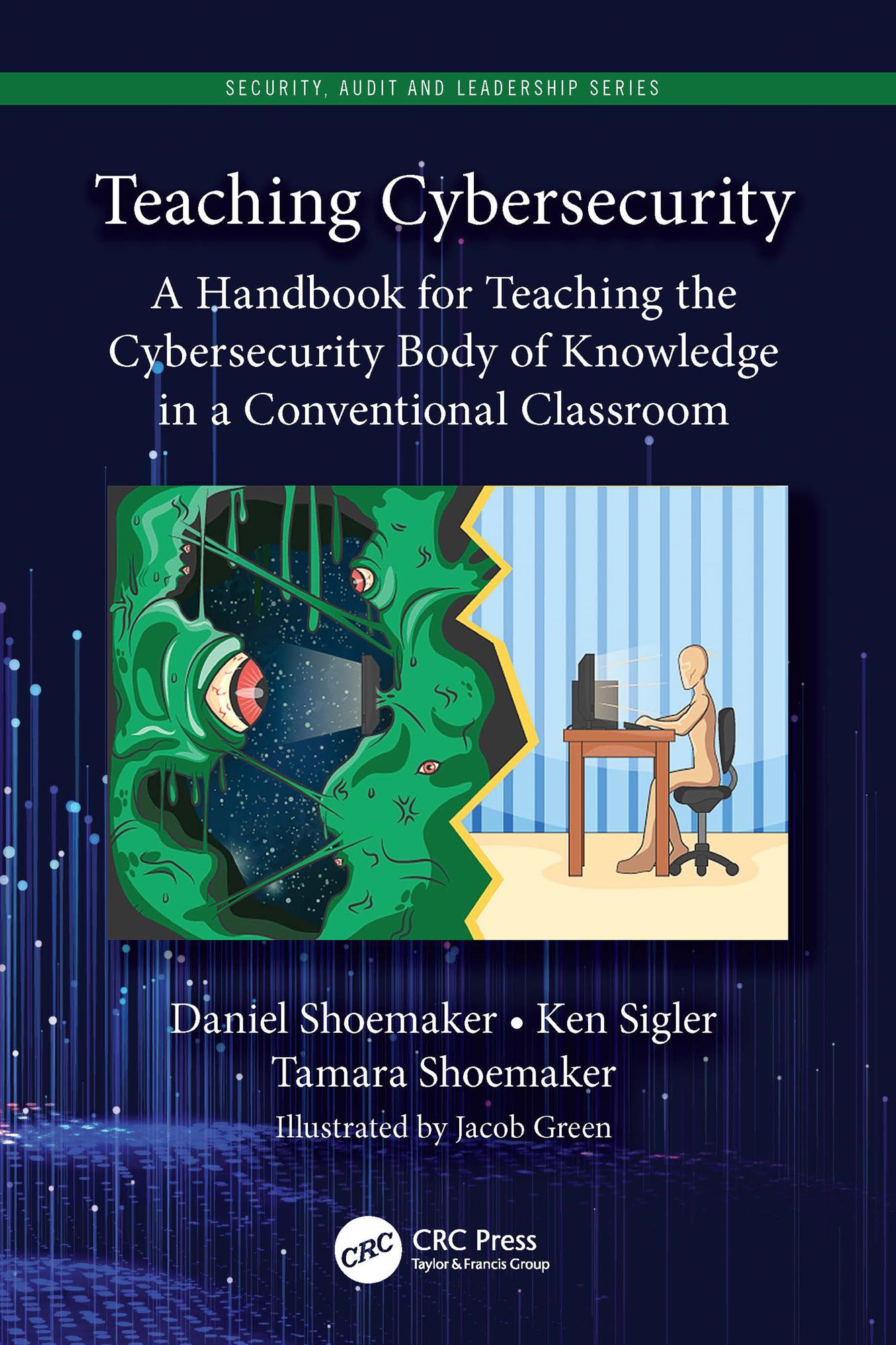
Let’s be realistic here. Ordinary K-12 educators don’t know what "cybersecurity" is and could probably care less about incorporating it into their lesson plans. Yet, teaching cybersecurity is a critical national priority. So, this book aims to cut through the usual roadblocks of confusing technical jargon and industry stovepipes and give you, the classroom teacher, a unified understanding of what must be taught. That advice is based on a single authoritative definition of the field. In 2017, the three societies that write the standards for computing, software engineering, and information systems came together to define a single model of the field of cybersecurity. It is based on eight building blocks. That definition is presented here. However, we also understand that secondary school teachers are not experts in arcane subjects like software, component, human, or societal security. Therefore, this book explains cybersecurity through a simple story rather than diving into execution details. Tom, a high school teacher, and Lucy, a middle school teacher, are tasked by their district to develop a cybersecurity course for students in their respective schools. They are aided in this by "the Doc," an odd fellow but an expert in the field. Together they work their way through the content of each topic area, helping each other to understand what the student at each level in the educational process has to learn. The explanations are simple, easy to understand, and geared toward the teaching aspect rather than the actual performance of cybersecurity work. Each chapter is a self-contained explanation of the cybersecurity content in that area geared to teaching both middle and high school audiences. The eight component areas are standalone in that they can be taught separately. But the real value lies in the comprehensive but easy-to-understand picture that the reader will get of a complicated field.
Before Memmo my notes were scattered across PDFs. Now a workspace pulls everything into one place — I see exactly what's still left to study.
Memmo's summaries are gold before exams. I don't have to re-read 800 pages two weeks before — just the important parts.
The AI chat has saved me the night before an exam more than once. I just keep asking until I get it — no waiting on a study group to reply.
The quizzes hit exactly what I need to know. Memmo tracks what I get stuck on — so I only practice what's worth it.
Flashcards with spaced repetition are magic. Memmo knows when I'm about to forget something and brings it back.
The AI podcasts are my favorite. I listen on my way to school and get a recap without sitting at a computer.

Handbok i kvalitativa metoder
281 kr

Hållbar utveckling: en introduktion för ingenjörer och andra problemlösare
334 kr

Brymans Samhällsvetenskapliga metoder
390 kr

Projektledning
491 kr

Den orättvisa hälsan: om socioekonomiska skillnader i hälsa och livslängd
326 kr

Organizational Leadership
429 kr

Vetenskapsteori för nybörjare
196 kr

På väg mot läraryrket
172 kr

Det sociala livet i skolan: Socialpsykologiska perspektiv
253 kr

Betygsättningens didaktik
151 kr

Personality
402 kr

Studying Leadership
404 kr

Managing Innovation
477 kr

Introduktion till samhällsvetenskaplig metod
347 kr

The Psychology of Sex and Gender
698 kr

Evidens och kunskap för socialt arbete
207 kr

Introduction to Leadership
605 kr