
Before Memmo my notes were scattered across PDFs. Now a workspace pulls everything into one place — I see exactly what's still left to study.
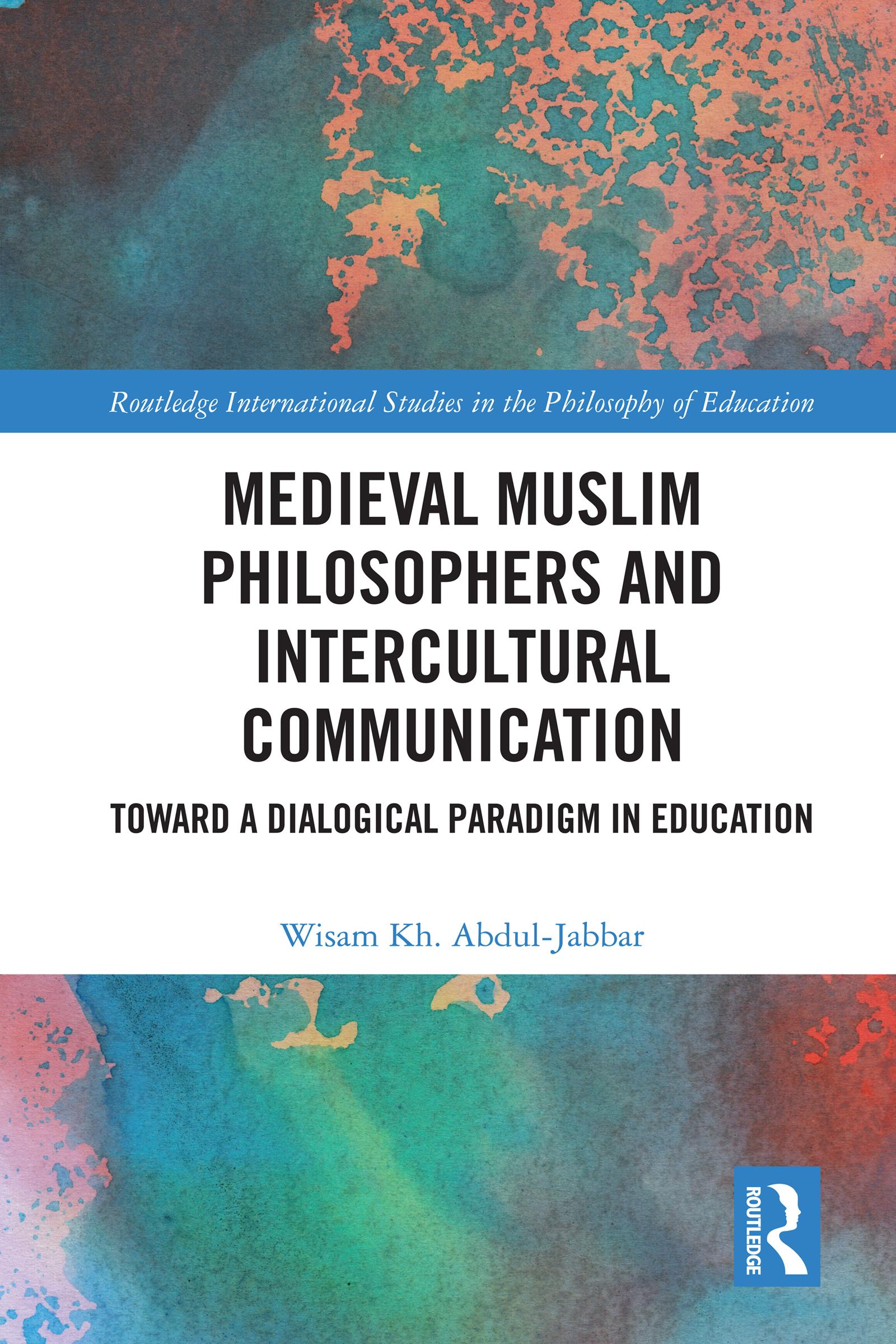
This book examines the works of Medieval Muslim philosophers interested in intercultural encounters and how receptive Islam is to foreign thought, to serve as a dialogical model, grounded in intercultural communications, for Islamic and Arabic education. The philosophers studied in this project were instructors, tutors, or teachers, such as Al-Kindi, Al-Farabi, Al-Ghazali, and Averroes, whose philosophical contributions directly or indirectly advanced intercultural learning.
The book describes and provides examples of how each of these philosophers engaged with intercultural encounters, and asks how their philosophies can contribute to infusing intercultural ethics and practices into curriculum theorizing. First, it explores selected works of medieval Muslim philosophers from an intercultural perspective to formulate a dialogical paradigm that informs and enriches Muslim education. Second, it frames intercultural education as a catalyst to guide Muslim communities’ interactions and identity construction, encouraging flexibility, tolerance, deliberation, and plurality. Third, it bridges the gap between medieval tradition and modern thought by promoting interdisciplinary connections and redrawing intercultural boundaries outside disciplinary limits. This study demonstrates that the dialogical domain that guides intercultural contact becomes a curriculum-oriented structure with Al-Kindi, a tripartite pedagogical model with Al-Fārābī, a sojourner experience with Al-Ghazali, and a deliberative pedagogy of alternatives with Averroes. Therefore, the book speaks to readers interested in the potential of dialogue in education, intercultural communication, and Islamic thought research.
Crucially bridging the gap between medieval tradition and modern thought by promoting interdisciplinary connections and redrawing intercultural boundaries outside disciplinary limits, it will speak to readers interested in the dialogue between education, intercultural communication, and Islamic thought.
.
Before Memmo my notes were scattered across PDFs. Now a workspace pulls everything into one place — I see exactly what's still left to study.
Memmo's summaries are gold before exams. I don't have to re-read 800 pages two weeks before — just the important parts.
The AI chat has saved me the night before an exam more than once. I just keep asking until I get it — no waiting on a study group to reply.
The quizzes hit exactly what I need to know. Memmo tracks what I get stuck on — so I only practice what's worth it.
Flashcards with spaced repetition are magic. Memmo knows when I'm about to forget something and brings it back.
The AI podcasts are my favorite. I listen on my way to school and get a recap without sitting at a computer.

Handbok i kvalitativa metoder
281 kr

Hållbar utveckling: en introduktion för ingenjörer och andra problemlösare
334 kr

Brymans Samhällsvetenskapliga metoder
390 kr

Projektledning
491 kr

Den orättvisa hälsan: om socioekonomiska skillnader i hälsa och livslängd
326 kr

Organizational Leadership
429 kr

Vetenskapsteori för nybörjare
196 kr

På väg mot läraryrket
172 kr

Det sociala livet i skolan: Socialpsykologiska perspektiv
253 kr

Betygsättningens didaktik
151 kr

Personality
402 kr

Studying Leadership
404 kr

Managing Innovation
477 kr

Introduktion till samhällsvetenskaplig metod
347 kr

The Psychology of Sex and Gender
698 kr

Evidens och kunskap för socialt arbete
207 kr

Introduction to Leadership
605 kr