
Before Memmo my notes were scattered across PDFs. Now a workspace pulls everything into one place — I see exactly what's still left to study.
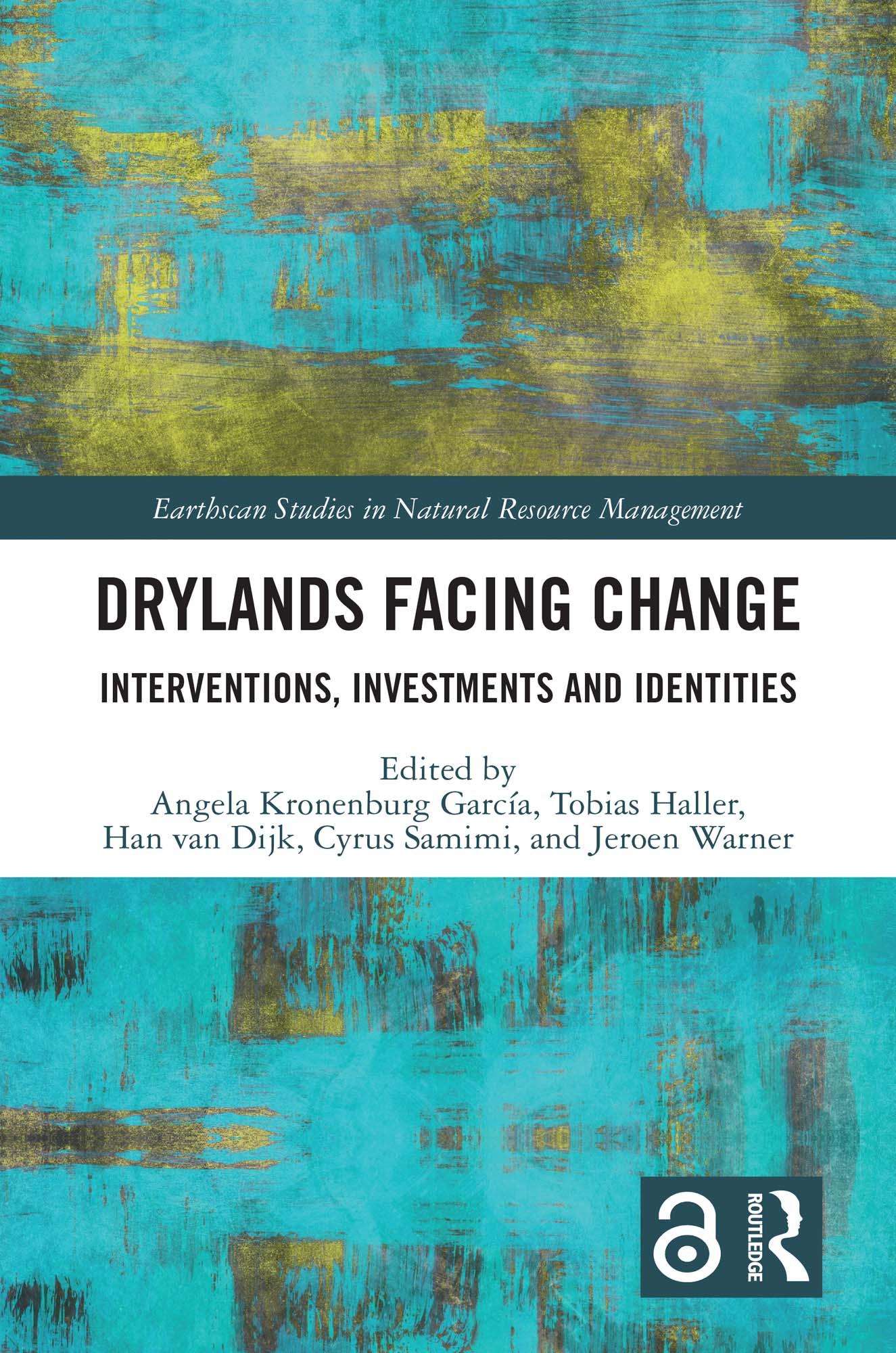
This edited volume examines the changes that arise from the entanglement of global interests and narratives with the local struggles that have always existed in the drylands of Africa, the Middle East, and Central Asia/Inner Asia.
Changes in drylands are happening in an overwhelming manner. Climate change, growing political instability, and increasing enclosures of large expanses of often common land are some of the changes with far-reaching consequences for those who make their living in the drylands. At the same time, powerful narratives about the drylands as ‘wastelands’ and their ‘backward’ inhabitants continue to hold sway, legitimizing interventions for development, security, and conservation, informing re-emerging frontiers of investment (for agriculture, extraction, infrastructure), and shaping new dryland identities. The chapters in this volume discuss the politics of change triggered by forces as diverse as the global land and resource rush, the expansion of new Information and Communication Technologies, urbanization, the COVID-19 pandemic, and the spread of violent extremism. While recognizing that changes are co-produced by differently positioned actors from within and outside the drylands, this volume presents the dryland’s point of view. It therefore takes the views, experiences, and agencies of dryland dwellers as the point of departure to not only understand the changes that are transforming their lives, livelihoods, and future aspirations, but also to highlight the unexpected spaces of contestation and innovation that have hitherto remained understudied.
This edited volume will be of much interest to students, researchers, and scholars of natural resource management, land and resource grabbing, political ecology, sustainable development, and drylands in general.
The Open Access version of this book, available at www.taylorfrancis.com, has been made available under a Creative Commons Attribution-Non Commercial-No Derivatives 4.0 license.
Before Memmo my notes were scattered across PDFs. Now a workspace pulls everything into one place — I see exactly what's still left to study.
Memmo's summaries are gold before exams. I don't have to re-read 800 pages two weeks before — just the important parts.
The AI chat has saved me the night before an exam more than once. I just keep asking until I get it — no waiting on a study group to reply.
The quizzes hit exactly what I need to know. Memmo tracks what I get stuck on — so I only practice what's worth it.
Flashcards with spaced repetition are magic. Memmo knows when I'm about to forget something and brings it back.
The AI podcasts are my favorite. I listen on my way to school and get a recap without sitting at a computer.

Handbok i kvalitativa metoder
281 kr

Hållbar utveckling: en introduktion för ingenjörer och andra problemlösare
334 kr

Brymans Samhällsvetenskapliga metoder
390 kr

Projektledning
491 kr

Den orättvisa hälsan: om socioekonomiska skillnader i hälsa och livslängd
326 kr

Organizational Leadership
429 kr

Vetenskapsteori för nybörjare
196 kr

På väg mot läraryrket
172 kr

Det sociala livet i skolan: Socialpsykologiska perspektiv
253 kr

Betygsättningens didaktik
151 kr

Personality
402 kr

Studying Leadership
404 kr

Managing Innovation
477 kr

Introduktion till samhällsvetenskaplig metod
347 kr

The Psychology of Sex and Gender
698 kr

Evidens och kunskap för socialt arbete
207 kr

Introduction to Leadership
605 kr