
Before Memmo my notes were scattered across PDFs. Now a workspace pulls everything into one place — I see exactly what's still left to study.
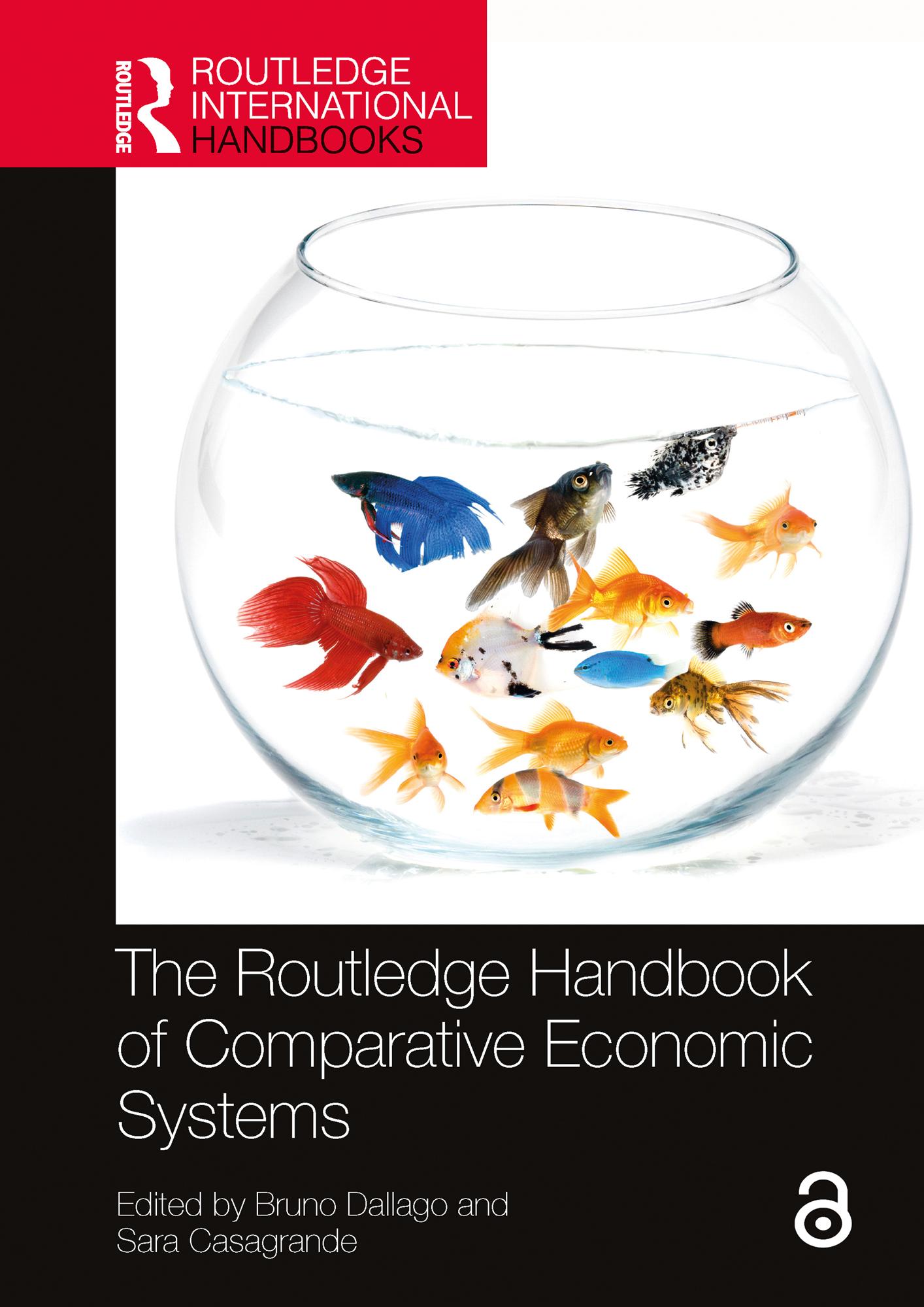
The Routledge Handbook of Comparative Economic Systems examines the institutional bases of economies, and the different ways in which economic activity can function, be organized and governed. It examines the complexity of this academic and research field, assessing the place of comparative economic studies within economics, paying due attention to future perspectives, and presenting critically important questions, analytical methods and relative approaches. This complements the recent revival of the systemic view of economic governance, which was accelerated by the COVID-19 pandemic and likely even more the renewed East-West clash epitomized by the Russian invasion of Ukraine and the West’s reaction to it.
The Handbook is divided into five parts. Each part deals with an issue of relevance for the discipline. The first and second parts look at the subject, content and approach of the discipline and its comparative method. The third part looks at the idiosyncratic nature of different economic systems and their constituent elements. The fourth part considers the outcomes that different economic systems generate and how these outcomes change following the evolution and transformation of economic systems. The last part takes stock and looks ahead at the challenges, from a theoretical and applied perspective, and the exogenous and endogenous factors promoting the advancement of the discipline, including the interaction between and competition among varied approaches and opposing paradigms.
The Handbook brings together leading international contributors to reflect on the relevant debates and case or country studies, provides a balanced overview of the results achieved and current knowledge, as well as evolving issues and new fields of research. The book provides researchers, students and analysts with a complete, critical and forward-looking presentation and analysis of the content, development, challenges and perspectives of comparative economic studies.
Chapters 4 and 22 of this book are available for free in PDF format as Open Access from the individual product page at www.routledge.com. Chapter 4 has been made available under a Creative Commons Attribution 4.0 license and Chapter 22 has been made available under a Creative Commons Attribution-Non Commercial-No Derivatives 4.0 license.
Before Memmo my notes were scattered across PDFs. Now a workspace pulls everything into one place — I see exactly what's still left to study.
Memmo's summaries are gold before exams. I don't have to re-read 800 pages two weeks before — just the important parts.
The AI chat has saved me the night before an exam more than once. I just keep asking until I get it — no waiting on a study group to reply.
The quizzes hit exactly what I need to know. Memmo tracks what I get stuck on — so I only practice what's worth it.
Flashcards with spaced repetition are magic. Memmo knows when I'm about to forget something and brings it back.
The AI podcasts are my favorite. I listen on my way to school and get a recap without sitting at a computer.

Handbok i kvalitativa metoder
281 kr

Hållbar utveckling: en introduktion för ingenjörer och andra problemlösare
334 kr

Brymans Samhällsvetenskapliga metoder
390 kr

Projektledning
491 kr

Den orättvisa hälsan: om socioekonomiska skillnader i hälsa och livslängd
326 kr

Vetenskapsteori för nybörjare
196 kr

Organizational Leadership
429 kr

På väg mot läraryrket
172 kr

Det sociala livet i skolan: Socialpsykologiska perspektiv
253 kr

Betygsättningens didaktik
151 kr

Personality
402 kr

Studying Leadership
404 kr

Managing Innovation
477 kr

Introduktion till samhällsvetenskaplig metod
347 kr

The Psychology of Sex and Gender
698 kr

Evidens och kunskap för socialt arbete
207 kr

Introduction to Leadership
605 kr