
Before Memmo my notes were scattered across PDFs. Now a workspace pulls everything into one place — I see exactly what's still left to study.
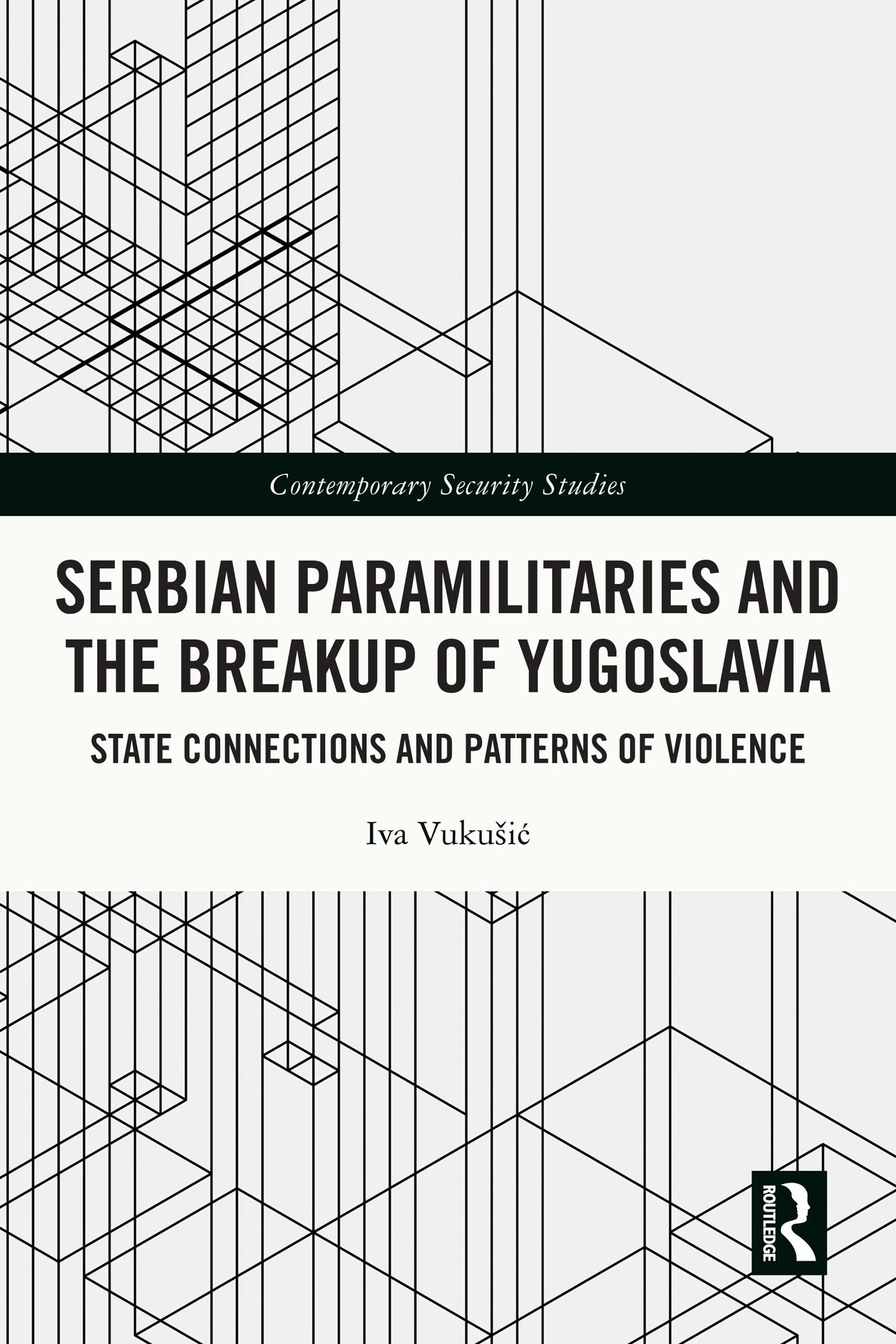
This is the first book to offer a comprehensive analysis of the emergence, nature, and function of Serbian paramilitary units during the violent breakup of Yugoslavia.
The book investigates the nature and functions of paramilitary units throughout the 1990s, and their ties to the state and President Slobodan Milošević. The work relies on the archives of the International Criminal Tribunal for the former Yugoslavia in The Hague, which conducted dozens of trials relating to paramilitary violence, and records from judicial proceedings in the region. It discusses how and why certain important paramilitary units emerged, how they functioned and transformed through the decade, what their relationships and entanglements were with the state, the Milošević regime, and organized crime. The study thus investigates the interrelated ideological, political, and social factors and processes, fueling paramilitary engagement, and assesses the impact of this engagement on victims of paramilitary violence and on the state and society for which the units purportedly fought. It argues that coordinated action by a number of state institutions gave rise to paramilitaries tasked with altering borders while maintaining plausible deniability for the sponsoring regime. The outsourcing of violence by the state to paramilitaries led to a significant weakening of the very state these units and their sponsors swore to protect. The book also analyzes differences between the units and how they attacked civilians, arguing that the different forms of violence stemmed not only from the function they fulfilled for the state but also the ways in which they were set up and operated. The final chapter brings the different strands of the argument together into a coherent whole, suggesting avenues for further research, in the former Yugoslavia and beyond.
This book will be of much interest to students of ethnic conflict and civil war, war crimes, Balkan politics, and International Relations in general.
Before Memmo my notes were scattered across PDFs. Now a workspace pulls everything into one place — I see exactly what's still left to study.
Memmo's summaries are gold before exams. I don't have to re-read 800 pages two weeks before — just the important parts.
The AI chat has saved me the night before an exam more than once. I just keep asking until I get it — no waiting on a study group to reply.
The quizzes hit exactly what I need to know. Memmo tracks what I get stuck on — so I only practice what's worth it.
Flashcards with spaced repetition are magic. Memmo knows when I'm about to forget something and brings it back.
The AI podcasts are my favorite. I listen on my way to school and get a recap without sitting at a computer.

Handbok i kvalitativa metoder
281 kr

Hållbar utveckling: en introduktion för ingenjörer och andra problemlösare
334 kr

Brymans Samhällsvetenskapliga metoder
390 kr

Projektledning
491 kr

Den orättvisa hälsan: om socioekonomiska skillnader i hälsa och livslängd
326 kr

Vetenskapsteori för nybörjare
196 kr

Organizational Leadership
429 kr

På väg mot läraryrket
172 kr

Det sociala livet i skolan: Socialpsykologiska perspektiv
253 kr

Betygsättningens didaktik
151 kr

Personality
402 kr

Studying Leadership
404 kr

Managing Innovation
477 kr

Introduktion till samhällsvetenskaplig metod
347 kr

The Psychology of Sex and Gender
698 kr

Evidens och kunskap för socialt arbete
207 kr

Introduction to Leadership
605 kr